Gravimetric Quantification
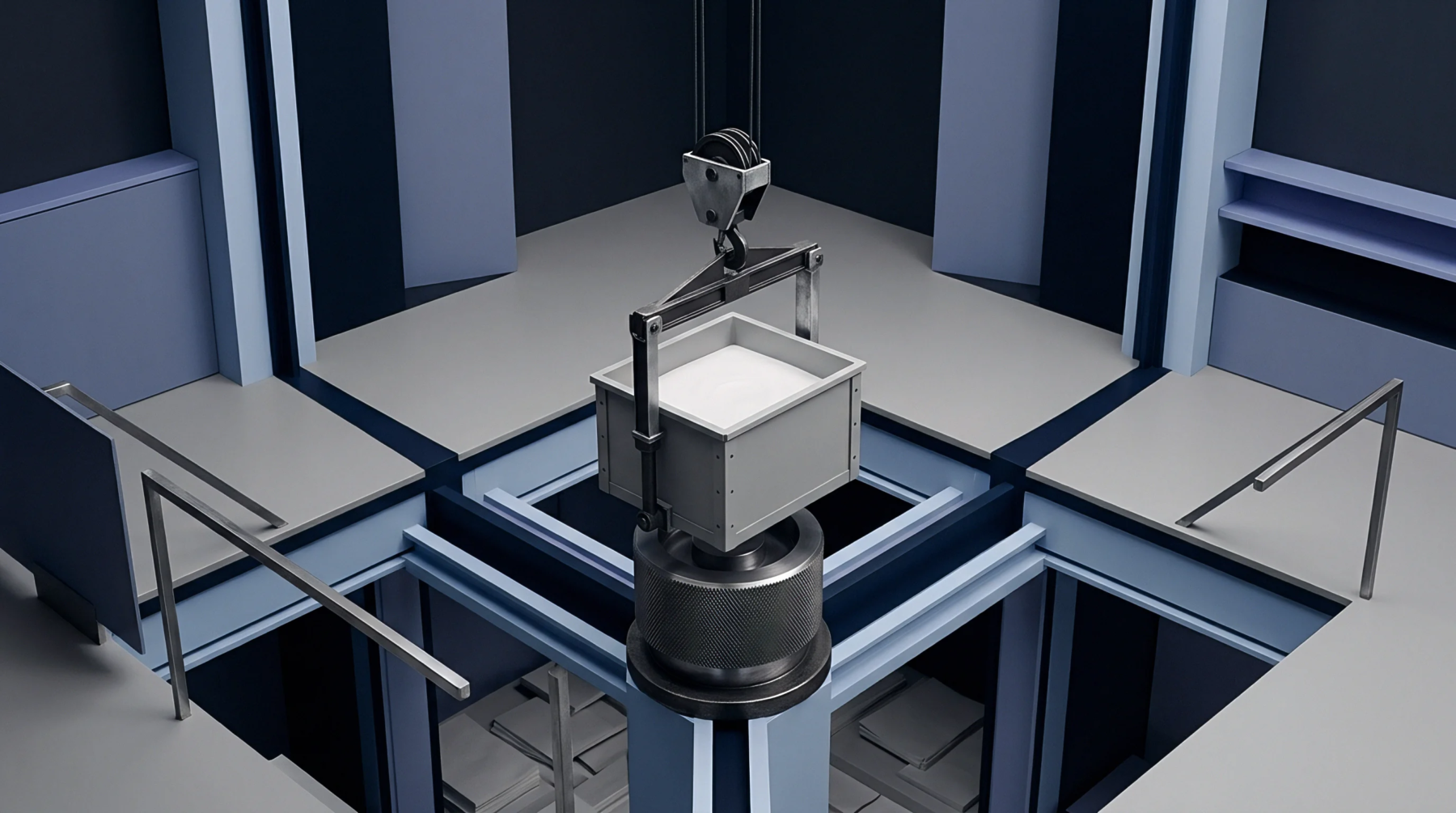
Analytical determination of the non-combustible mineral residue in paper or board provides a measure of inorganic fillers and coating pigments. During ash content analysis, a test specimen undergoes complete combustion in a muffle furnace at temperatures between five hundred and nine hundred degrees Celsius depending on the specific standard applied. The organic pulp fibers burn away to leave a stable ash residue that represents the non-combustible mineral fraction.
High precision weighing of the crucible before and after heating establishes the percentage of inorganic material present in the original sample. This fraction must be calculated with extreme care to prevent error from volatile coating binders.
Mineral Composition
Fillers and coatings determine the opacity and surface smoothness of the finished substrate. In papers destined for high-speed printing, ash content analysis monitors the ratio of calcium carbonate and kaolin clay added to the fiber slurry. Excessive loading impairs paper strength, whilst insufficient loading reduces sheet opacity.
This measurement must be controlled within narrow tolerances to maintain consistent ink absorption during lithographic print runs.
Structural Implication
Paperboard structural integrity depends heavily on the ratio of mineral fillers to cellulose fibers. High mineral levels weaken the internal bonding strength of the sheet. When ash content analysis indicates an over-concentration of inorganic filler, the risk of sheet breaks on high-speed packaging lines rises.
Production mills adjust starch addition rates to compensate for these strength losses.