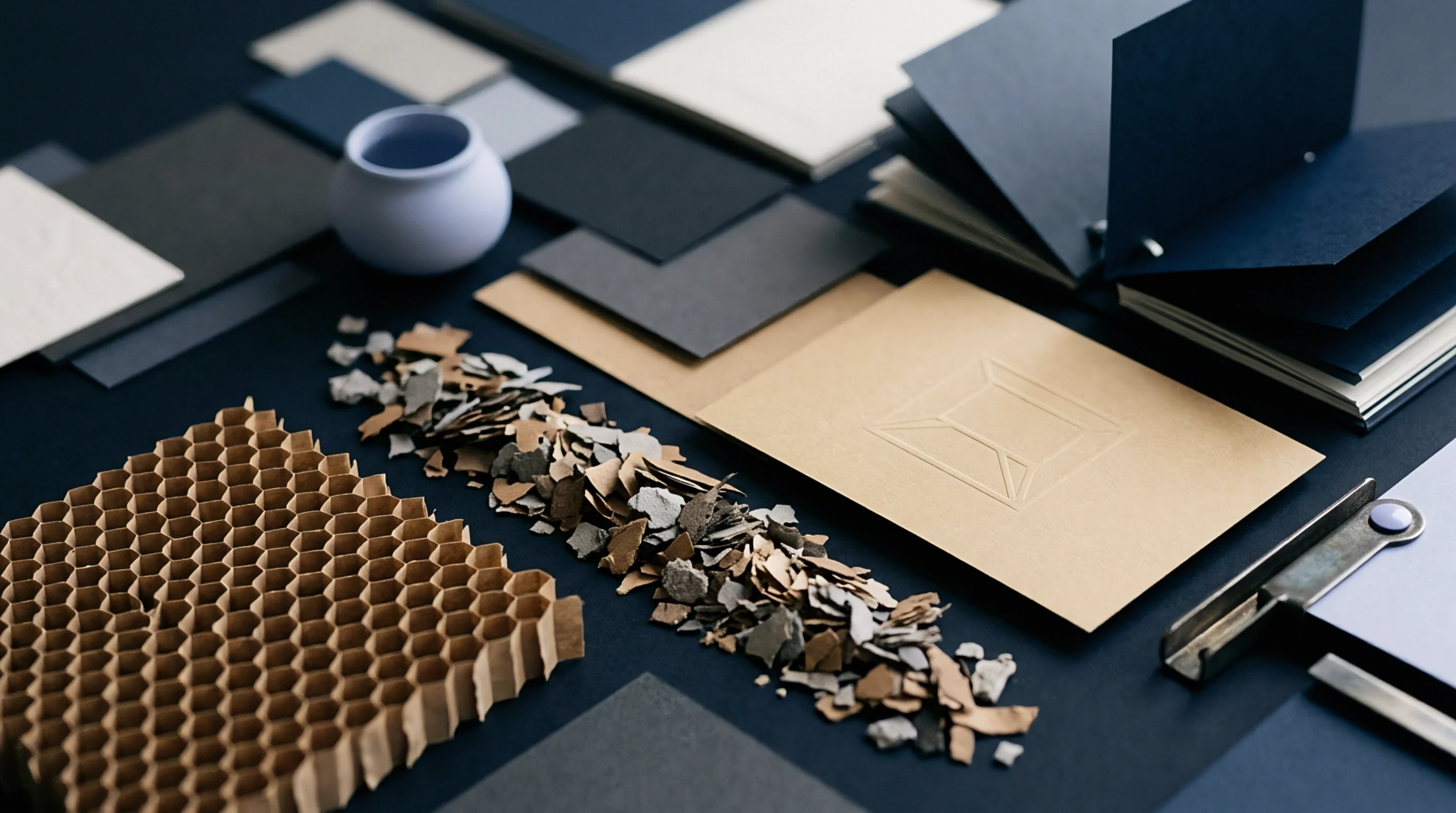
Surface Geometry
Engraved metal plates transfer physical relief onto paper substrates through the application of pressure and heat. Brass embossing dies provide the high thermal conductivity and hardness required to deform cellulose fibres without fracturing the surface coating. These components withstand significant compression forces during long production runs where consistency of depth remains the primary objective.
Operators mount the tool into a heated press bed to ensure uniform distribution of force across the design. The choice of alloy density determines the longevity of the tool under recurring mechanical stress.
Material Tolerance
Thermal expansion rates of the metal affect the accuracy of the final registration on the package. Precision machining of these brass embossing dies allows for sharp edges that maintain legibility during high speed converting operations. Milling machines carve the desired relief patterns based on vector input files provided by the design house.
A tool that carries microscopic burrs or uneven wear will produce inconsistent results on sensitive stocks. Quality control protocols evaluate the height of the peaks to confirm that the equipment meets project specifications.
Tooling Longevity
Maintenance of the die face involves chemical cleaning to prevent the accumulation of residual foil or coating particles. Hardened brass alloys offer extended service life in automated lines compared to polymer alternatives because the material resists deformation under repetitive impact. Constant lubrication and temperature monitoring preserve the integrity of the engraving over thousands of cycles.
Frequent heating and cooling phases eventually cause micro fractures in the metal structure. Effective heat management protects the substrate surface from scorching while achieving the desired texture intensity.