Surface Shear
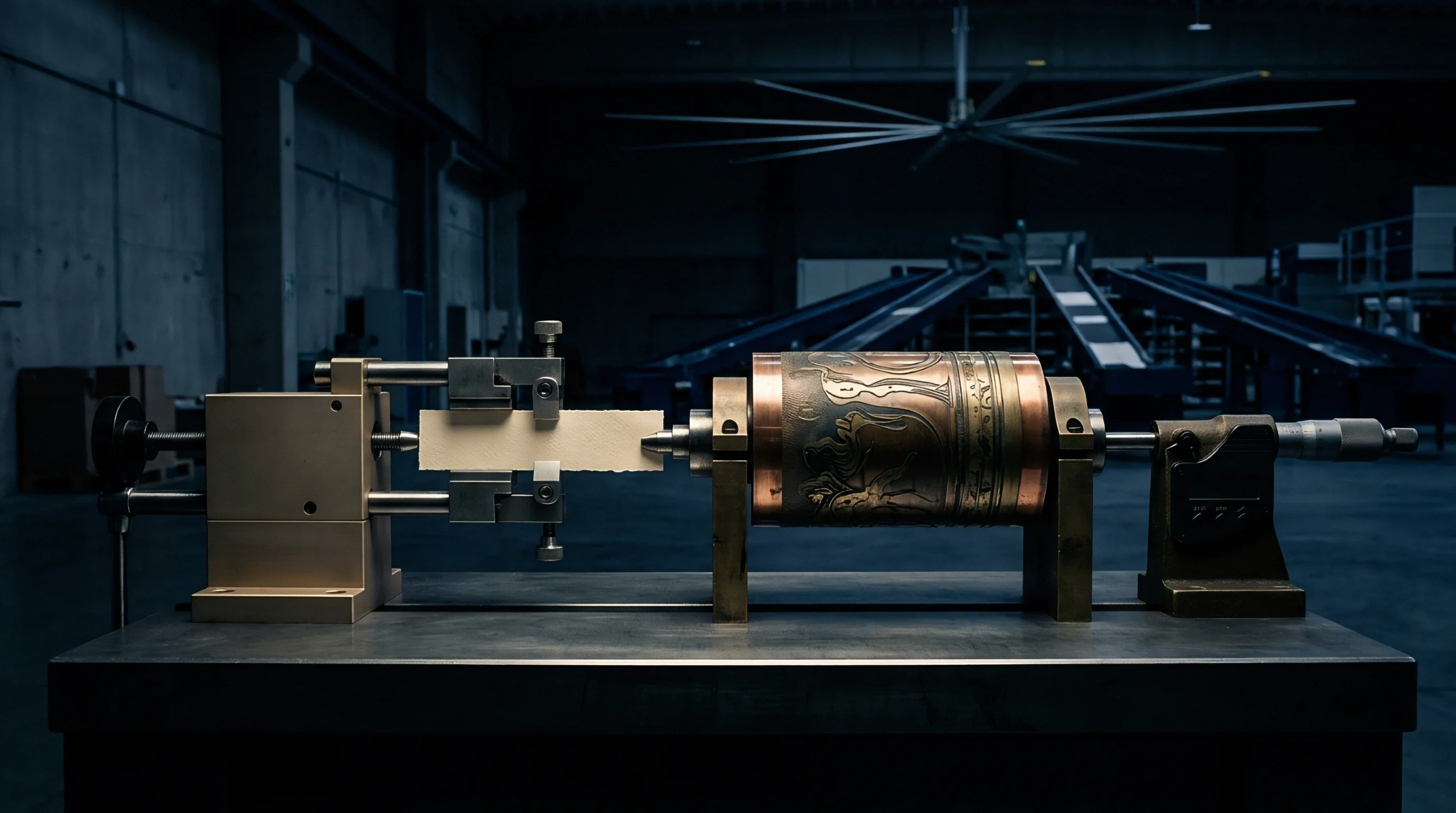
Coating surface durability defines the capability of a printed matte finish to withstand localized rubbing without developing glossy streaks. Standard rub tests quantify burnishing resistance by subjecting paperboard samples to repeated linear contact under controlled normal loads. Measurement procedures record specular reflectance before and after mechanical friction to determine micro-structural flattening.
Gloss Change
Frictional forces during transport or high-speed packaging operations reorient mineral filler particles suspended in the dried ink film. When binders lack sufficient polymer cohesion, surface matting agents flatten under pressure, producing unwanted shiny tracks across dark solid areas. Formulators raise burnishing resistance by selecting hard polyethylene waxes or polyurea additives that absorb shear energy without permanent plastic deformation.
Mechanical abrasion instruments apply uniform pressure using specific felt or substrate pads across fixed cycle counts. Printed folding cartons intended for luxury packaging require high resistance levels to maintain brand appearance through distribution channels. Microscopic analysis confirms that loss of surface texture directly correlates with altered optical reflection angles.
Coating Recovery
Formulations modified with crosslinked acrylic resins show partial elastomeric recovery after momentary contact pressure. Testing protocols specify standardized dwell times between mechanical stress exposure and final gloss evaluation to account for delayed polymer relaxation. Lower burnishing resistance forces converters to apply heavy protective overprint varnishes, which increases material costs and energy consumption during drying operations.