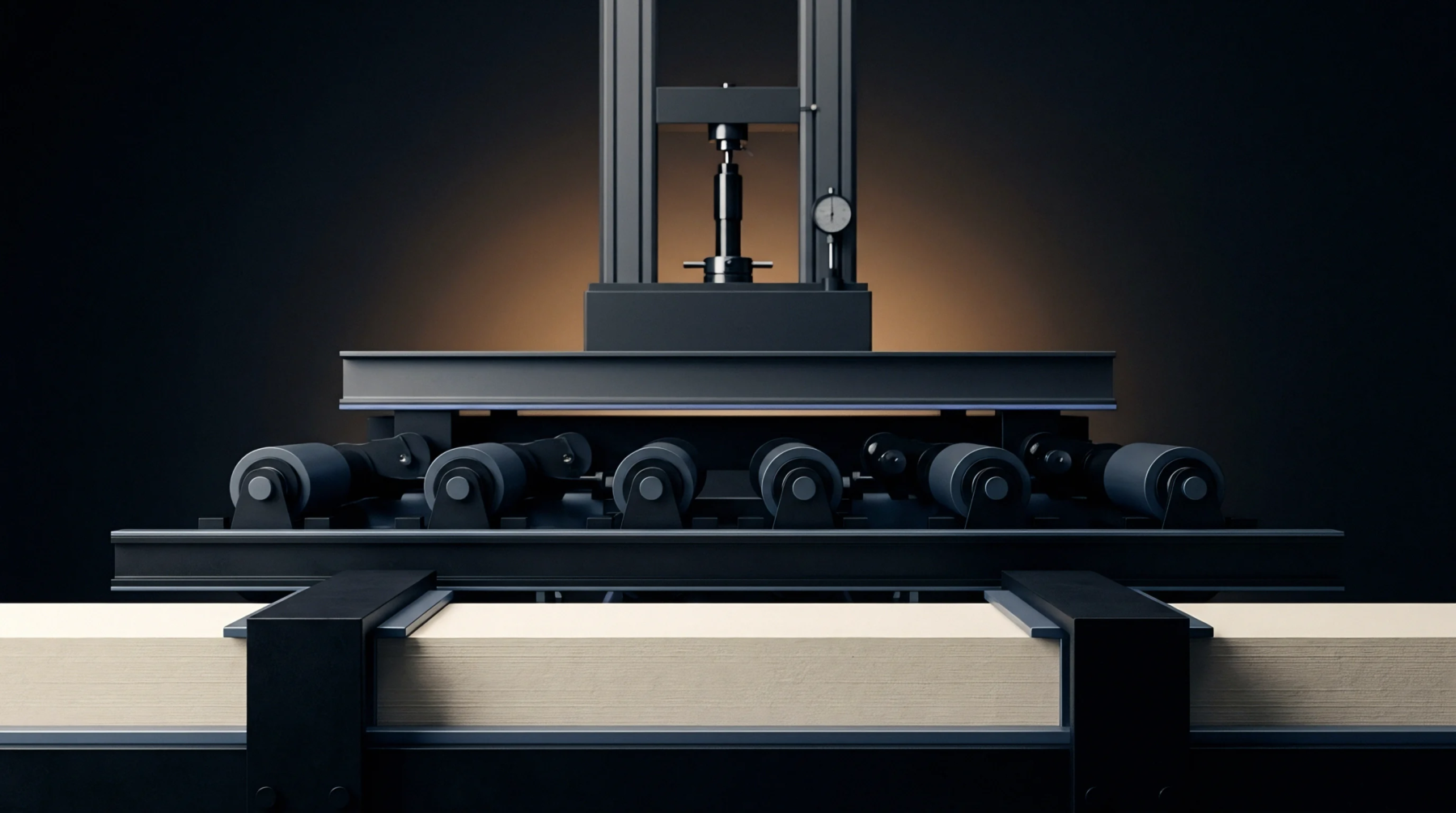
Optical Triangulation versus Air Leak Roughness Testing in Boxboard Quality Control
Air leak testing measures functional board compressibility under print impression, while optical triangulation isolates non-contact geometrical surface defects.
Mechanical adhesion resistance between a consolidated pigment-binder coating matrix and its underlying paper or board base sheet defines the material parameter known as coating pick strength. The property quantifies the resistance of a coated surface to structural rupture, layer peeling or pigment lift-off induced by perpendicular tacky tensile forces during printing processes. Standard evaluations employ IGT or Prufbau printability testers using calibrated high-viscosity oils or standard inks applied at accelerating print velocities.
Rupture occurs when printing tack stress exceeds either the internal cohesive strength of the mineral-latex network or the adhesive bond at the coating-substrate interface. True coating pick marks the failure of the applied pigment layer itself, separating it from base paper delamination or deep ply separation within multi-ply paperboard structures.
Formulations balance synthetic latex emulsion binders, starch derivatives and mineral pigments such as calcium carbonate and kaolin clay to achieve film consolidation. Binder migration poses the principal chemical risk to layer adhesion during web consolidation. Excessive water evaporation during initial infrared or air-flotation drying draws soluble binders toward the outermost surface, starving the internal interface of latex and leaving a fragile, binder-depleted layer adjacent to the raw cellulose fibres.
Base paper porosity and surface sizing also determine bond outcomes, as highly porous baseboards drain fluid carrier phases prematurely, preventing mechanical anchoring of the binder into the fibrous web network. Insufficient synthetic binder content reduces overall cohesive energy within the dried pigment matrix, lowering the threshold where liquid splitting forces tear away micro-fragments. Dynamic contact angle changes and moisture absorption during offset lithographic printing dampens the interface, weakening hydrogen bonds and promoting accelerated wet pick failure.
Adjusting drying heat profiles and balancing starch-to-latex ratios stabilises binder concentration gradients, securing uniform anchoring across the sheet.
High-tack offset lithographic inks exert severe pulling forces across printing nips, particularly when press lines operate at speeds exceeding fifteen thousand impressions per hour. Inadequate pick resistance causes mineral particles to detach and accumulate on rubber offset blankets, forming hard crusts that cause progressive hickey defects and void formation in solid print areas. Blanket washing shutdowns interrupt press productivity and inflate material waste across long commercial production sequences.
Multi-colour sheetfed presses demand descending tack sequences across successive printing units, preventing trailing printing blankets from pulling off coatings printed in preceding stations. Converted packaging board intended for heavy ink coverage or UV-cured varnishing requires elevated pick resistance to withstand rapid ink splitting in multiple printing nips. Surface testing across the cross-direction profile guarantees that edge areas match centre-roll performance, avoiding localized dusting along paper web edges during high-speed slitter rewinding.
Mills verify velocity-viscosity product values against defined grade specifications before approving finished reels for commercial print supply.
Air leak testing measures functional board compressibility under print impression, while optical triangulation isolates non-contact geometrical surface defects.
Expertise is a utility, not a secret. sentiention™ publishes its working knowledge as open reference: intelligence layer covering the materials it sources, the markets it enters, and the reference that serves both.