Protective Layer
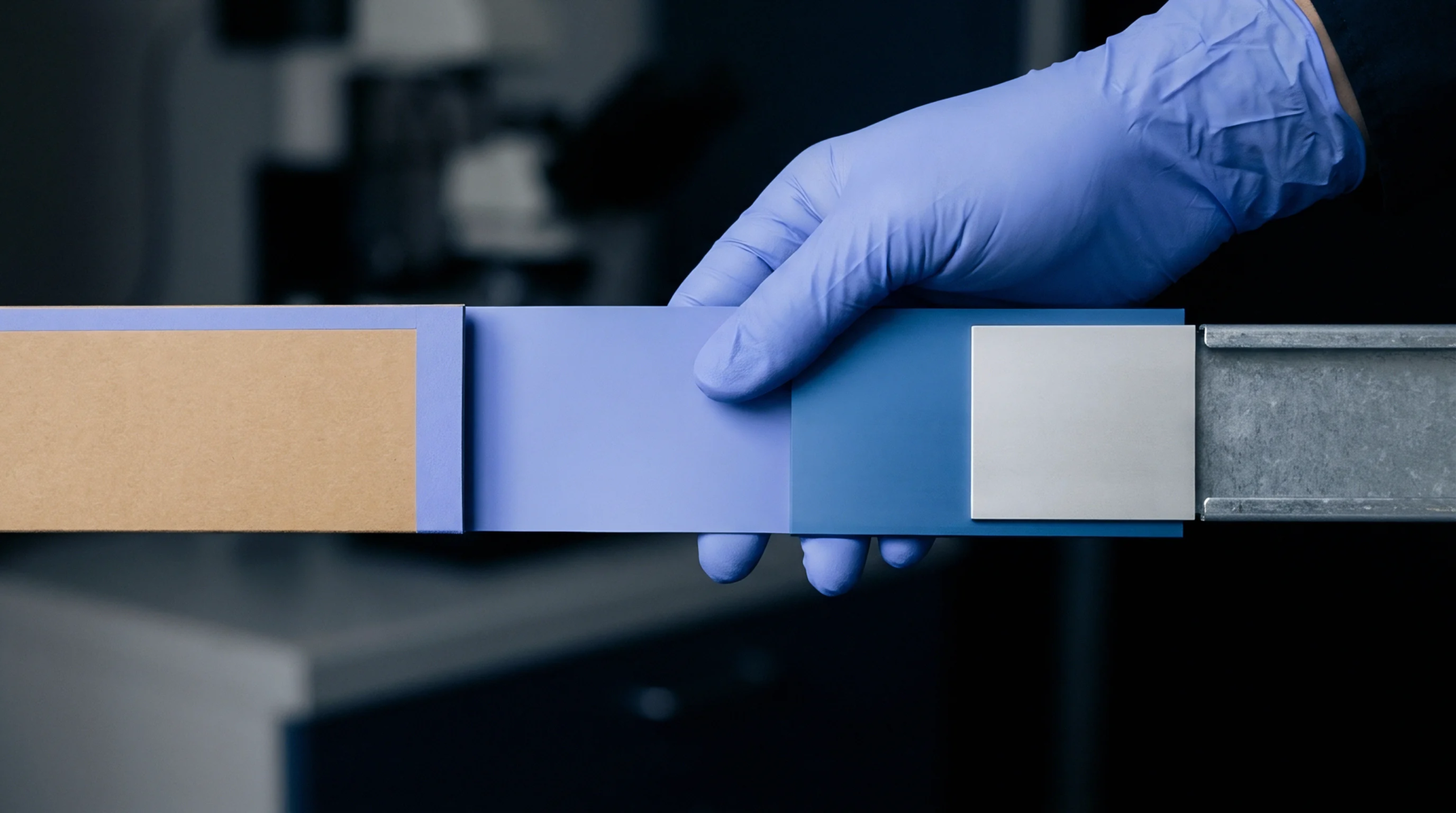
Aqueous coating formulations applied to paperboard substrates provide resistance to liquids and grease without hindering the recyclability of the packaging material. The use of a dispersion barrier has become common in the manufacture of food-service cartons, replacing traditional extruded polyethylene linings. These polymer-based suspensions are applied using standard coating stations and dried on-machine to form a continuous, non-porous protective film.
Drying Mechanism
Coated paperboard passes through heated air tunnels or infrared drying zones where the water evaporates, leaving the suspended polymer particles to coalesce. This coalescence forms the dispersion barrier on the substrate surface, which prevents moisture from softening the structural cellulose fibers. The thickness of the applied layer must be controlled to prevent pinholes and ensure a continuous barrier while maintaining substrate flexibility during subsequent creasing and folding operations.
Improper drying can cause blocking in the rewound reels, where the coating on one side sticks to the back of the adjacent layer under winding pressure.
Recyclability Metric
Repulping efficiency distinguishes these aqueous polymer coatings from conventional plastic laminates. A dispersion barrier disintegrates into fine particles during standard hydrapulping, allowing the valuable paper fibers to be recovered and reused in paper mills. Traditional plastic linings, by contrast, must be separated as solid waste, which increases the total cost and environmental impact of the converting process.