Bonding Dynamics
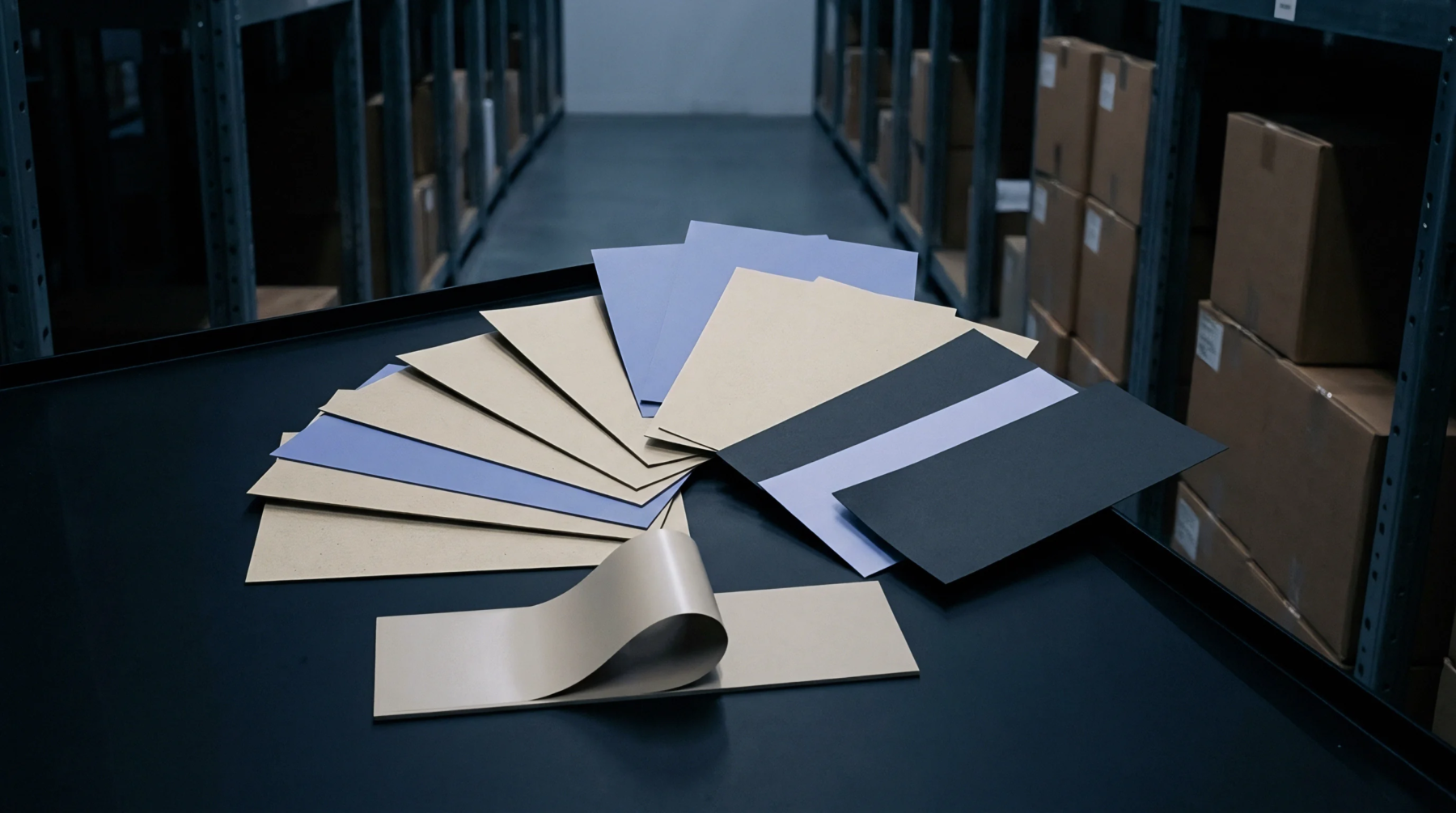
Interfacial peel resistance between dual-coated substrates and paperboard depends on primary anchoring forces and carrier film tension during converting operations. Double-sided tape adhesion establishes the permanent shear strength required for corrugated box assembly and heavy print finishing displays. Adhesive failure occurs when substrate surface energy falls below the dyne level specified for the pressure sensitive mass.
Cohesive splitting within the polymer layer emerges under continuous tensile loading conditions. Manufacturers measure peel performance using standardized stainless steel plate pulling angles. Silicone release liners protect the high tack mass until automated dispensing equipment applies the web to the target stock.
Converting Tolerances
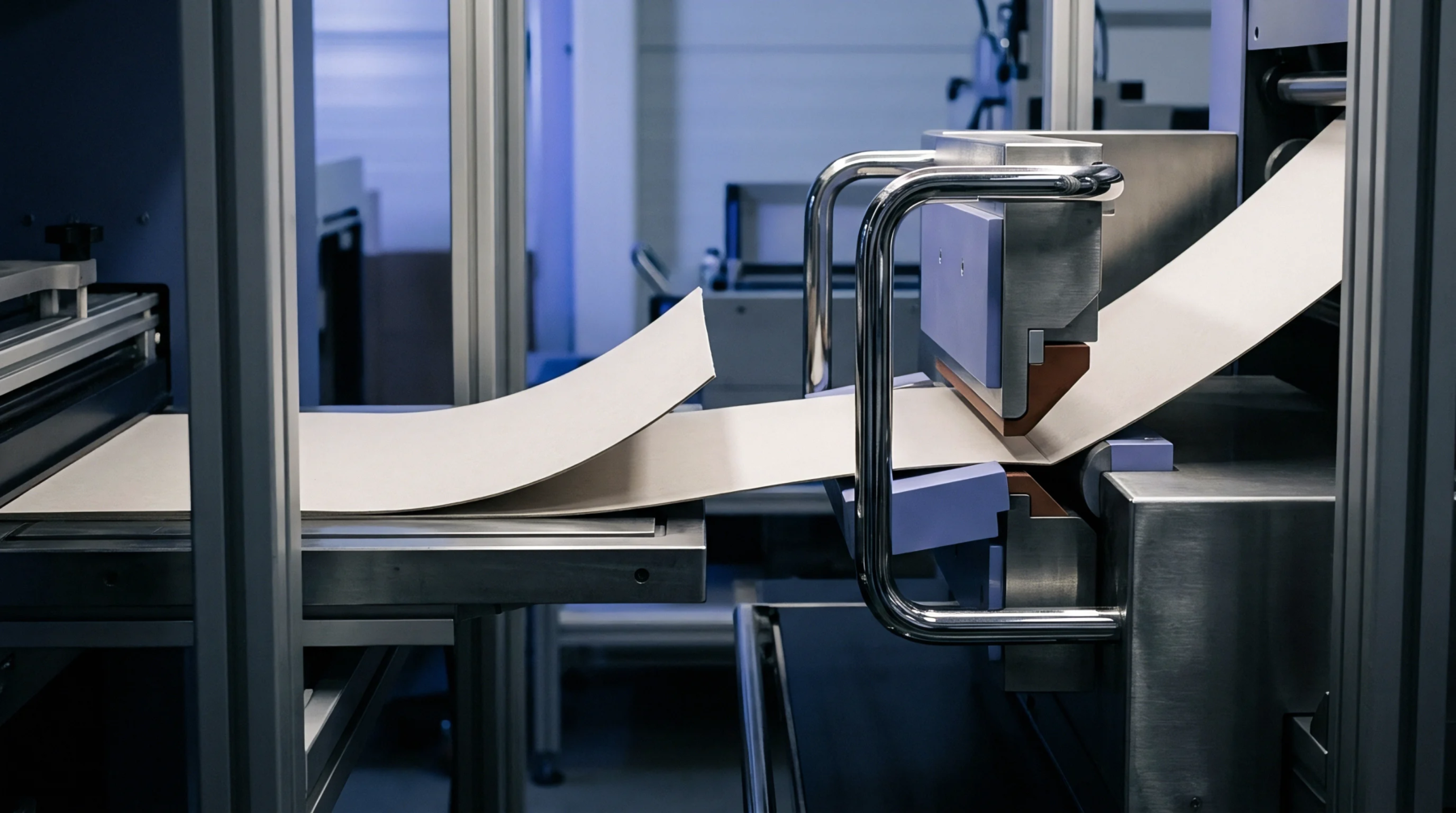
Slitting machinery applies precise longitudinal pressure to maintain uniform web width during high speed application runs. Laminating rollers compress the carrier film against corrugated flutes to eliminate air pockets that reduce total contact area. Ambient temperature fluctuations inside the converting plant alter polymer viscosity and change instantaneous peel values significantly.
Operators calibrate nip roller pressure according to caliper variations across the incoming paperboard rolls. Excessive nip force crushes the underlying paper fibers and weakens the structural integrity of the final glued joint.
Thermal Boundaries
Elevated storage temperatures accelerate polymer crosslinking and reduce ultimate release liner strip force after extended aging periods. Sub-zero environments cause carrier film embrittlement and immediate adhesive fracture during impact testing protocols. Moisture migration from unsealed paperboard edges degrades the acrylic emulsion bond line over time.
Protective barrier coatings prevent plasticizer migration from the tape backing into sensitive food grade packaging substrates. Environmental stress cracking resistance dictates the maximum service temperature for industrial bonding applications.