Mechanical Guidance
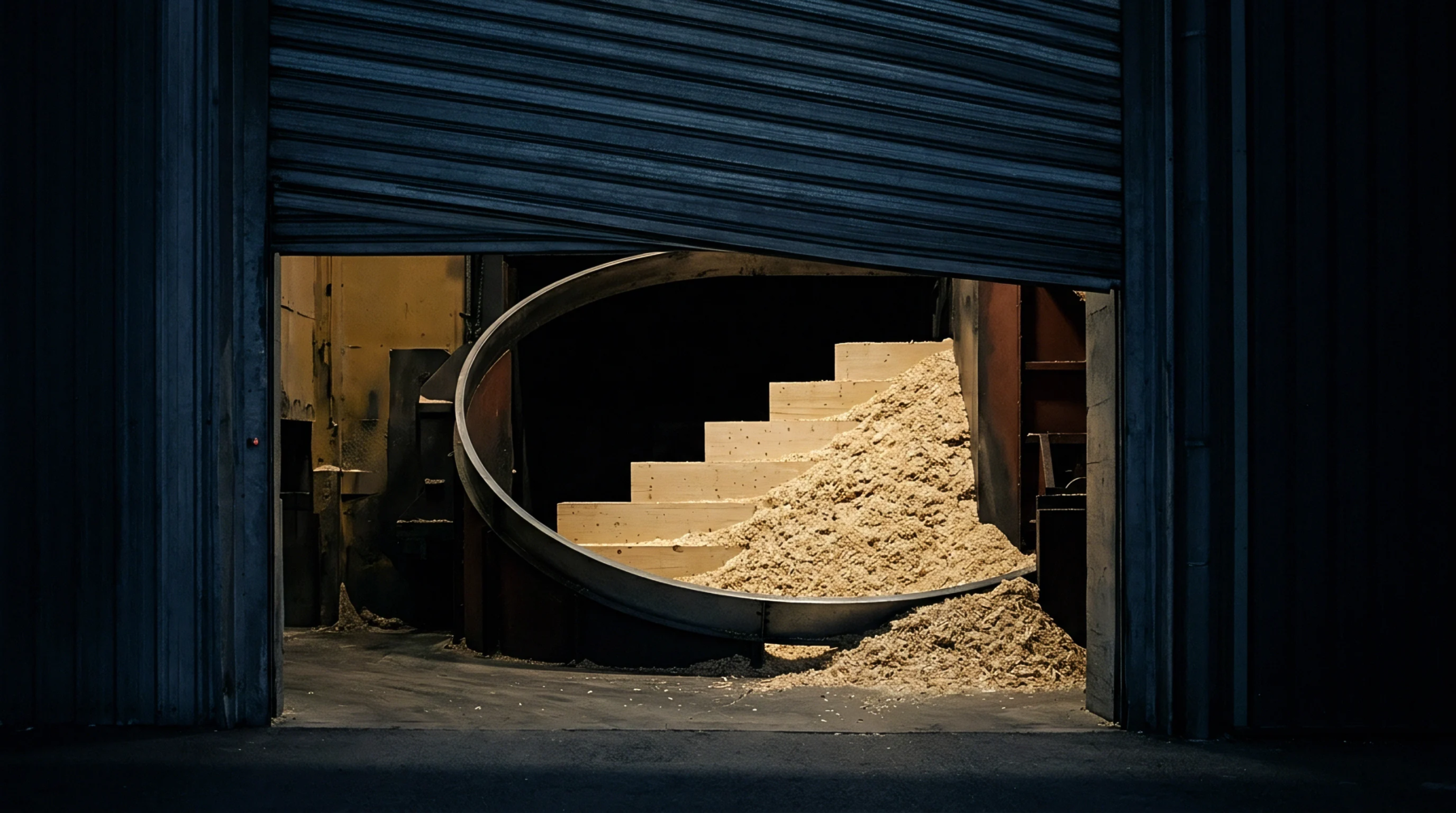
Transition geometry defines the angular path between the incoming web and the nip point within a converting line. An entry shoe slope minimizes tension spikes by directing the substrate along a controlled incline toward the processing rollers. Sheet deformation often results from abrupt changes in direction during high speed feeding operations.
Proper adjustment prevents lateral shifting or tearing of the material as it contacts the first working roller.
Tension Regulation
Force management depends upon the precise degree of this incline. A steeper angle increases friction against the shoe surface, which introduces drag that must be balanced against the downstream drive motor settings. Minimal slope angles promote smooth transport but risk insufficient contact pressure for aligning the sheet edge.
Operators adjust the position to ensure that the substrate maintains constant contact without inducing excessive stress on the fibre matrix.
Surface Alignment
Geometric stability dictates the final quality of the finished edge after slitting or trimming. Precise slopes allow the material to enter the cutting station at a neutral orientation, thereby avoiding uneven shear forces across the web width. Faulty positioning results in oscillating edge quality that compromises the integrity of rolls destined for high speed filling machines.
Stability at this interface determines the accuracy of the entire subsequent production sequence.