Chemical Cleavage
Nucleophilic cleavage of an organic ester linkage by water yields a carboxylic acid and an alcohol across synthetic coatings, internal sizing chemistries, and bio-based barrier polymers. Water molecules attack carbonyl carbons within aliphatic polyesters or acetylated cellulose chains, initiating ester hydrolysis through uncatalysed, acid-catalysed, or base-catalysed mechanisms. This degradation pathway directly impairs the water-resistance of coated paperboard packaging exposed to damp warehouse climates.
Once initiated, the emergence of terminal carboxyl groups lowers local pH values, creating an autocatalytic environment that accelerates polymer decay. The reaction rate depends on internal moisture concentration, ambient temperature, and the molecular density of the polymer matrix.
Packaging Failure
Barrier coatings based on polyhydroxyalkanoates, polylactic acid, or polycaprolactone undergo rapid loss of grease holdout and moisture vapour resistance when ester bonds split inside the polymer backbone. In aqueous barrier-coated food packaging, ester hydrolysis breaks down the hydrophobic ester groups of acrylic latex binders, inducing blister formation and loss of dry pick resistance. Liquid packaging board carrying biopolymer laminates displays catastrophic pinhole growth when stored above ambient warehouse humidity over three months.
The cleavage releases hydrophilic chain fragments that migrate toward the board interface, disrupting adhesion between paper fibres and extrusion layers. Corrugated cartons bonded with polyester-modified starch adhesives experience bond delamination under prolonged refrigeration.
Degradation Kinetics
Cleavage rates follow pseudo-first-order kinetics when moisture ingress into the polymer layer occurs faster than bond splitting. Water molecules penetrate amorphous polymer zones first, initiating ester hydrolysis along exposed molecular segments while crystalline domains remain intact. Elevating warehouse storage temperatures from twenty degrees Celsius to forty degrees Celsius can triple the cleavage rate within aliphatic polyester barrier films.
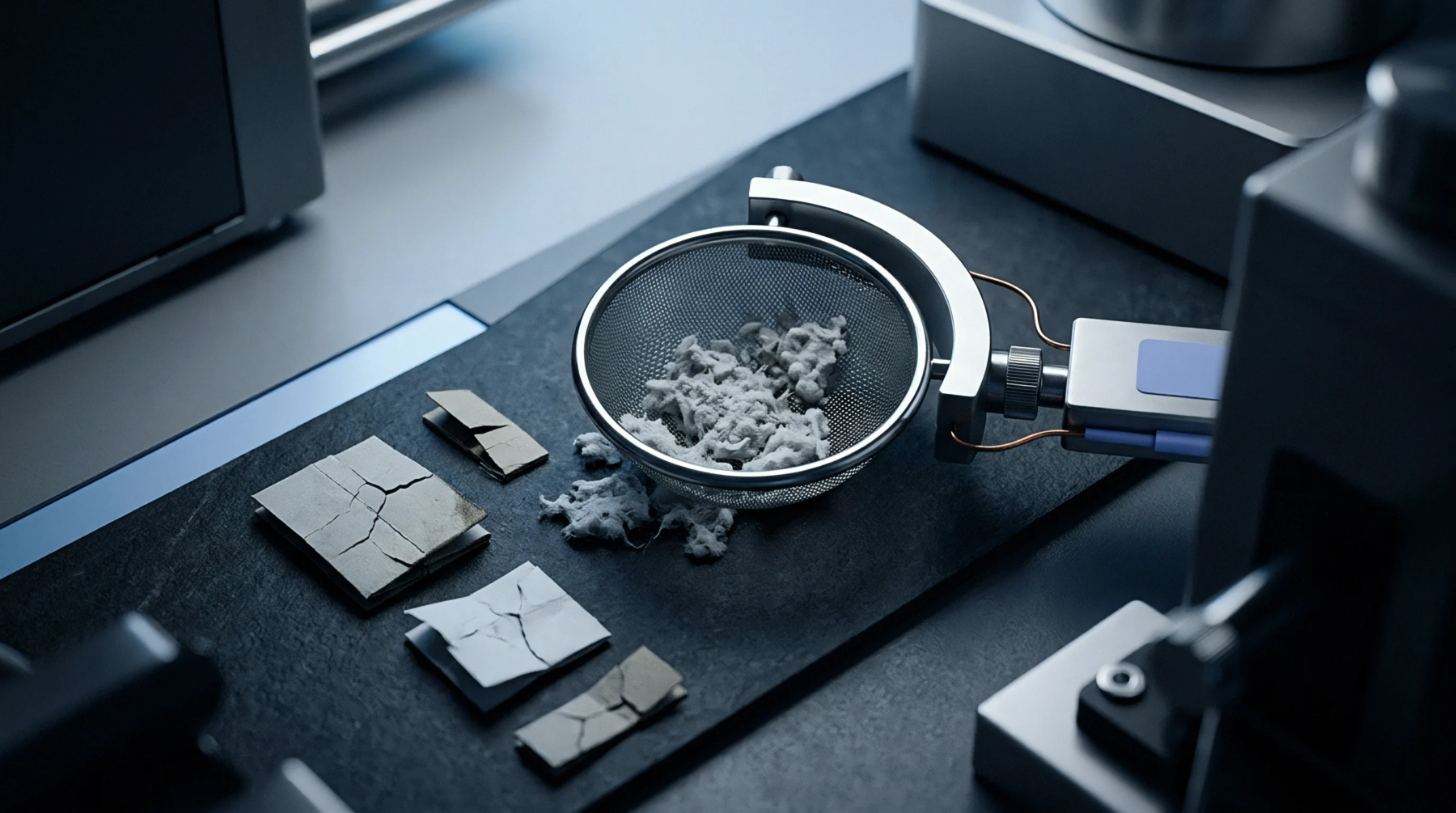
Hydrolysis reduces polymer molecular weight drastically, shifting the glass transition temperature downward and triggering embrittlement in flexible paperboard lids. Heat-seal seams fabricated from compostable barrier resins lose peel strength when moisture trapped in adjacent cellulose fibres migrates into the seal interface during prolonged storage.