Stretching Velocity
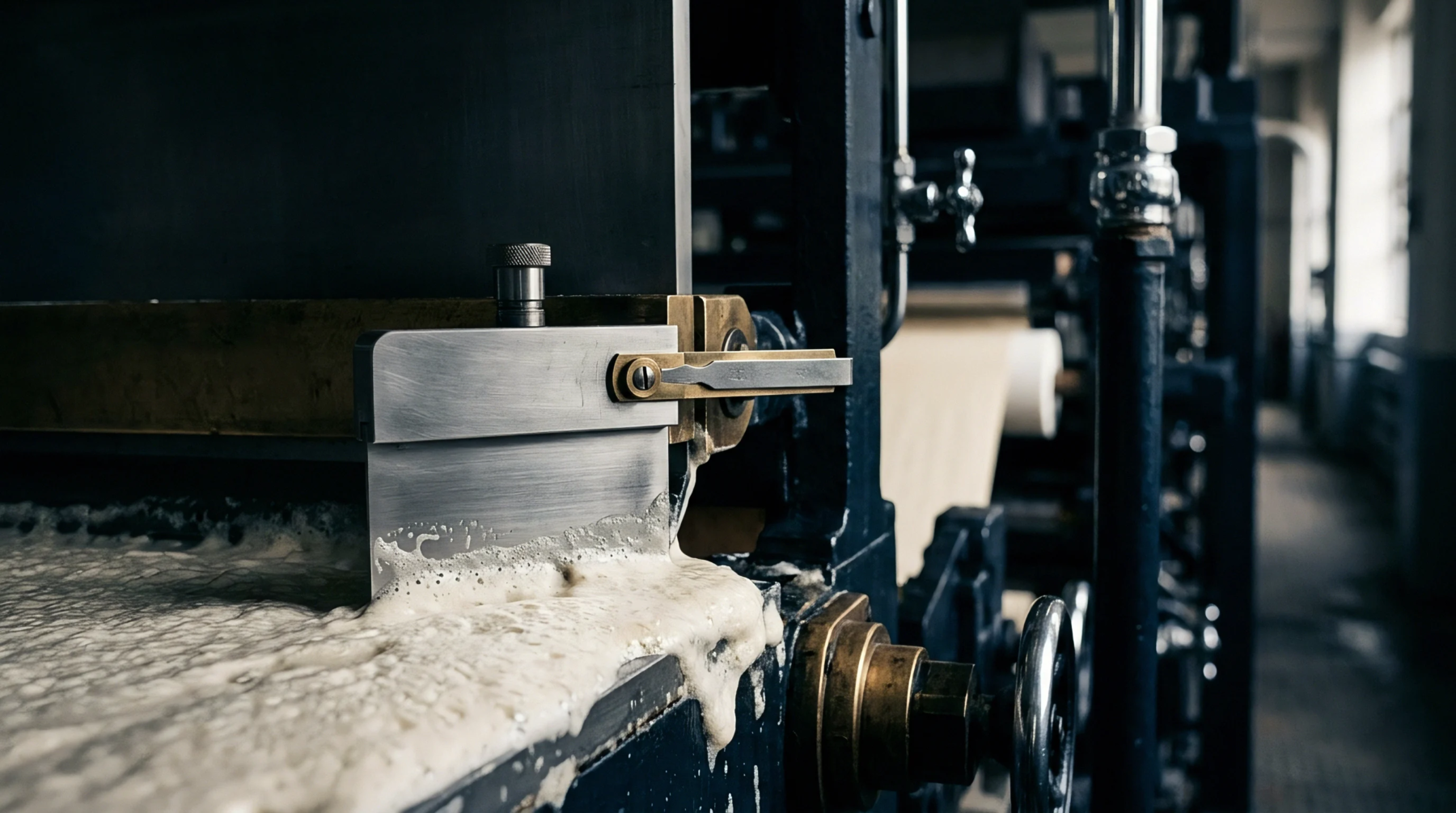
Linear deformation per unit of time describes the speed at which a fluid element is pulled apart in a flow field. High extensional strain rate occurs at the exit of a printing nip where the ink filament is stretched between the separating surfaces of the roll and the substrate. This physical quantity differs from shear rate because it involves changes in the length of the fluid volume rather than the sliding of layers.
Filament Stability
Resistance to elongation determines whether a liquid bridge will snap cleanly or pull into long thin threads that eventually break into mist. Under a high extensional strain rate, certain polymers in the ink formulation exhibit strain hardening, which increases the force required to continue the stretching process. This property prevents the ink from flying off the rolls at high speeds and ensures that the majority of the liquid transfers to the paper.
If the fluid thins too much during extension, the filaments become unstable and produce small droplets that contaminate the press environment.
Process Limit
Mechanical constraints on press speed arise when the fluid cannot withstand the forces generated during separation. At a specific extensional strain rate, the cohesive forces within the ink are overcome by the kinetic energy of the rollers.