Geometry Configuration
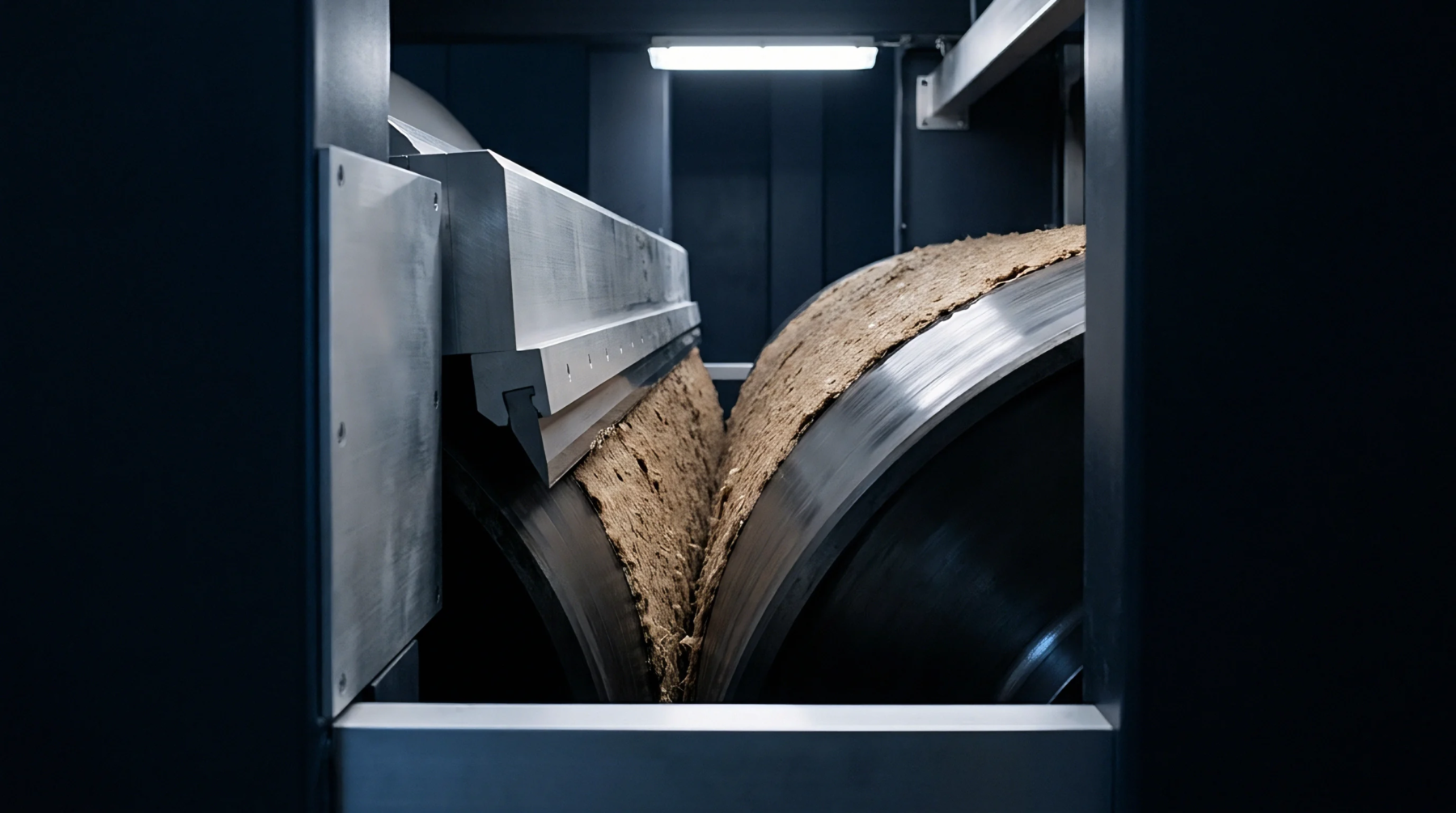
Slotted metallic plates installed along vertical digester walls govern liquor withdrawal by distributing open surface area across designated vessel elevations. This mechanical configuration is the extraction screen profile, establishing slot dimensions and plate relief angles that separate spent cooking chemicals from moving wood chips. Fabrication standards specify slot widths ranging typically from three to five millimetres to permit fluid passage while blocking fiber fragments.
The profile controls liquor separation inside pressurized digestion shells and does not extend to flat vibrating screens in pulp cleaning plants.
Hydrodynamic Resistance
Uniform fluid withdrawal through vessel screen assemblies prevents localized liquor acceleration that could pin descending wood chips against the plate surface. Modern digester designs use stepped plate geometries, where the trailing edge of each slot features a recessed relief channel that breaks drag forces as chips slide downward. An optimized extraction screen profile equalizes withdrawal velocity over the entire screen face, preventing dead zones where stagnant liquor degrades fiber yield.
If slot velocity exceeds design limits, wood chips deform into the screen openings, restricting flow and generating severe pressure differentials across the vessel shell. Operators monitor backflushing cycles that momentarily reverse liquor flow through alternating screen headers to clear accumulation. Balanced screen profiles extend runability between acid cleanings by minimizing liquor scaling from calcium carbonate precipitation.
Velocity Margin
Liquor withdrawal rates across the screen assembly must remain below twenty-five millimetres per second face velocity to avoid chip pinning. Exceeding this boundary induces rapid face blinding, halting extraction regardless of pump suction capability.