Mechanical Modification
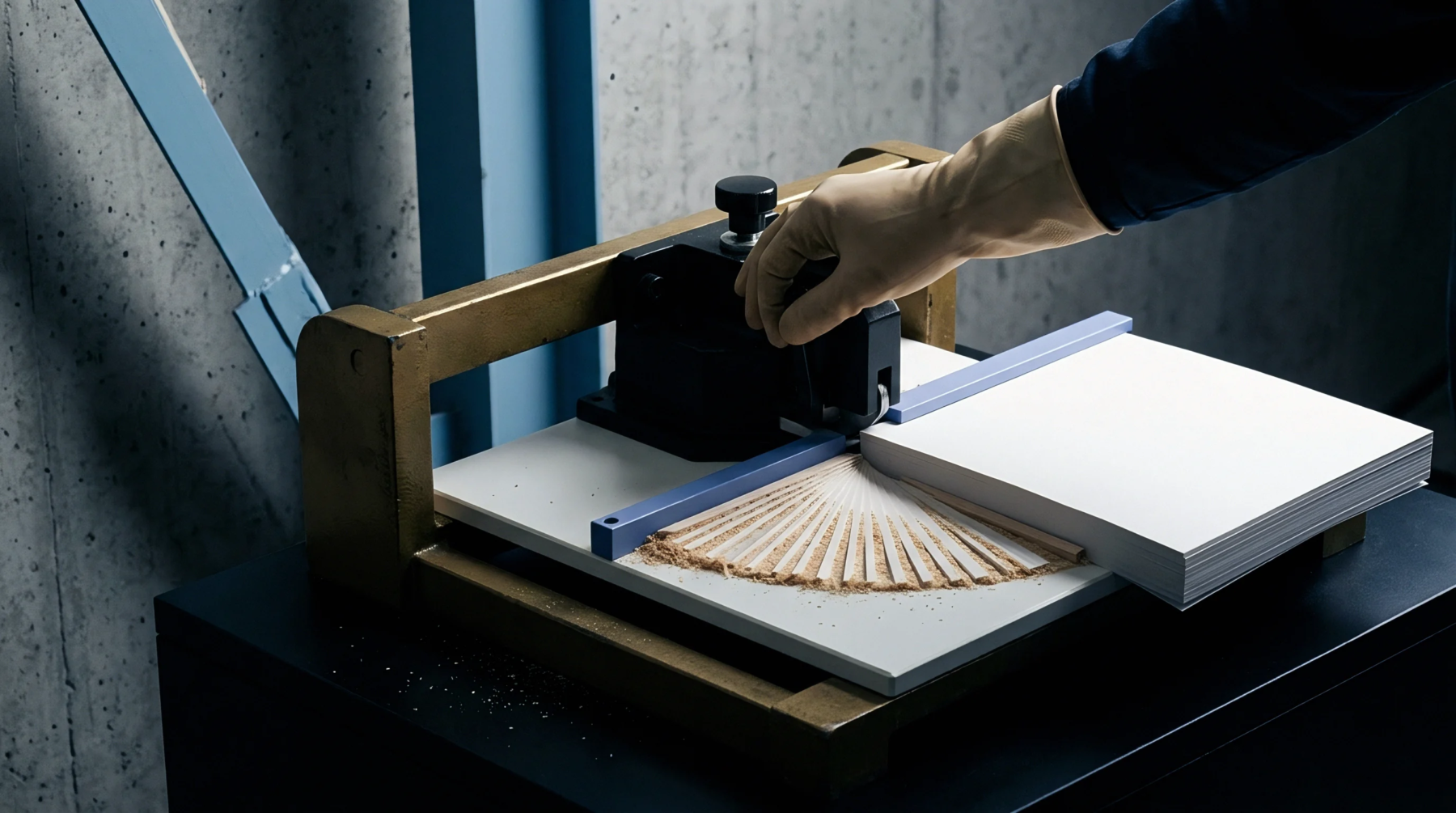
Pulp treatment involves the heavy physical working of cellulose strands to increase their external fibrillation and flexibility. Fiber refining uses rotating discs or bars to shear, compress, and hydrate the material before it reaches the paper machine. This operation forces water into the amorphous regions of the individual strands.
Proper control prevents excessive cutting, which maintains the drainage rate and ensures the structural integrity of the final sheet.
Surface Properties
High bond strength results from the creation of hydroxyl groups during the intense mechanical shear of fiber refining. These microscopic fibrils increase the contact area between adjacent components when the web forms. Increased contact density improves the tensile strength and burst resistance of the finished paper product.
A sheet with poor internal bonding lacks the stability required for modern high speed printing presses. Adjusting the clearance between metal plates regulates the degree of treatment applied to the slurry. Minimal gap settings promote higher levels of fibrillation while wider settings preserve the original length of the strands.
Operational Limits
Energy consumption rises sharply as the mill targets higher degrees of freeness for specific stock qualities. Excessive work produces fines that block water removal, causing slow drainage and reduced production speed on the wire. Mills must balance these power inputs against the required optical and physical specifications of the paper grade.
Precise regulation of the plate gap remains the primary method for maintaining the desired target state of the material.