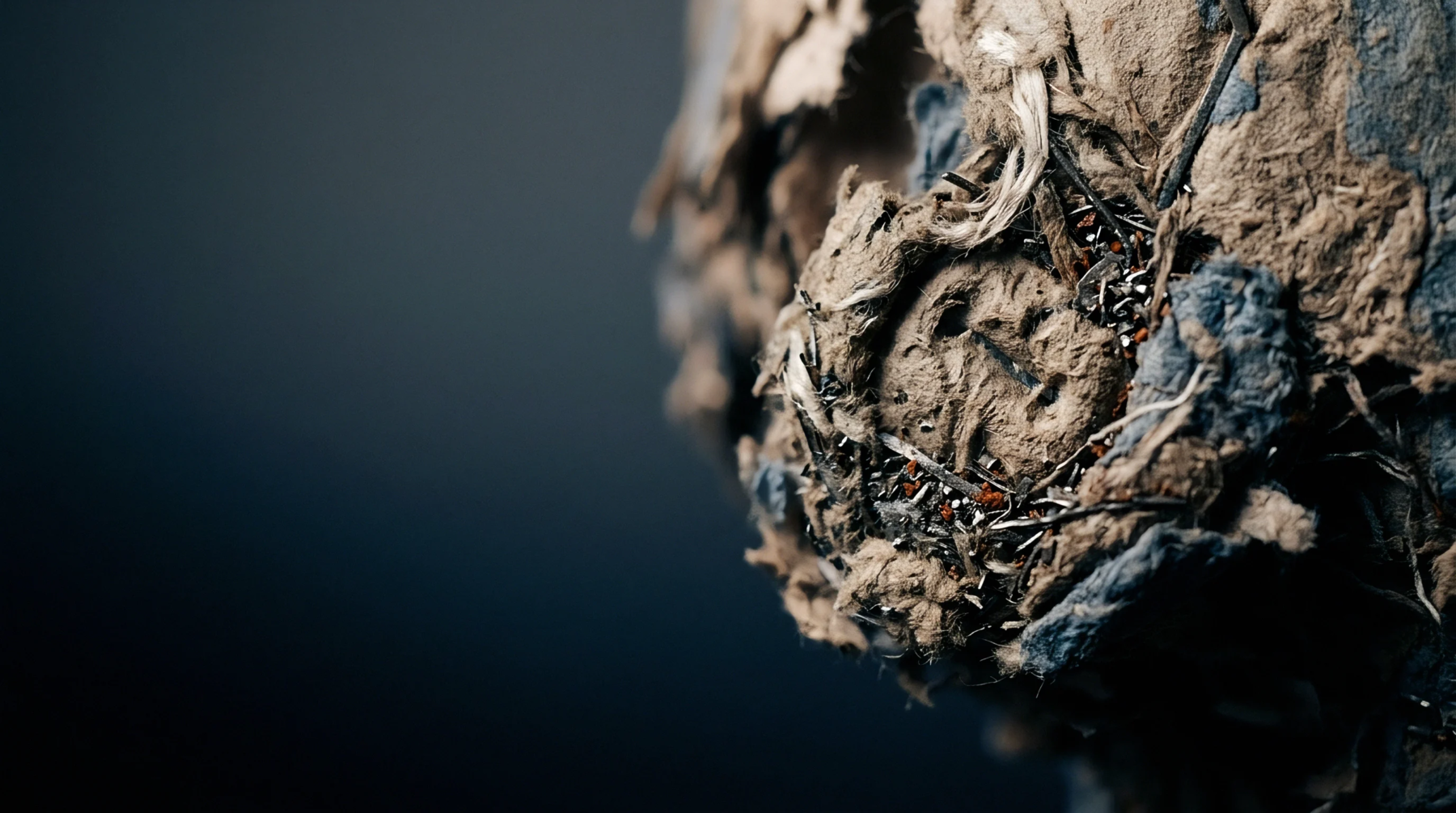
Dewatering Deviation
Continuous changes in drainage resistance exhibited by pulp slurries define freeness drift across stock preparation systems. The physical metric tracks progressive deviation in Canadian Standard Freeness or Schopper-Riegler values away from target dewatering setpoints during mechanical or chemical refining. When stock displays unexpected drainage rates on forming wires, downstream press section dewatering shifts unpredictably, destabilizing wet web consolidation.
Measurement boundaries terminate at the headbox slice where slurry drainage behavior transitions from furnish preparation monitoring to wet end sheet formation dynamics.
Operational Variance
Disc refiner plate wear operates as the primary mechanical driver behind long-term drainage shift across high-consistency refining lines. Metal bar edges round off under constant shear friction, reducing specific edge load while increasing specific surface area through excessive fibre cutting. Stock temperature fluctuations also induce apparent drainage variance due to viscosity alterations in process water, altering water passage rates through pad matrices.
In recycled fibre plants, furnish contamination with fine particulates shifts drainage unpredictably despite steady refiner power consumption. Mill operators adjust specific energy inputs to maintain targeted freeness, balancing refined pulp quality against dry line positions on the forming table.
Machine Instability
Process shifts that alter drainage profiles force headbox vacuum adjustments to prevent wet line migration toward couch rolls. Excessive dewatering creates localized pinholes on suction boxes, whereas slow-draining stock increases press roll moisture loadings, escalating drying cylinder steam demands. Caliper profiles change down the machine direction when sheet density collapses under wet pressing.
Converting operations experience uneven ink absorption and blister defects on offset lithographic presses when paper stocks emerge from uncorrected freeness variations.