
Analytical Protocol Requirements for Food Contact Paper Barrier Migration Testing
Paper barrier migration testing requires verified simulant selection, GC-MS detection, functional barrier evaluation, and complete compliance dossiers.
Paper barrier migration testing requires verified simulant selection, GC-MS detection, functional barrier evaluation, and complete compliance dossiers.
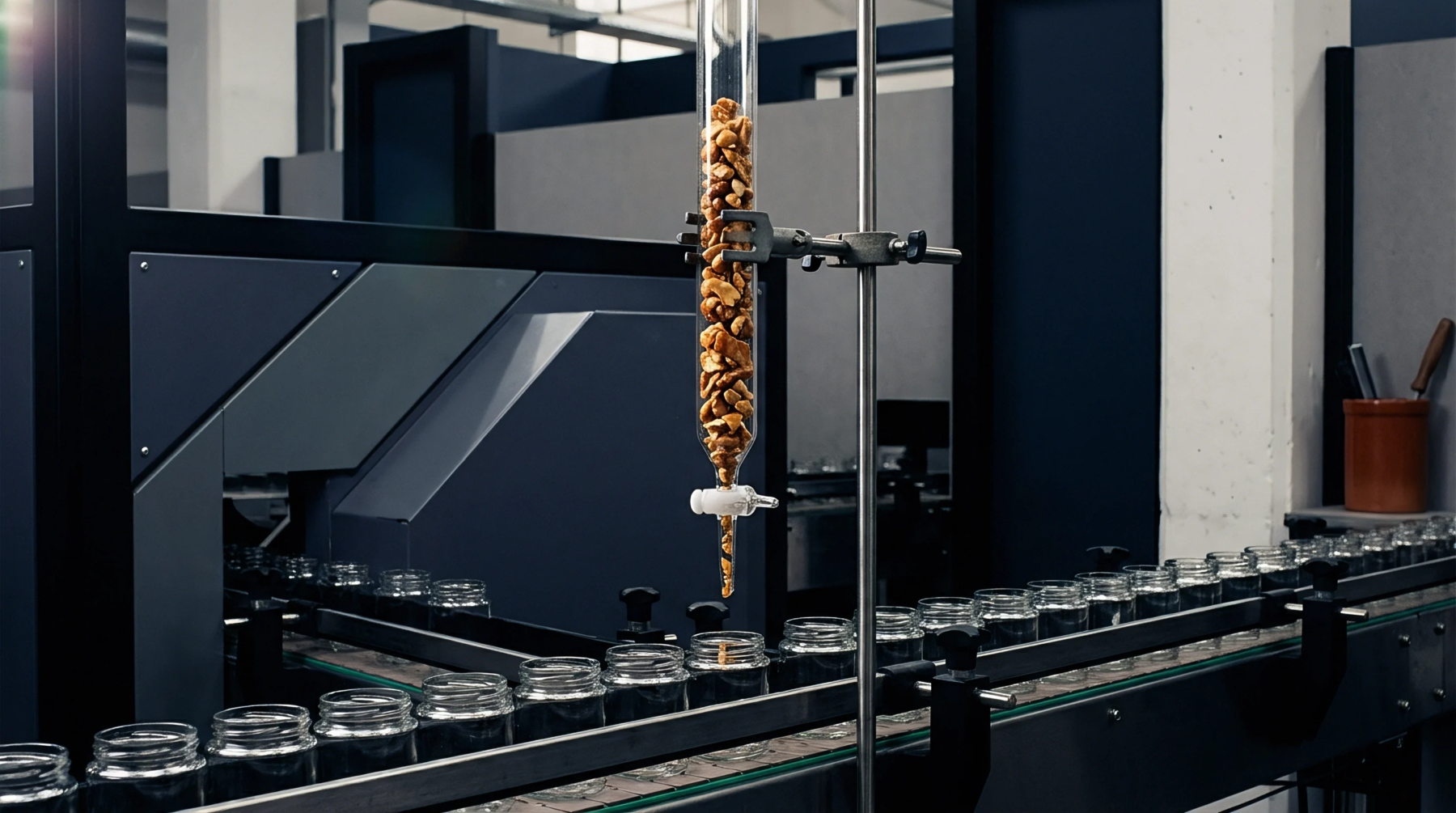
Chromatographic clearance for food contact recycled board requires blank-subtracted baseline integration to accurately isolate MOSH/MOAH envelope mass.

Variable hexanoate monomer inclusions in extruded biopolymer films alter crystallinity, shifting industrial compost disintegration rates outside certified 12-week windows.

Standardizing sample grinding, extraction solvents, and response factors resolves transboundary analytical discrepancies in food contact flake testing.

Pyrolysis mass spectrometry maps sizing additive retention across paperboard plies, preventing edge-wicking failures and verifying food-contact compliance.

Closed mill loops accumulate dissolved organics suppressing GC-MS signals; isotope dilution with phenylboronic derivatization resolves true chloropropanol levels.

Chromatographic extraction quantifies thermal cleavage residues in barrier coatings to ensure food contact safety and control drying parameters.
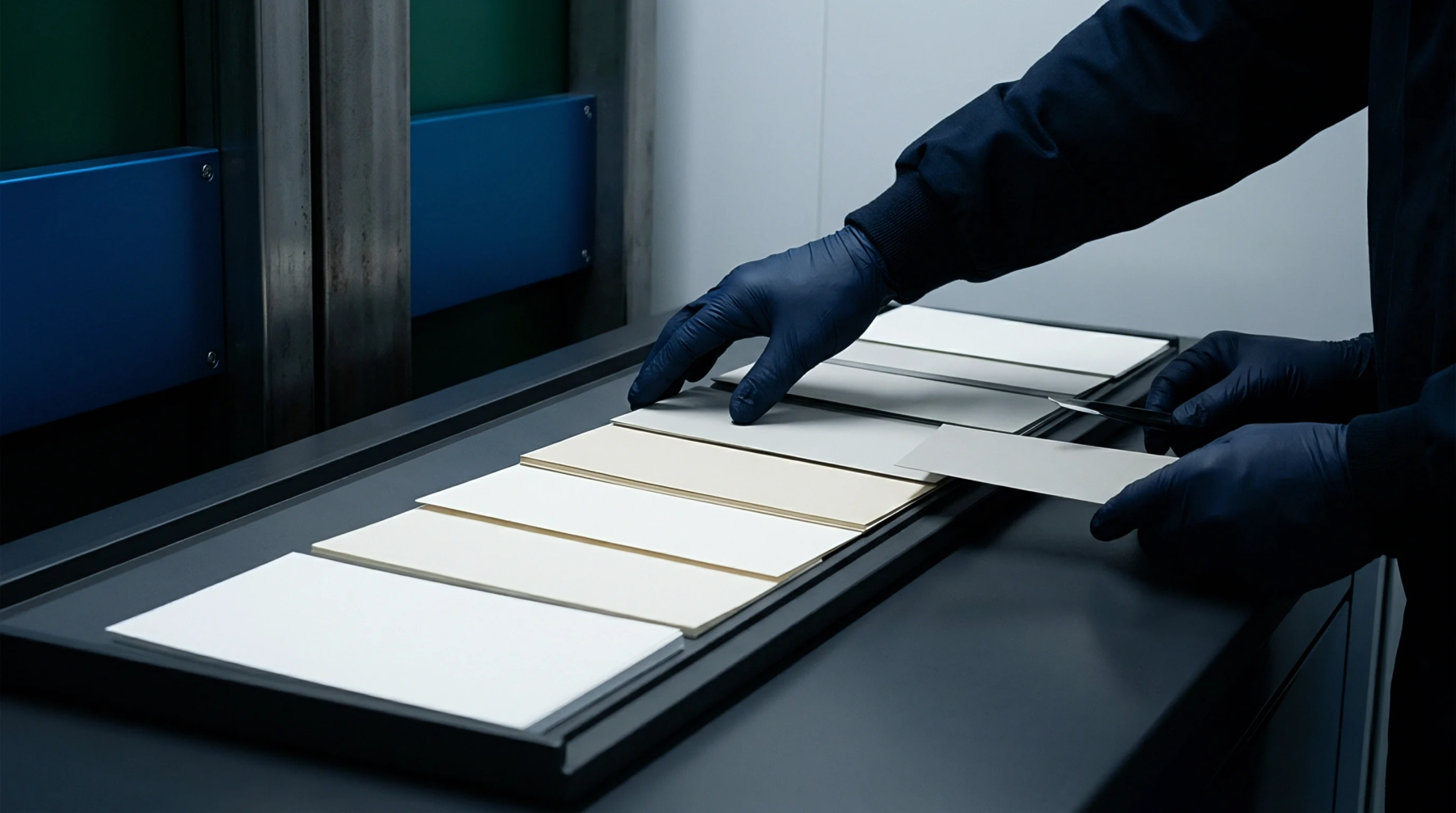
Inline coating compliance relies on gas chromatography extraction testing to quantify residual monomers and photoinitiators down to parts-per-billion limits.

Fold-crazed barrier board accelerates mineral oil migration; specify ductile co-extruded polymer layers and calibrated creasing matrices to prevent leaks.
Expertise is a utility, not a secret. sentiention™ publishes its working knowledge as open reference: intelligence layer covering the materials it sources, the markets it enters, and the reference that serves both.