Standard Gas Chromatography Extraction Testing for Cured Inline Surface Coatings
Inline coating compliance relies on gas chromatography extraction testing to quantify residual monomers and photoinitiators down to parts-per-billion limits.
Residuals
Inline surface coatings applied on high-speed sheet-fed offset or flexo packaging lines rely on rapid free-radical photopolymerization or thermal cross-linking. When overprint varnishes (OPVs) pass under ultraviolet lamps or electron beam emitters at press speeds exceeding 300 metres per minute, monomer conversion rarely achieves absolute 100 percent completion. Unreacted low-molecular-weight species remain entrapped within the cured acrylic or polyurethane matrix.
These non-crosslinked components migrate through paperboard fibers, reaching food contact surfaces or volatile space inside sealed packaging.
Acrylate monomers represent a primary target in gas chromatography testing. Multifunctional monomers such as tripropylene glycol diacrylate (TPGDA), trimethylolpropane triacrylate (TMPTA), and hexanediol diacrylate (HDDA) provide cross-linking density, yet unreacted fractions retain high mobility. Type I and Type II photoinitiators add chemical complexity.
Photoinitiator breakdown fragments, including benzaldehyde, 1-hydroxycyclohexyl phenyl ketone cleavage products, and alkyl-aminobenzoates, generate sensory odor and potential toxicological transfer. Mercury arcs age rapidly.

Why Do Inline Acrylate Coatings Retain Volatile Compounds?
Free-radical polymerization experiences oxygen inhibition at the web surface. Atmospheric oxygen competes with acrylate double bonds for photogenerated free radicals, forming stable peroxy radicals that terminate chain propagation prematurely. This reaction leaves a micro-thin, unreacted resin layer on top of the cured varnish.
Oxygen starves surface radicals.
Solvent entrapment occurs in water-based inline coatings and hybrid UV systems. Water-based inline coaters drive off water and alcohol co-solvents through hot-air and infrared drying tunnels prior to secondary curing passes. Rapid surface film formation traps residual solvents like ethanol, isopropyl acetate, and 1-methoxy-2-propanol within the drying polymer network.
Gas chromatography extraction isolates these residual solvents to verify drying tunnel thermal efficiency.
Inline flexo tower coaters running at 300 metres per minute generate micro-thin skinning where top-layer monomer conversion lags behind bulk cure.
Photoinitiator Degradation Pathways
Type I photoinitiators undergo alpha-cleavage upon ultraviolet absorption, splitting into two free radicals that initiate acrylic double-bond polymerization. Breakdown products remain in the cured coating film as non-polymeric inclusions. Type II systems, such as benzophenone paired with tertiary amine synergists, undergo hydrogen abstraction, leaving unreacted benzophenone and substitute alkylamines available for migration.
- Unreacted Acrylate Monomers remain within the cured film when UV radiation exposure drops below the required energy threshold for complete conversion.
- Photoinitiator Cleavage By-Products form during exposure to mercury arc lamps and retain low molecular weights capable of migrating through cellulose fibers.
- Trapped Process Solvents reside inside the dried coater film when thermal drying air speed falls short during high-speed production runs.
- Thermal Breakdown Products generate inside the curing tunnel under high infrared heat loads that degrade fragile coating additive formulations.
Quantifying these unreacted volatile species requires targeted chromatographic extraction techniques calibrated to precise detection limits.
| Target Analyte | Chemical Class | Extraction Solvent | Detection Limit (mg/dm²) | Specific Migration Limit (mg/kg) |
|---|---|---|---|---|
| Trimethylolpropane Triacrylate (TMPTA) | Multifunctional Acrylate | 95% Ethanol | 0.005 | 0.05 |
| Benzophenone | Type II Photoinitiator | Iso-octane | 0.002 | 0.60 |
| 4-Methylbenzophenone | Type II Photoinitiator | Iso-octane | 0.002 | 0.05 |
| Isopropyl Thioxanthone (ITX) | Photoinitiator | Acetonitrile | 0.001 | 0.05 |
| 1-Hydroxycyclohexyl Phenyl Ketone | Type I Photoinitiator | 95% Ethanol | 0.005 | 5.00 |
Allowing uncured acrylate monomers to exceed migration limits forces the full destruction of finished packaging lots and triggers product recall costs across the consumer chain.


Chamber
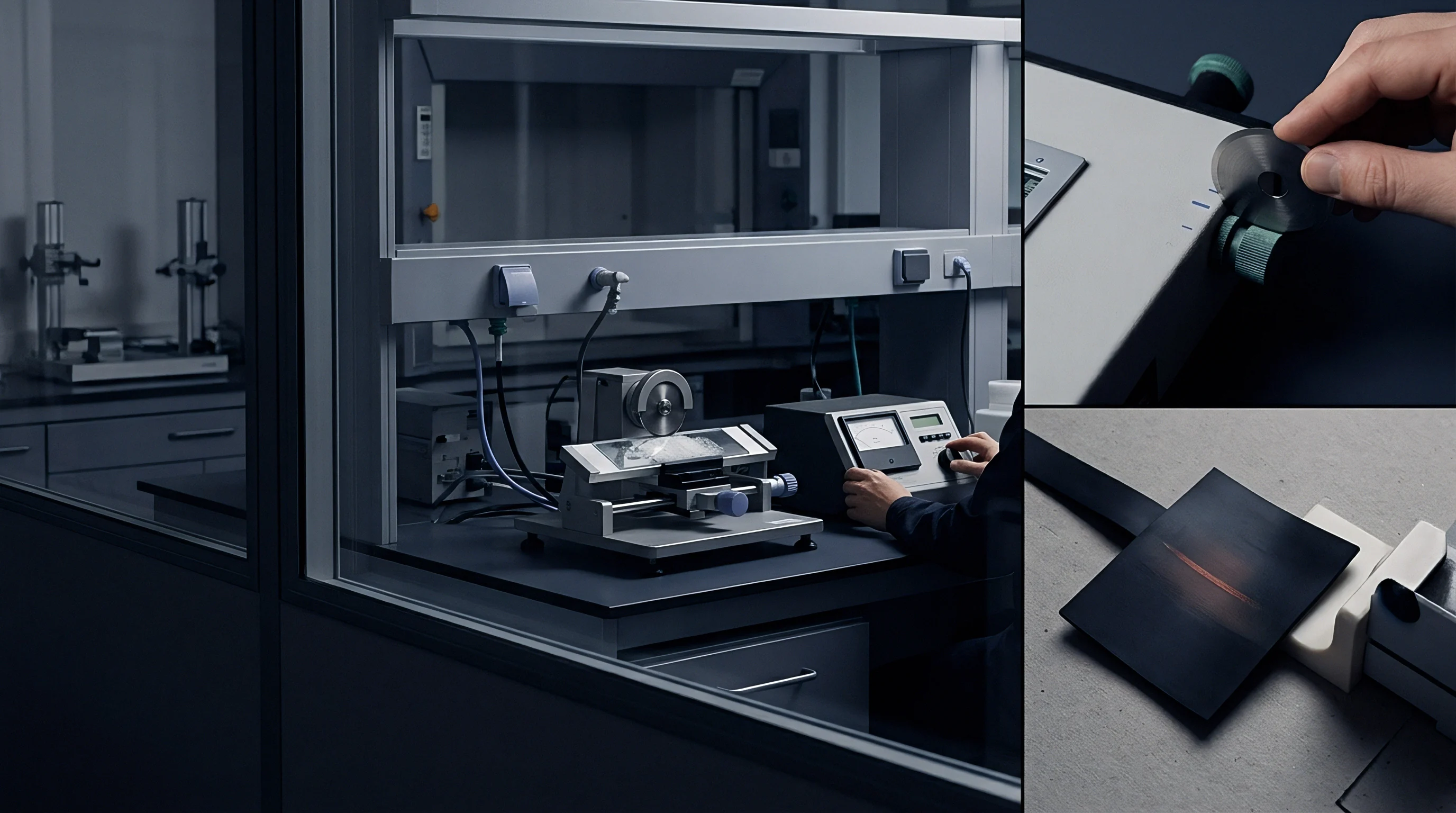
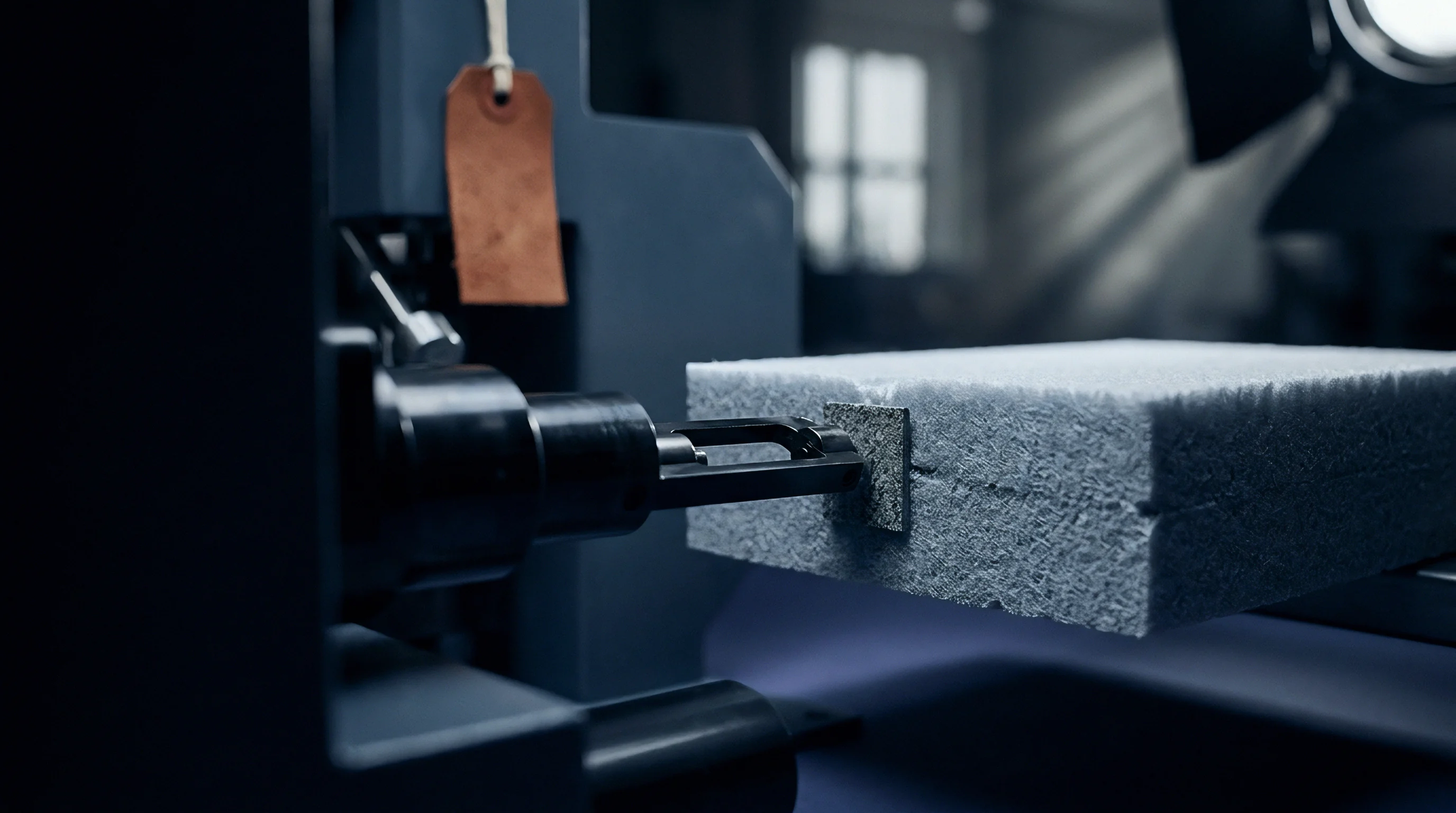
Preparing cured board samples for chromatographic separation demands precise geometric sectioning to isolate target coating area from uncoated substrate edges. Test specimens are taken across the full press web width, capturing operator-side, center, and drive-side cure uniformity. Analysts use circular steel dies to cut 1.0 decimetre square specimens, avoiding edge fraying that introduces excess raw paperboard fibers into extraction vessels.
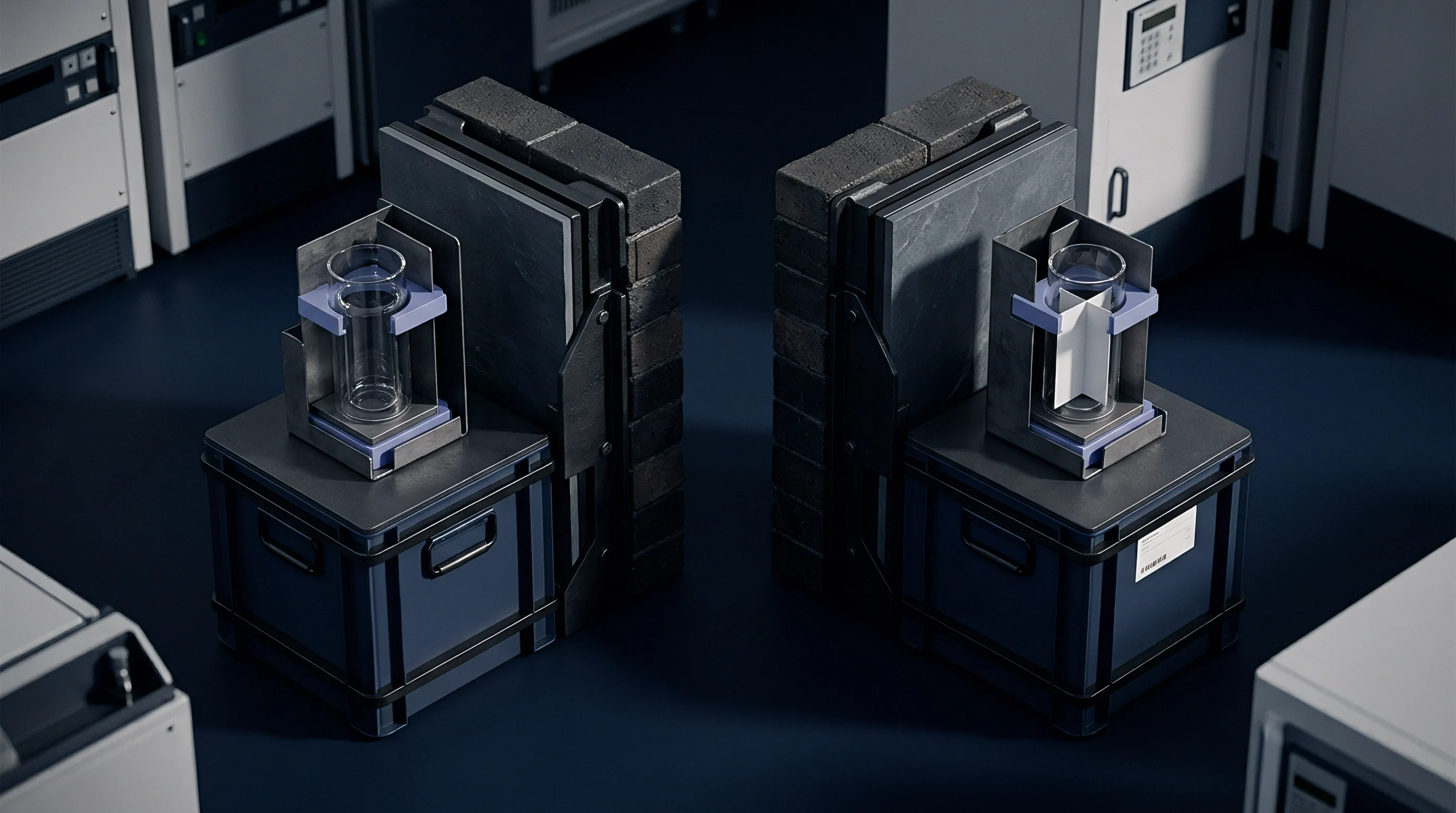
Solvent extraction protocols fall into two distinct analytical methodologies: static headspace extraction and liquid immersion extraction. Static headspace gas chromatography (HS-GC) isolates volatile organoleptic compounds by heating the coated board inside a sealed septum vial until thermodynamic equilibrium forms between the solid substrate and the gaseous headspace. Solvent immersion extracts semi-volatile photoinitiators and unreacted acrylic oligomers by submerging the coated specimen in food simulants or organic solvents.
Liquid Immersion versus Static Headspace Sampling
Immersion methods employ food simulants defined by packaging compliance frameworks. Ethanol 95 percent serves as a harsh fatty-food simulant, swelling cross-linked acrylic networks and releasing entrapped monomeric species. Iso-octane acts as a fast alternative solvent for rapid quality control screening on the converting floor.
Static headspace testing avoids liquid solvent interference, measuring direct volatile emissions. Vials are thermostatted in an automated headspace sampler at temperatures ranging from 60 °C to 100 °C for equilibration dwell times between 30 and 60 minutes. Volatiles released into the vial atmosphere pass directly into the gas chromatograph injection port via a heated transfer line.
Solvent choice alters recovery.
Solvents extracted at 60 °C over 24 hours yield total migration values 15 percent higher than 4-hour ambient temperature immersion on 300 gsm folding boxboard.
Solvent Matrix Selection Parameters
Choosing an extraction solvent requires balancing polymer swelling kinetics against substrate dissolution. Dichloromethane extracts non-polar photoinitiators rapidly but dissolves synthetic inline synthetic wax additives, causing baseline noise during mass spectrometry analysis. Acetonitrile provides high extraction yields for polar cleavage products without disintegrating double-coated paperboard clay coatings.
- Cut representative 1.0 decimetre square specimens from three web positions across the printed layout sheet using a precision punch die.
- Place the cut specimens into pre-cleaned 20 millilitre glass headspace vials or total immersion glass extraction cells immediately after press sampling.
- Add a calibrated volume of internal standard solution containing deuterated benzophenone and d10-phenanthrene using a micro-syringe.
- Seal vials using PTFE-lined aluminum crimp caps to eliminate sample vapor loss during elevated thermal equilibration phases.
- Thermostat extraction cells in a temperature-controlled bath at 60 °C for specified dwell cycles prior to chromatographic injection.
Analytical accuracy depends on complete sealing integrity and strict temperature control throughout sample equilibration.
Coating manufacturers regularly assert that elevated residual solvent peaks stem from inadequate press drying capacity rather than resin formulation volatility.
Column
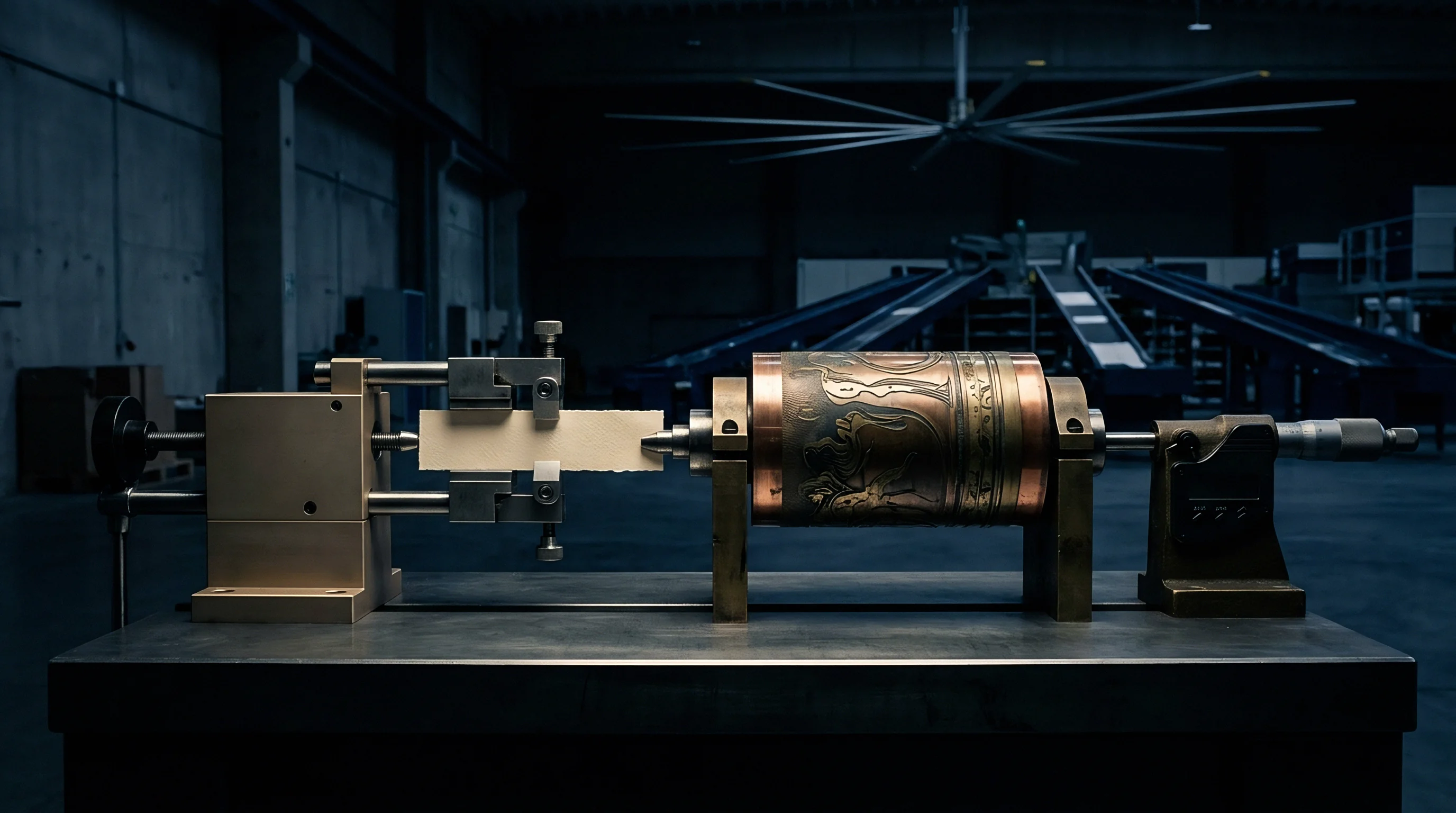
Separating low-molecular-weight volatile species from complex polymer extractives requires a capillary stationary phase engineered for thermal stability and low bleed. Gas chromatographs paired with flame ionization detectors (GC-FID) or mass spectrometers (GC-MS) use fused-silica capillary columns coated with non-polar or mid-polar stationary phases. A 5 percent phenyl, 95 percent dimethylpolysiloxane phase (DB-5MS equivalent) provides high separation efficiency for photoinitiator isomers and acrylate monomers.
Carrier gas selection impacts peak resolution and run duration. High-purity helium or hydrogen flowing at constant linear velocities between 30 and 45 centimetres per second carries vaporized extractives through the column phase. Splitless injection transfers low-concentration migrants efficiently into the column without sample discrimination.
Capillary Phase Selection for Photoinitiator Profiling
High molecular weight photoinitiators elute at temperatures exceeding 280 °C. Standard polyethylene glycol (Wax) columns experience phase bleed at elevated temperatures, interfering with mass spectral fragment assignment. Non-polar siloxane columns endure continuous thermal ramps up to 325 °C without bleeding, maintaining clear mass spectra baseline resolution. Polar compounds elute late.
Injector temperatures sit at 250 °C to volatilize target analytes instantly upon injection. Temperature programming begins at an initial oven hold of 40 °C to focus volatile solvents, followed by a controlled thermal ramp of 10 °C per minute up to 300 °C, holding for 10 minutes to clear heavy wax extractives.
Thermal desorption dwell time matches coating film thickness to prevent paperboard thermal degradation during gas injection.
Quantitation and Internal Standard Calibration
Flame ionization detectors offer linear response across five orders of magnitude for hydrocarbon chains and acrylate double bonds. Mass spectrometry operating in Electron Ionization (EI) mode at 70 electronvolts generates reproducible fragment patterns matching standard spectral libraries. Selected Ion Monitoring (SIM) mode isolates specific target ions, enhancing signal-to-noise ratios for low-level migrants down to parts-per-billion levels.
Blank runs prevent false positives.
Internal standards absorb instrument drift. Deuterated internal standards added during initial solvent addition compensate for extraction yield losses and minor injection volume variations.
Quantitation relies on comparing target peak area ratios against certified internal standard response factors established during initial column sequence calibration.

Dispute
Analytical laboratories frequently report divergent migration values for identical coated folding boxboard lots due to differences in substrate porosity and extraction kinetics. Bleached hardwood virgin fiber boards (SBS) absorb liquid overprint varnishes minimally, concentrating unreacted resins inside the upper coating layer where solvents access them easily. Recycled board grades contain porous center layers that absorb uncured acrylate monomers, trapping them away from quick surface extraction fluids while allowing slow migration over storage time.
Thermal stress during gas chromatography injection causes secondary chemical reactions inside the analytical chamber. High inlet temperatures can induce pyrolytic cleavage of residual oligomers, releasing free monomeric acrylates that did not exist in the cured coating on press. This thermal artifact inflates measured residual monomer values, triggering false non-compliance reports.

Oxygen Inhibition Gradients and Cure Depth Variance
Measuring average cure across the full coating depth masks surface conversion deficiencies. A coating layer exposed to high lamp intensity may achieve 98 percent cure at the board interface while retaining 15 percent unreacted monomers within the top 0.5 micrometres due to atmospheric oxygen contact. Bulk extraction methods average these two zones, underestimating surface-free volatile monomers that transfer to adjacent sheets in stacked pallets.
Cure depth varies continuously.
Set-off transfer presents another diagnostic complication. When freshly cured sheets stack under heavy hydraulic pressure at the delivery end of the press, uncured surface OPV transfers to the unprinted reverse side of the board sheet above it. Testing only the coated face misses reverse-side contamination that directly contacts packaged contents inside folded cartons.
| Extraction Fluid | Temperature & Time | Polymer Swell Rating | Acrylate Recovery (%) | Paperboard Fiber Extraction Level |
|---|---|---|---|---|
| 95% Ethanol | 60 °C / 24 Hours | High | 94.2 | Moderate Cellulose Extractives |
| Iso-octane | 40 °C / 4 Hours | Moderate | 81.5 | Negligible Matrix Background |
| Acetonitrile | 60 °C / 12 Hours | High | 89.0 | Low Substrate Interference |
| Water / Ethanol 50% | 40 °C / 10 Days | Low | 62.8 | High Fiber Swelling & Haze |

Substrate Sorption Traps
Clay-coated board surfaces modify coating film formation. High binder content in the board base coat reduces varnish penetration, keeping photoinitiators in the UV focal zone. Low-binder clay coatings absorb photoinitiator compounds deep into the substrate before the web reaches the curing lamps, shielding molecules from UV photons.
Matrix sorption absorbs migrants.
Substrate porosity changes kinetics. Uncured fractions bound within deeper board pores resist rapid 4-hour solvent extraction, only to elute slowly during 10-day storage compliance testing.
Higher substrate absorbency requires longer thermal equilibration before static headspace sampling to capture entrapped coating volatiles.
Threshold
Compliance declarations for food-contact packaging rely on analytical limits established under European Union regulations and global brand guidelines. Regulation EC 1935/2004 dictates that materials must not transfer constituents to food in quantities that endanger human health or bring about an unacceptable change in food composition. Regulation EU 10/2011 defines positive lists and Specific Migration Limits (SML) for listed chemical substances.
Unlisted substances, including photoinitiator degradation fragments, operate under a functional barrier concept or default toxicological threshold evaluation. Non-evaluated substances must remain below a strict analytical detection threshold of 0.01 milligrams per kilogram of food (10 parts per billion), requiring GC-MS instruments operating in high-sensitivity SIM modes.

Specific Migration Limits and Toxicological Assessment
Industry standards, such as the EuPIA Guideline on Printing Inks, set clear self-regulation boundaries for overprint varnish formulation. The Swiss Ordinance on Materials and Articles in Contact with Food (SR 814.018) lists evaluated photoinitiators with assigned SML values alongside non-evaluated substances restricted to the 10 ppb migration ceiling.
EN 13130 compliance testing mandates analytical sensitivity down to 0.01 mg/kg for unlisted photoinitiator cleavage products in food contact barriers.
Verification Dossier Construction
Converting practices establish legal compliance through detailed analytical dossiers supported by periodic chromatographic screening. A complete technical dossier documents initial ink and OPV chemical formulations, UV lamp maintenance logs, press speed settings, and certified GC extraction test reports.
- Statement of Composition confirms that all varnish raw materials appear on relevant positive lists, including Swiss Ordinance Annex 10.
- GC-MS Migration Test Report proves that total specific migration values remain below regulatory limits under standard testing conditions.
- Sensory Evaluation Certificate documents compliance with DIN 10955 organoleptic off-flavor and off-odor testing standards.
- Traceability Record Logs link specific print run production batches directly to raw material lot numbers and curing lamp output profiles.
Lamps lose intensity over time.
Article 3 of Regulation 1935/2004 alters packaging acceptance by making detectable sensory transfer a non-compliance event regardless of numerical migration limits.

Yield
Commercial print lines operating high-speed inline coaters balance web velocity against the financial risk of off-spec chemical migration. Running a sheet-fed offset press at maximum throughput reduces unit printing costs, but insufficient ultraviolet radiation per unit area leaves unreacted monomers, compromising compliance. Quality management systems establish statistical sampling rates to intercept uncured lots before finished folding cartons reach customer filling lines.
Laboratory testing carries explicit expenses. A single GC-MS extraction assay costs between $350 and $900 per sample, depending on whether testing covers volatile solvents or quantitative photoinitiator target profiles. Packaging converters running multi-sku food packaging jobs schedule representative extraction testing across press runs to balance testing fees against commercial exposure.

Inline Cure Monitoring and Operational Risk
Offline gas chromatography provides definitive analytical compliance data, but turnaround times range from 48 hours to 5 business days. During testing windows, printed converter pallets sit in quarantine storage, occupying warehouse floor space and delaying customer shipments. Quarantine holds cost money.
Converters implement proxy testing methods on the production floor. Surface energy dyne pens, solvent rub tests (methyl ethyl ketone resistance), and inline spectroscopic radiometric sensors track curing trends in real time. When an inline sensor flags a drop in ultraviolet lamp spectral irradiance below target millijoules per square centimetre, operators slow press speed or change lamp cassettes immediately.
Quarantine Economics and Process Control
Calculated risk management dictates holding high-risk food-contact packaging jobs until certified GC extraction testing verifies chemical safety. Rejecting a 50,000-sheet board run costs thousands in raw materials, substrate spoilage, press time, and scheduling delays. Implementing standardized extraction testing routines prevents off-spec finished stock from leaving the plant.
Thin films dry quickly. System calibration maintains control boundaries.
Line engineers continue to evaluate whether inline real-time spectroscopic curing sensors can eventually replace offline chromatographic extraction testing for real-time release.