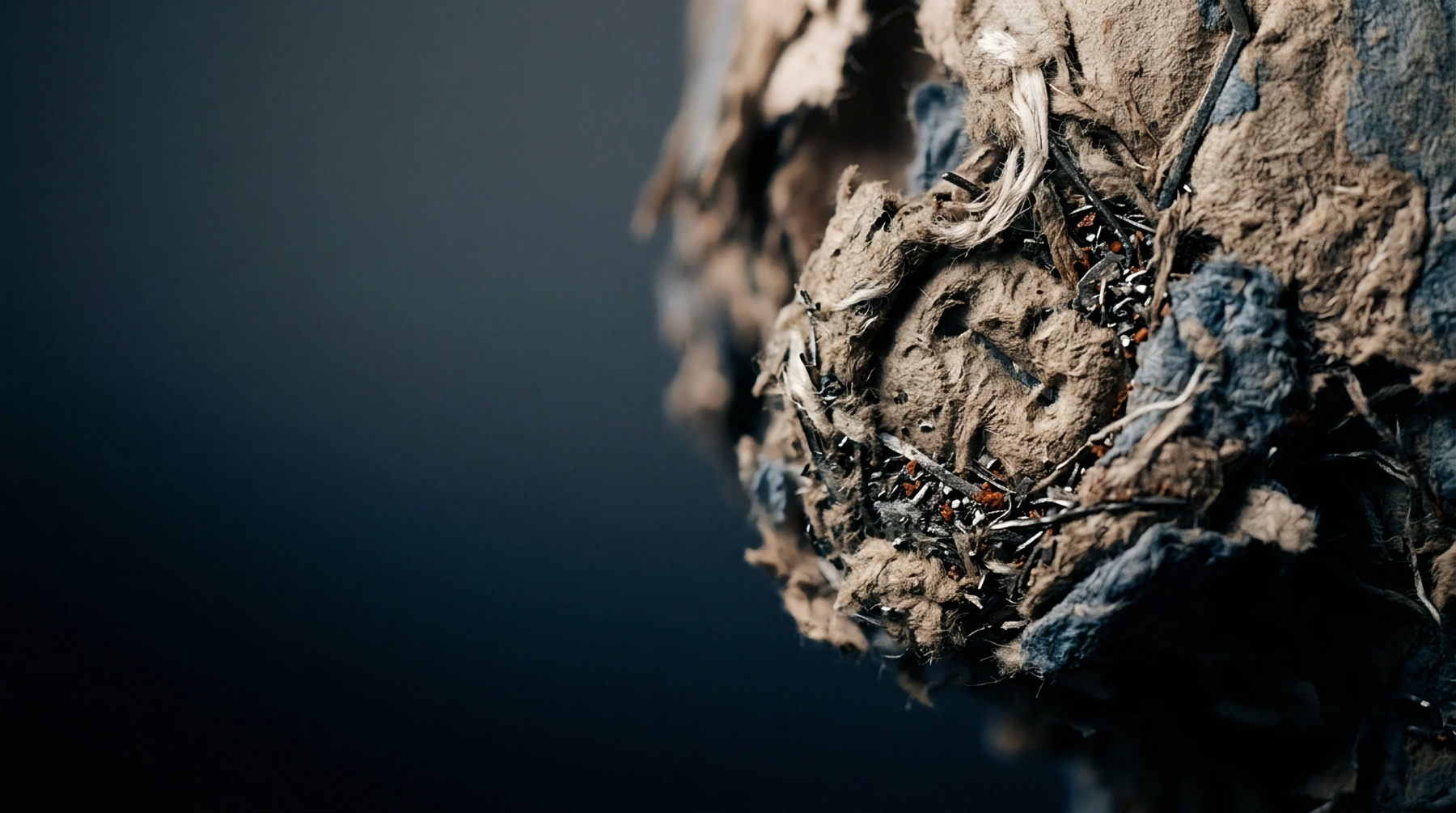
Thermal Residue
High-temperature incineration of paper samples isolates inorganic fillers and mineral coatings by burning off organic cellulose fibers. ISO 2144 ash content specifies the standard test method for determining non-combustible residue remaining after ignition at nine hundred degrees Celsius. Laboratory technicians use this gravimetric metric to quantify mineral loading in paper, paperboard, and pulp grades.
The standard stops applying to organic additives or synthetic polymer coatings that vaporize fully at high temperatures.
Gravimetric Measurement
Inorganic minerals, including calcium carbonate, kaolin clay, and titanium dioxide, enhance paper opacity and printability but alter sheet density. Following ISO 2144 ash content procedures involves weighing paper specimens in muffle furnaces before and after complete thermal oxidation. Furnace heating converts cellulose into carbon dioxide and water vapor, leaving mineral oxides as a residue.
Comparing residual mass to initial dry sample mass yields the percentage of inorganic content present in the paper structure. Mill quality control uses ash determinations to verify filler retention on the wire and coating weight application on coated packaging boards. Correct ash content balances optical brightness against internal bond strength loss caused by excessive mineral addition.
Testing records help mills verify contract specifications for mineral filled printing papers.
Testing Scope
Furnace temperature precision and crucible handling dictate measurement accuracy during high-temperature combustion. Executing ISO 2144 ash content testing requires accounting for chemical decomposition of specific minerals, such as calcium carbonate losing carbon dioxide at high temperatures. Lower temperature ash standards apply when measuring volatile inorganic components.
The method loses validity if samples absorb atmospheric moisture prior to post-combustion weighing.