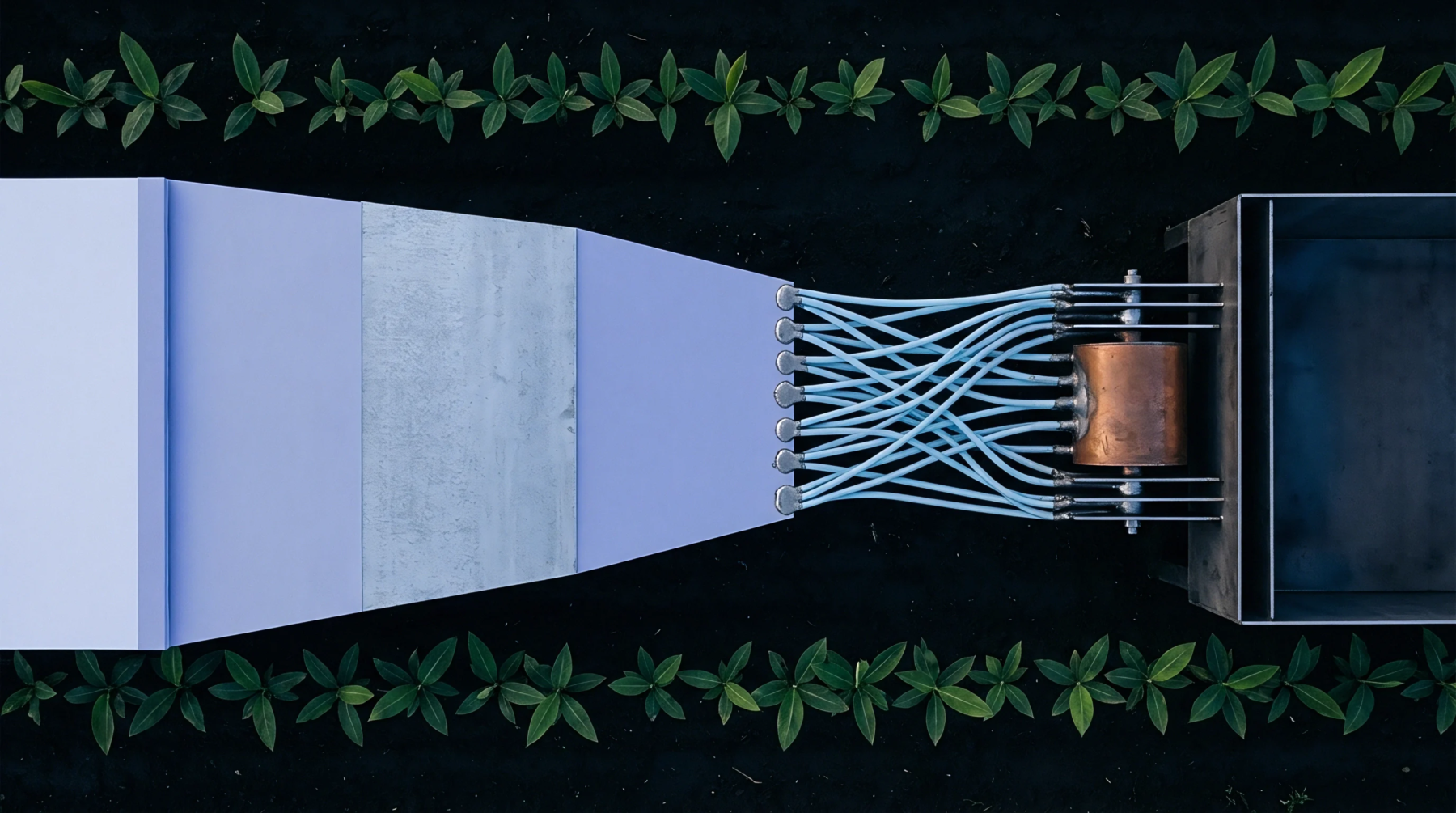
Capillary Penetration
Fluid transport mathematics calculates liquid movement through porous media by balancing viscous drag against capillary forces in microscopic channels. The lucas washburn model predicts penetration depth over time for Newtonian liquids moving through cylindrical capillaries. Mathematical derivations apply square root timing to liquid absorption rates across paper and board substrates.
Surface tension drives spontaneous wetting into porous structures while viscosity restrains liquid velocity. Caliper variations and fiber orientation alter actual penetration rates away from theoretical predictions. Capillary radius and contact angle determine liquid penetration kinetics during sizing tests and ink jet printing processes.
Surface Sizing
Sizing chemicals alter capillary walls to modify liquid absorption during coating applications and printing operations. Hydrophobic sizes increase contact angles between aqueous fluids and cellulose fibers to retard penetration speeds. The lucas washburn model guides formulators in selecting sizing additions that prevent excessive liquid strike through on packaging grades.
Porous structure collapse during calendering reduces effective capillary radii and alters liquid absorption profiles. Sizing distribution uniformity controls print density and prevents feathering along fine lines on coated stocks.
Wetting Dynamics
Contact angle hysteresis creates discrepancies between advancing and receding liquid fronts during dynamic wetting measurements. Porous media compression restricts capillary pathways and decreases permeability coefficients for high speed converting lines. The lucas washburn model assumes cylindrical pore geometries that deviate from irregular interstitial voids found in real paper sheets.
Swelling fibers alter pore dimensions during fluid uptake and invalidate steady state permeability assumptions. Dynamic contact angle measurements improve penetration predictions for water based adhesives applied to absorbent paperboard substrates.