Refractive Relief Surface
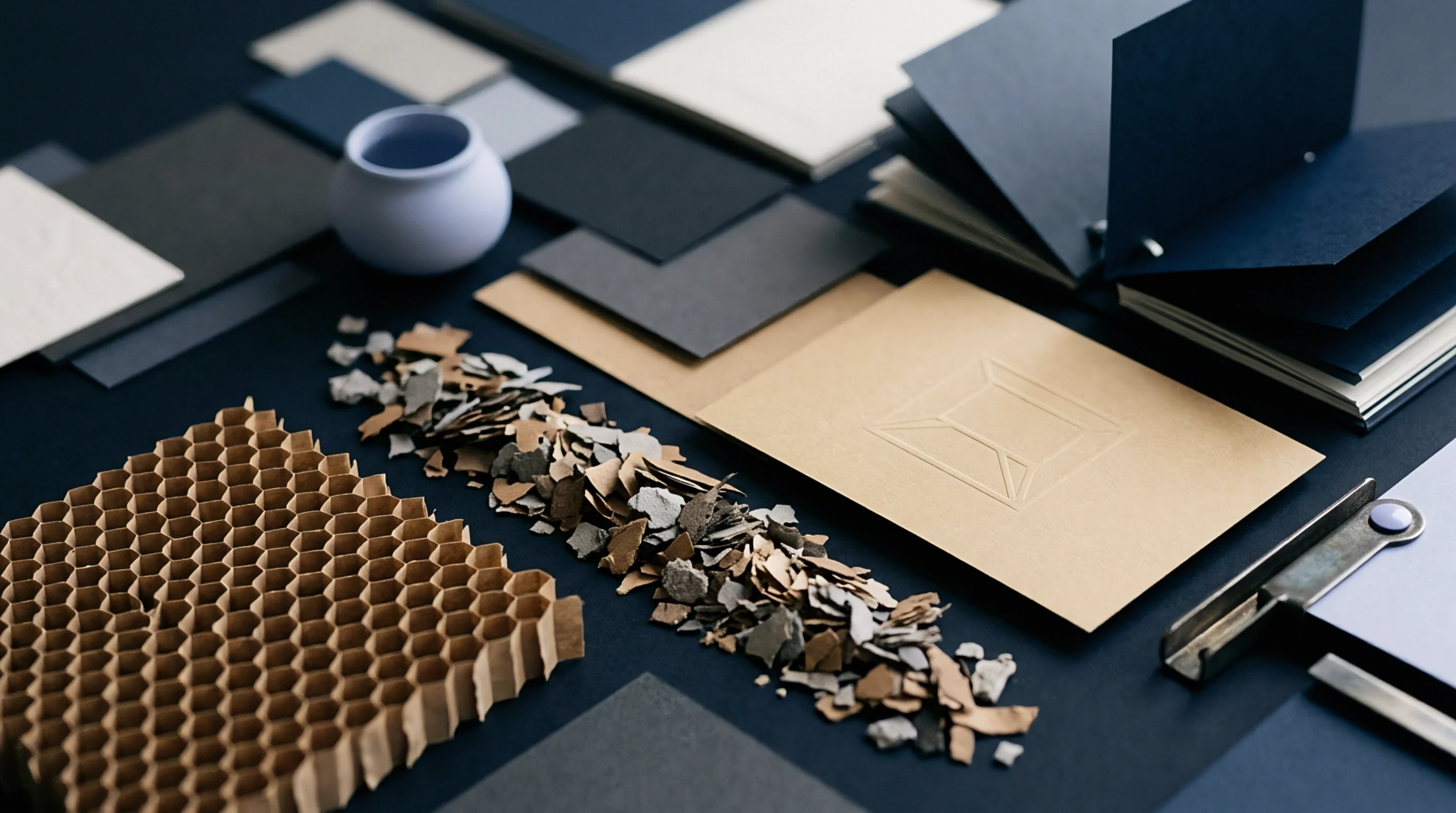
Evaluated against macro embossing depth limits, sub millimeter surface engraving alters light reflection and surface tactile properties without disturbing structural paperboard integrity. Precision micro-embossing texture employs sub millimeter line patterns engraved onto metal dies to diffract light and produce tactile depth on folding cartons. Packaging designers apply this surface treatment to enhance shelf appeal and deter counterfeiting on premium packaging stocks.
Structural application boundaries stop at shallow depth thresholds where micro patterns cease to displace base paper fibers beyond the coating layer.
Microscopic Tooling Geometry
Laser ablation and chemical etching create micro grooves ranging from five to fifty micrometers in depth. When transferred onto metallic foil or coated paperboard under high pressure, these fine line arrays reflect light at varying angles to create dynamic visual effects. Press setup demands precise impression adjustment to prevent crushing fine line crests during transfer.
Counter dies are frequently omitted, relying instead on hard backing plates to concentrate force along shallow line peaks.
Coating Interference Limit
Excessive varnish layers or heavy film laminates obscure fine relief patterns by filling micro grooves after press impression. Fluid coatings flood shallow valleys, smoothing the surface and eliminating light refraction properties. Converting lines apply protective overprint varnishes before micro embossing or select low viscosity formulations that preserve detailed surface geometry.