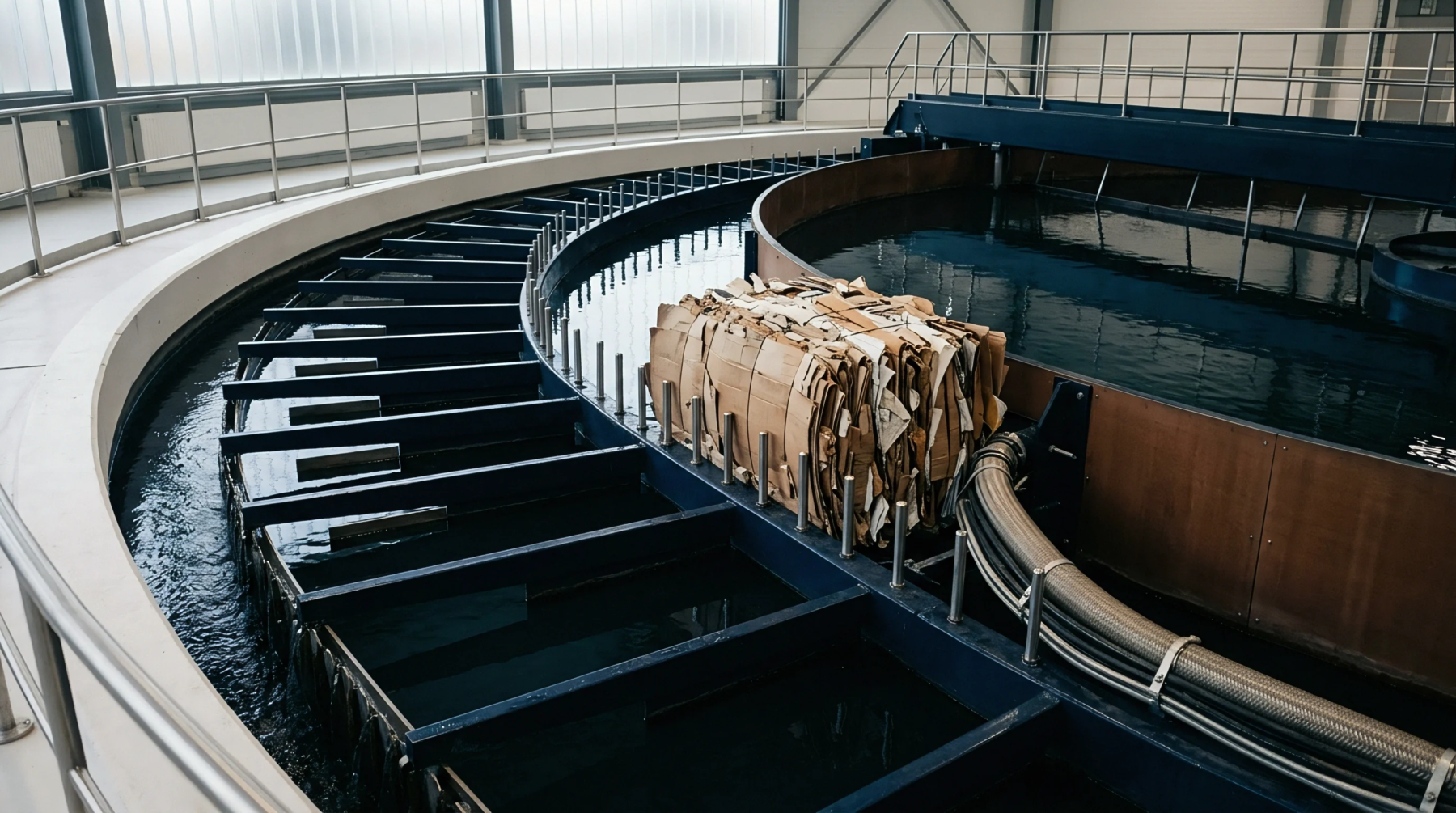
Fibre Retaining
Raw pulp processing relies on chemical addition rates to prevent excessive degradation during alkaline pulping stages, where nitrogen determination establishes the exact quantity of ammonia and proteinaceous residues present in recycled paper stocks. Secondary paper mills measure ammoniacal compounds to control bleaching chemical consumption and prevent unexpected yellowing during high-speed drying cycles on fourdrinier machines. Residual organic fractions interfere with wet-end sizing agents by consuming alum before cellulose fibres bond, which leads to weak corrugated medium and delamination under high humidity.
Laboratory technicians digest dried board samples using concentrated sulfuric acid alongside copper catalysts to convert organically bound fractions into ammonium sulfate before titration. High-precision burettes dispense sodium hydroxide to neutralize the digest, and the resulting volumetric consumption reveals total bound content with a relative error margin under zero point five percent.
Resin Curing
Coated paper production depends on amino resins to anchor wet-strength additives onto cellulose matrices, so quantitative estimation of residual nitrogen ensures cross-linking reactions reach completion before winding rolls onto storage cores. Converting plants track unreacted hardener levels to avoid formaldehyde release during hot-foil stamping and thermal lamination processes where temperatures exceed one hundred degrees Celsius. Excess hardener remaining in the coating layer embrittles folding carton crease lines, causing surface cracking when packaging designers specify sharp nine-degree bends for pharmaceutical boxes.
Production managers adjust tunnel dryer dwell times when titration results indicate incomplete polymerization within the pigmented topcoat layer.
Barrier Integrity
High-barrier food packaging structures utilize polyamide layers to prevent oxygen migration through dry food cartons, meaning nitrogen determination verifies polymer stoichiometry to guarantee shelf life specifications for vacuum-packed dry goods. Extrusion coaters monitor amide additive concentrations to maintain uniform slip properties during high-speed bag-making operations on rotary converting lines. Inadequate polymer density permits moisture vapour transmission, which softens corrugated transport boxes and causes stacking failure during long-distance maritime freight distribution.
Analytical results provide the verifiable quality documentation required by converter audits to prove compliance with food contact safety regulations across international supply chains.