Fibre Provenance
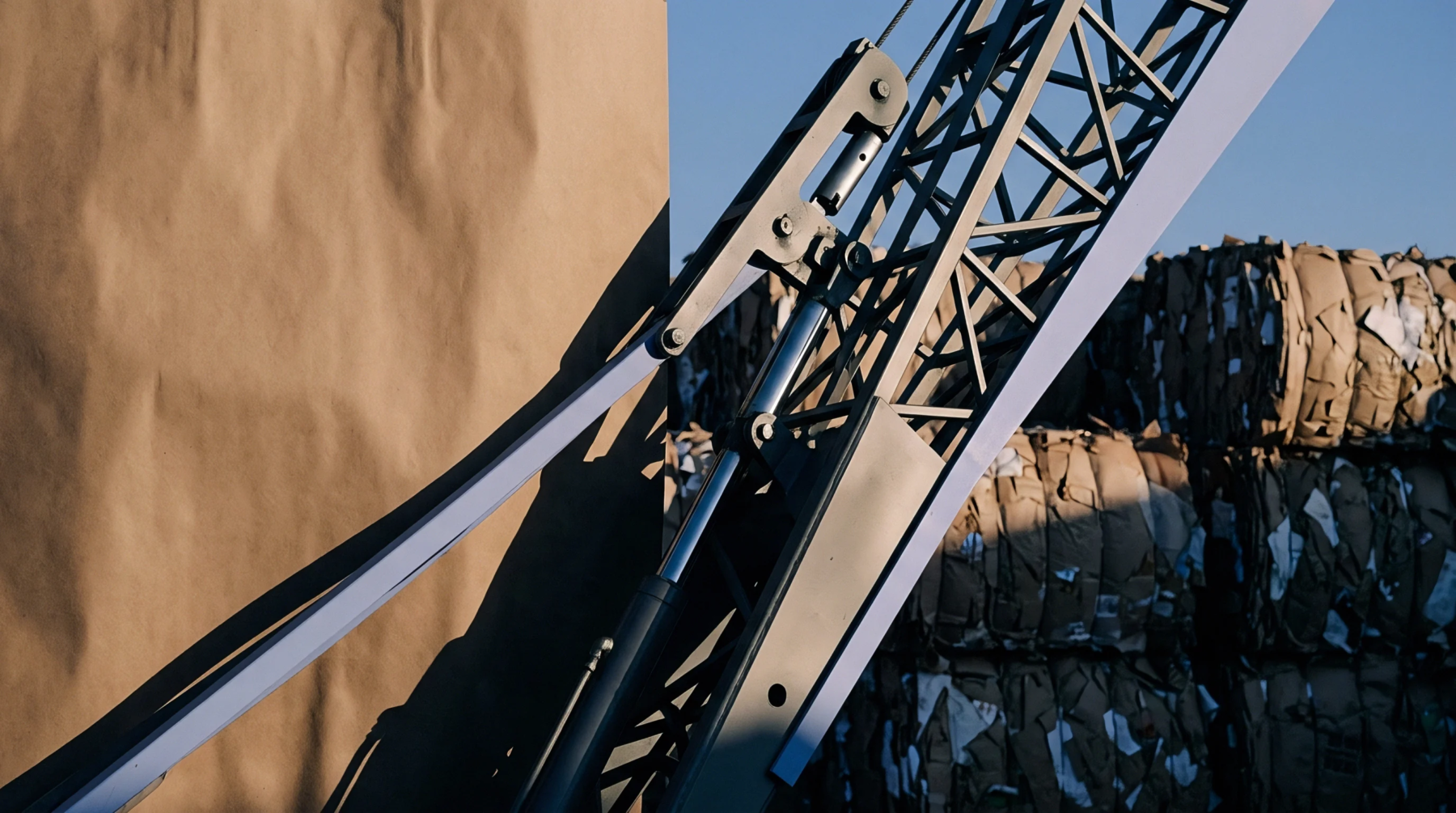
Recycled paper products provide the raw material stream for paperboard manufacturing when sorted from municipal or commercial waste collection cycles. Occ containerboard utilizes this recovered supply to produce corrugated liners and fluting, separating the cellulose mass from contaminants like adhesives, plastic films, or wax coatings. Mills process these materials through pulping units that screen out non-fibre components to stabilize the slurry before it flows onto the forming wire.
Standard production protocols demand high consistency in fibre length to ensure the resulting sheet retains the structural rigidity required for shipping cartons.
Supply Specifications
Procurement teams grade this input based on the concentration of contaminants present within the bale. Low levels of prohibitive materials allow for higher operational speeds on paper machines because fewer breaks occur during the sheet forming process. Manufacturers calculate the yield based on the ratio of recovered fibre to the original dry weight of the input stream, adjusting chemical additives to compensate for the strength loss inherent in previously processed fibres.
High humidity or excessive moisture in incoming shipments reduces the usable mass, forcing facilities to account for water weight when pricing the procurement of these secondary materials.
Performance Boundaries
Box strength depends on the cumulative effect of secondary fibre processing cycles which shorten the fibre strands and diminish the bonding capacity between them. Consistent testing determines the crush resistance and burst strength of the output to ensure compliance with transport regulations for load-bearing containers. Engineers adjust refining levels to counteract the reduction in individual fibre length, attempting to maintain structural integrity despite the age of the recycled stock.
A high density of short fibres creates a brittle medium that fails under compression testing more rapidly than board produced from virgin wood pulp.