Barrier Matrix
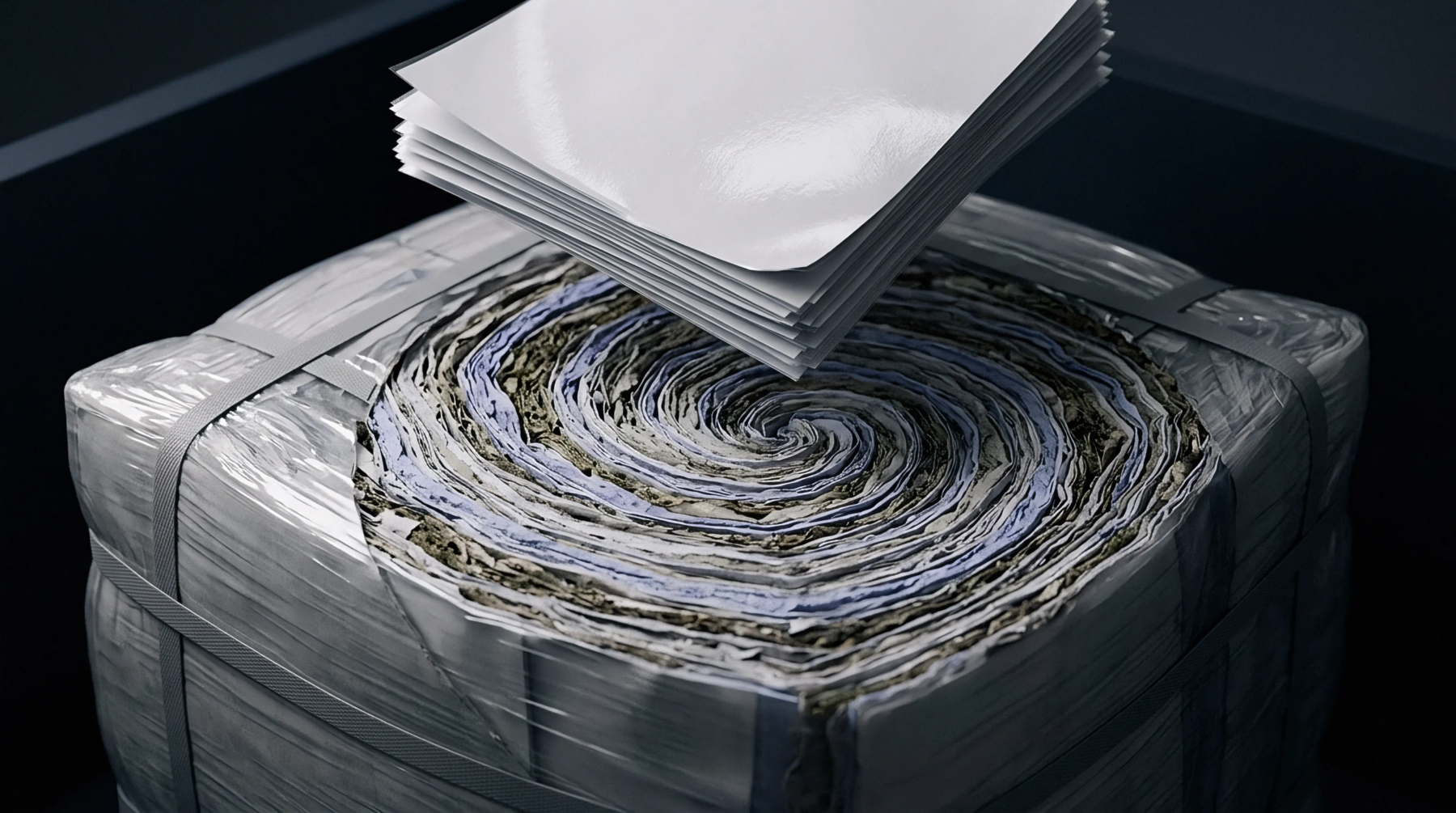
Barrier matrix physics governs the spatial separation required to stop moisture vapor and gas migration through corrugated containers. Packaging isolation mechanics determines the exact millimeter distance between internal product boundaries and exterior board facings to stop atmospheric degradation during long sea transits. Structural designers calculate fluting crush resistance alongside adhesive cure rates to predict whether a corrugated wall holds its thickness under stack loads.
Ambient humidity shifts alter cellulose fiber dimensions, meaning that a board caliper dropping below baseline tolerances destroys vapor barriers entirely. Converting mills control moisture content during drying to lock paper geometry before die cutters apply crease scores.
Diffusion Resistance
Diffusion resistance measures the transit time of gas molecules passing through combined board layers. Packaging isolation mechanics manages this permeability by sealing micro gaps at glue line interfaces where folding cartons bend. Polymer coatings applied during extrusion block oxygen transfer, protecting sensitive food contents from oxidation throughout warehouse storage cycles.
Laboratory testing chambers subject sample boxes to extreme vapor pressure differentials, recording the exact hour moisture breaches the inner linerboard. High grammage kraft liners slow gas penetration effectively, but improper creasing cracks the barrier film and ruins the containment rating.
Vapor Gradient
Vapor gradient management dictates the boundary conditions where internal desiccant capacity balances external moisture pressure. Packaging isolation mechanics utilizes sealed foil pouches inside corrugated outer cases to stop ambient humidity spikes from reaching dry goods. Desiccant packs absorb residual air moisture trapped during sealing, preventing condensation from forming on metal components during temperature drops.
Polyethylene films laminated to heavy paper stocks create airtight compartments, stopping moisture migration even when outer boxes soften in damp holds. Precise adhesive application along flap seams secures the perimeter against gas leaks, ensuring internal climate stability until final unpacking occurs.