Load Stability
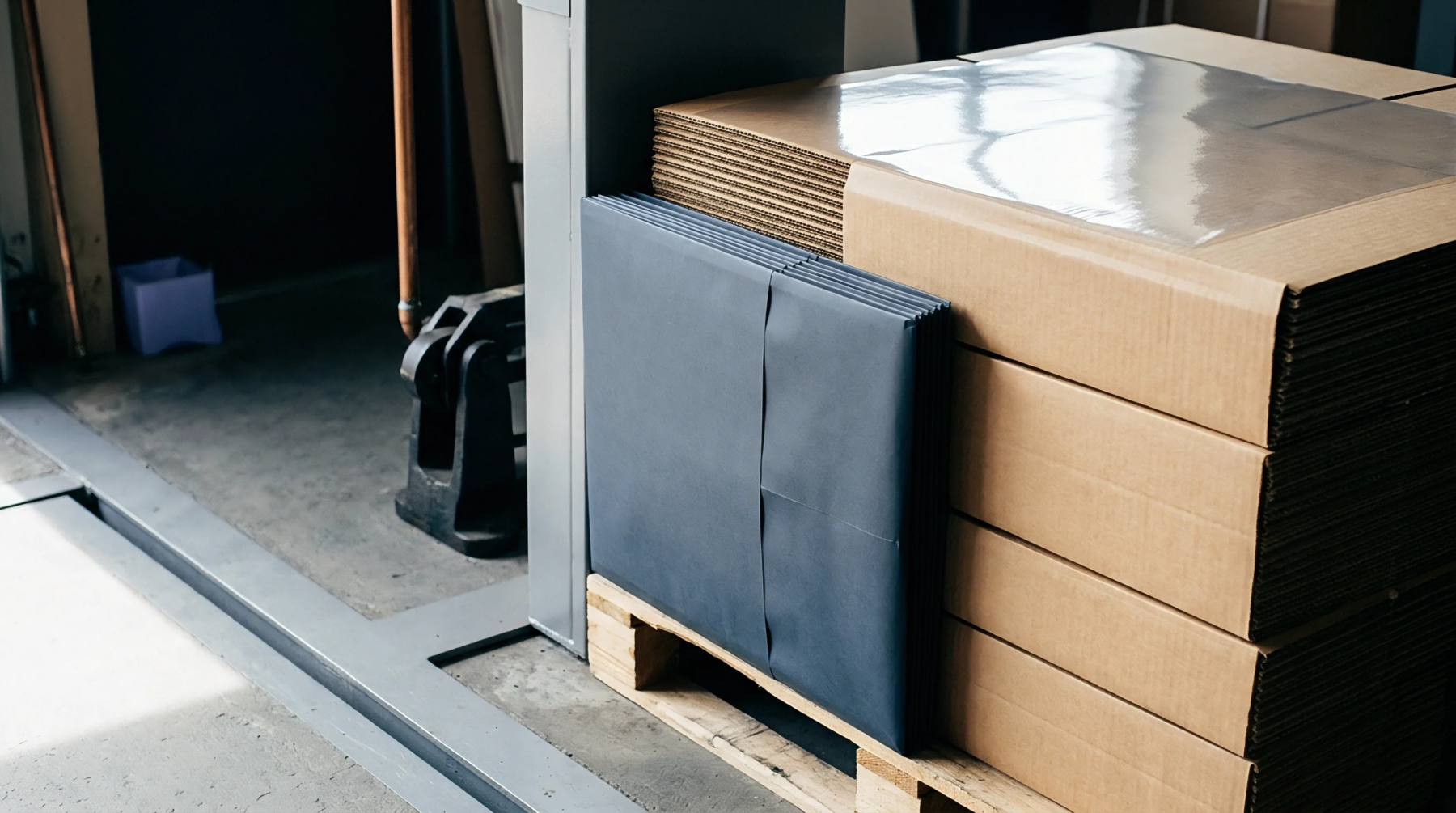
Vertical alignment of packaging units defines the structural integrity of a shipping base. Pallet column stacking refers to the placement of containers directly atop one another to ensure that vertical load-bearing walls carry the total weight of a shipment. This orientation transfers force through the corrugated fluting or rigid walls of the boxes rather than across the surface area of the lid.
Optimal vertical alignment prevents compression fatigue in lower levels of a stack by keeping the centre of gravity aligned over the stringers of the wood platform.
Compression Resistance
Corrugated fibreboard possesses different strength characteristics depending on the orientation of the flutes. When boxes undergo column stacking, the vertical flute direction maintains maximum resistance to the downward pressure exerted by subsequent tiers of goods. Staggered or interlocking patterns shift the load onto the horizontal flaps, which lack the rigidity required to support heavy inventory.
Such misalignment causes the sidewalls to bow or collapse as the board loses its crush resistance under sustained weight. Practitioners monitor these geometric arrangements to prevent product damage within warehouse storage environments where temperature and humidity fluctuations weaken paper substrates.
Shipping Efficiency
Maximum utilization of the trailer floor space occurs when units align perfectly in columns. Uniform geometric patterns permit the dense arrangement of inventory and simplify the calculation of total weight per square foot for transport compliance. Carriers verify that the footprint of the combined layers remains within the perimeter of the base to avoid overhanging edges that compromise box integrity.
Correct vertical integration reduces the risk of vibration damage during transit across varied terrain. Stable columns remain upright even when lateral forces act against the shipment during sudden maneuvers.