Production Mechanics
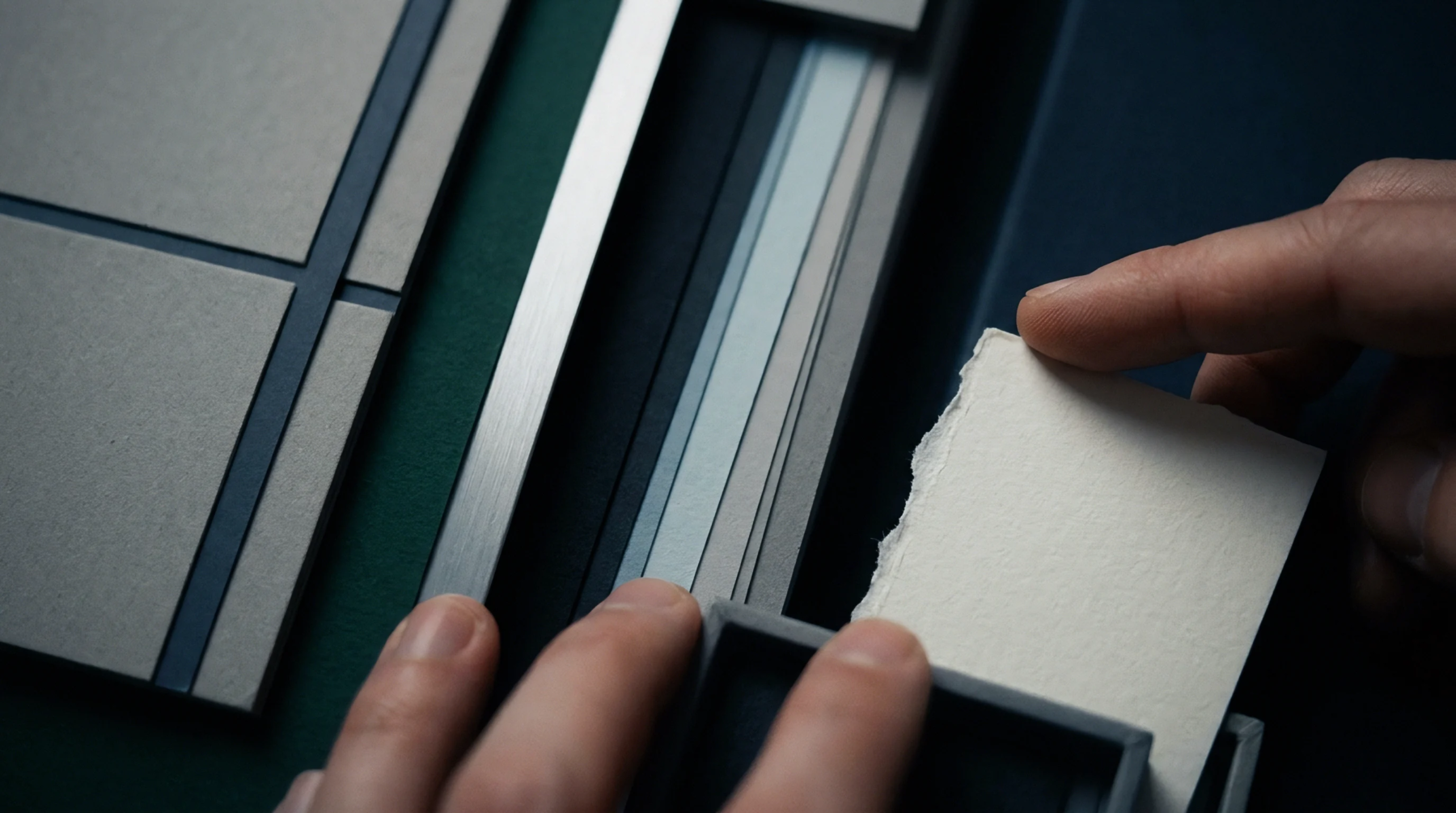
Transformation of raw industrial stock into specific shapes or functional configurations defines paperboard converting. This sequence of manufacturing activities shifts planar fibre webs toward three-dimensional utility through deliberate removal, folding, and surface alteration. Precise cutters adjust the physical profile to meet volume capacity or structural stability requirements.
Die machines exert sufficient force to create score lines for reliable hinges during rapid packing cycles.
Material Manipulation
Operations prioritize the preservation of fibre integrity while imposing deformation or removal patterns. Caliper thickness dictates the limit of folding depth because excessive stress initiates fibre delamination within the substrate. Coating layers remain subject to adhesion standards during high speed friction, which requires careful control of thermal set times.
Printers apply inks or barrier films after surface preparation prevents capillary absorption from bleeding through the sheet architecture. Heavy duty glues ensure that structural seams hold under the weight of intended contents without failure.
Quality Tolerances
Specifications govern the deviation allowed from the nominal design dimensions and structural strength of the finished item. Standards exist to hold converters accountable for consistent caliper, board density, and crease depth across large manufacturing lots. Variable tension settings along the production line establish the necessary clearance for machinery to receive the finished units without jamming.
Consistent tension control prevents warping or bowing in the boards before they reach the filling facility. Each tolerance threshold accounts for the eventual stress the item faces inside a supply chain.