Fiber Fibrillation
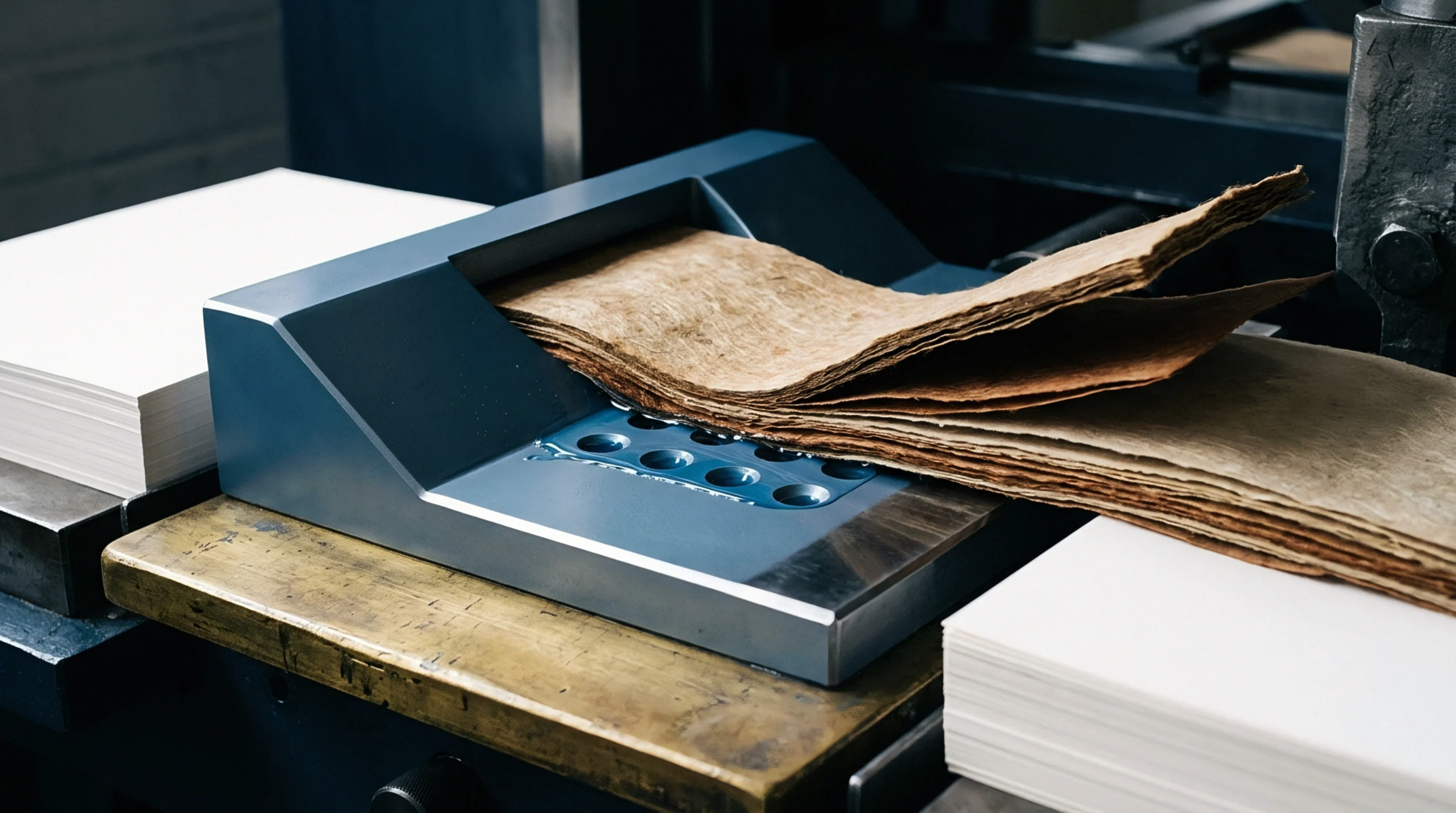
Mechanical processing applied to cellulose slurries under controlled laboratory loads changes individual cell walls so that specific surface area and bonding potential rise sharply. PFI refining provides a standardized method for evaluating pulp stock quality before paper machine conversion occurs by measuring how mechanical work alters drainage resistance and tensile strength. Standardized cylindrical housings contain a rotating grooved metal roll operating against a smooth weighted interior wall at fixed speeds and clearance gaps.
Pulp suspension flows through the narrow gap between rotating elements, experiencing high shear forces that peel primary walls and expose internal fibrils without cutting wood fibers into shorter fragments. Laboratory operators record total revolutions required to reach target frap levels, producing reproducible beating degrees that mill technicians translate directly into industrial refiner settings for commercial packaging grades.
Drainage Resistance
Water retention values climb steadily as mechanical treatment breaks external cell structures, creating denser networks that alter fluid flow through forming fabrics on high speed paper machines. PFI refining alters specific surface area so drastically that drainage times increase, demanding precise optimization on multi layer board lines where heavy basis weights require rapid initial water removal before pressing stages. Slower dewatering rates affect sheet consolidation during wet pressing, modifying capillary pressure gradients and directly influencing final caliper and porosity targets demanded by folding carton converters.
Board manufacturers monitor Schopper Riegler numbers derived from treated pulps to predict drying energy consumption across cylinder sections, preventing web breaks caused by moisture retention imbalances in heavier packaging substrates.
Tensile Development
Interfiber bonding capacity increases proportionally with mechanical work input because exposed microfibrils form hydrogen bonds during thermal drying stages that govern structural integrity in corrugated containers. PFI refining transforms weak fiber suspensions into high strength matrices capable of resisting rigorous bursting and tearing stresses encountered during automated case erection and pallet stacking operations. Converting plants rely on these laboratory generated strength curves to verify pulp supplier specifications before accepting large volume shipments for premium linerboard production.
Laboratory handsheets tested under controlled atmospheric conditions reveal exact tensile index maximums achievable for specific pulp furnishes, establishing upper performance limits for finished packaging materials without risking fiber degradation.