Alignment Variance
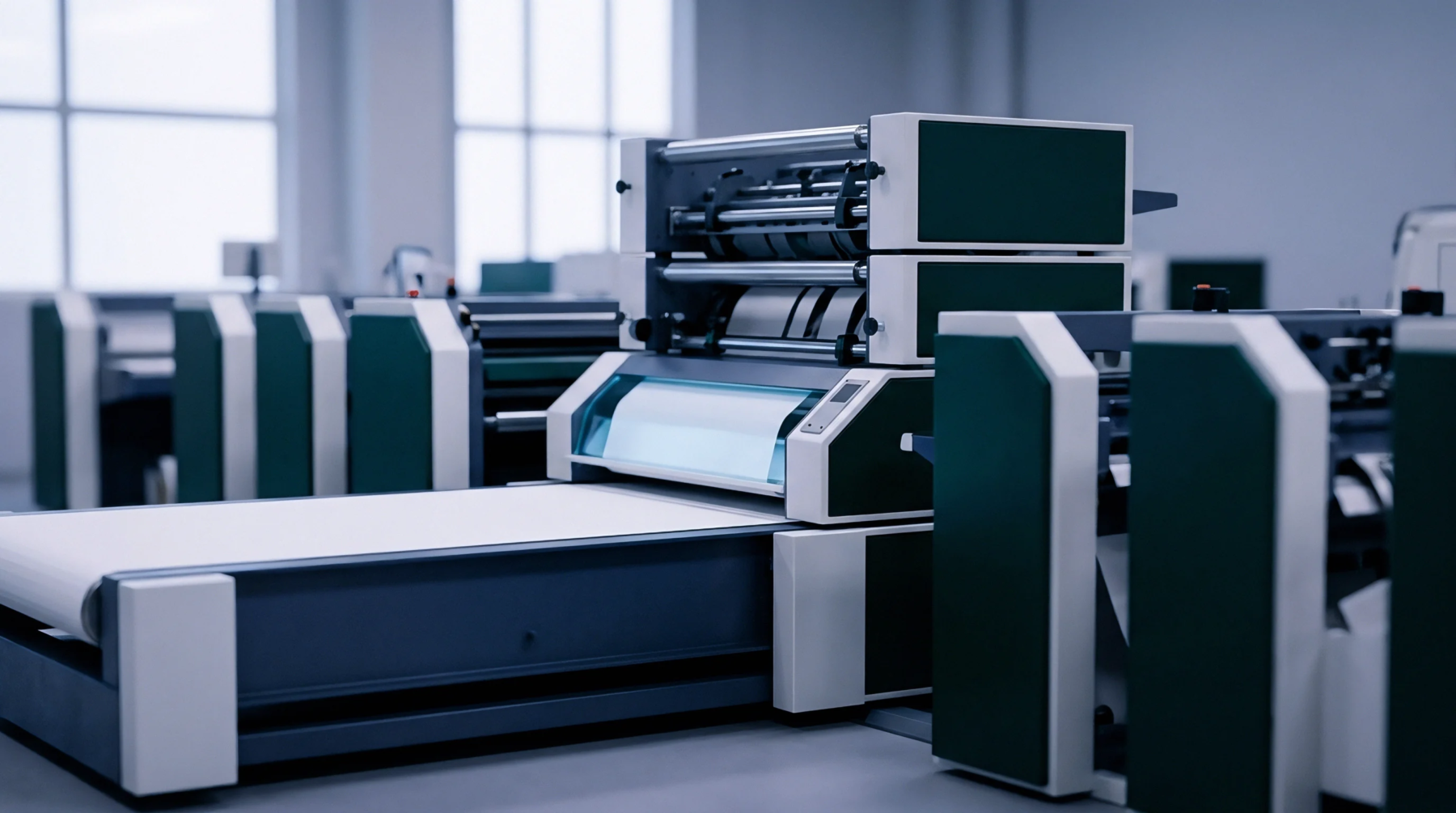
Oscillatory interference patterns within high-speed converting machinery govern the precision of automated register control systems. Phase shifting defines the temporal offset between two periodic signals that direct the mechanical actuators responsible for precise print placement. Adjusting this time delay allows the drive motors to compensate for variations in substrate stretch or web tension without stopping the press.
Correction Dynamics
Electronic timing circuits modulate these waveforms to realign the color stations during production runs. Sensors monitor the position of printed marks on the moving stock and transmit data back to the central controller. The system calculates the gap between the expected signal and the arrival of the actual sensor pulse.
High resolution encoders trigger the necessary change in drive shaft velocity to advance or retard the print cylinder. Constant feedback loops maintain this synchronized movement to prevent blurred images or color misalignment. Small mechanical deviations vanish when the control logic effectively modifies the electrical frequency delivered to the individual servo motors.
Operational Tolerance
Tight registration requires that the hardware maintains sub-millimeter accuracy through fluctuating line speeds. Mechanical wear in gear trains or heat expansion in drying sections necessitates periodic calibration of the electronic delay settings. Limits exist on the range of shift possible before the system exceeds the physical travel of the register compensator rollers.
Correct settings ensure that the printed output satisfies commercial requirements for graphical clarity and structural integrity. Stable phase parameters remain the primary constraint upon the output quality of multicolor rotary equipment.