Barrier Coating Formulations for Suppressing Gas Phase Food Contamination
Water-based barrier coatings containing tortuous mineral platelets suppress gas-phase mineral oil migration when dry coat weights reach continuous film thresholds.

Volatiles
Non-polar hydrocarbons and light aromatic molecules migrate through cellulose fiber matrices via vapor-phase desorption and inter-fiber diffusion. In recycled paperboard packaging, volatile organic compounds originate predominantly from residual offset printing inks, recycled newsprint adhesives, photoinitiators, and degradation products of fatty acids. Atmospheric equilibrium within closed package headspaces causes these compounds to sublime or vaporize from the board core into the internal gas space, subsequently sorbing into dry food matrices such as cereal, rice, or powdered dairy goods.
Vapor pressure drives flux. The rate of gas-phase contaminant transfer depends directly on the saturated vapor pressure of the permeant, its thermodynamic activity in the substrate matrix, and the ambient temperature of the packaging environment. Low-molecular-weight saturated hydrocarbons in the carbon number range of C10 to C24 exhibit sufficient volatility at standard ambient conditions to breach non-barrier paper packaging within days. Controlling gas phase contamination demands converting line strategies that alter the partition coefficient between board and headspace or introduce a impermeable mass-transfer boundary.

Gas Phase Transport Dynamics in Recycled Packaging
Paperboard manufactured from recovered paper fiber contains residual offset printing inks containing aliphatic mineral oil saturated hydrocarbons and aromatic mineral oil aromatic hydrocarbons. These substances do not remain permanently bound to recycled cellulose fibers. At room temperature, lighter fraction hydrocarbons continuously vaporize into the pore channels of the paperboard network.
Transport through the open porous structure occurs via Knudsen diffusion, where gas molecule collisions with pore walls happen more frequently than intermolecular collisions.
| Permeant Species | Molecular Weight Range (g/mol) | Vapor Pressure at 40°C (Pa) | Dominant Transport Mechanism | Sorption Affinity to Fiber |
|---|---|---|---|---|
| Saturated Hydrocarbons (MOSH C10-C24) | 142 – 338 | 0.01 – 12.5 | Vapor phase Knudsen diffusion | Low hydrophobic partition |
| Aromatic Hydrocarbons (MOAH C10-C24) | 128 – 310 | 0.05 – 18.2 | Vapor phase Fickian diffusion | Moderate aromatic pi-stacking |
| Photoinitiators (Benzophenone) | 182.2 | 0.003 | Thermally assisted sublimation | High retention on lignin |
| Printing Solvents (DIPN isomers) | 212.3 | 0.008 | Inter-fiber Knudsen flow | High lipid solubility |
| Degradation Aldehydes (Hexanal) | 100.2 | 1200.0 | Free gas phase convection | Negligible fiber binding |
Porous fiber networks provide virtually zero resistance to gas-phase transport once molecules enter the vapor state. Uncoated boxboard with high air permeability ratings permits rapid equilibrating gas streams to pass directly through the sheet caliper. Coating formulations engineered to suppress gas transfer must consequently seal these inter-fiber voids to transition the transport regime from Knudsen pore diffusion to solution-diffusion within a dense continuous polymer matrix.
Continuous barrier layers on recycled board prevent vapor condensation before molecular diffusion takes hold.
Vapor Phase Partitioning of Mineral Oils and Photoinitiators
Chemical species residing in the paperboard matrix partition between solid substrate fibers, trapped liquid residues, and interstitial air voids. The partition coefficient dictates the concentration of chemical species available in the gas phase at any given thermodynamic equilibrium state. Temperature spikes during warehousing or transit accelerate vaporization rates, sharply elevating partial pressures inside the package envelope.
Gas molecules migrate rapidly. Photoinitiators such as benzophenone and isopropylthioxanthone exhibit high boiling points yet maintain measurable gas-phase transport over extended storage windows. When food contact materials lack an effective barrier pass, volatile photoinitiators desorb from the outer printed carton surface, migrate through the board caliper, and deposit onto package contents. Mitigating this risk demands surface barrier formulations that present thermodynamic solubility parameters mismatched to non-polar migrant chemistries.
Failure to isolate low-boiling mineral oil fractions results in batch off-flavor rejection, organoleptic spoilage of dry food packs, and immediate destruction of stock commercial value across retail distribution.
Formulations
Aqueous dispersion polymers combined with crystalline mineral platelets create extended diffusion paths within thin barrier films. Water-borne formulations present an environmentally scalable alternative to extruded polyolefin laminates, provided the dry film achieves structural continuity. Polymer selection balances chain mobility, glass transition temperature, and polar functional group density to minimize the solubility and diffusion coefficients of target organic vapors.
Film defects leak vapor. Achieving complete gas-phase suppression requires dense molecular packing within the applied coating film. Hydrophilic polymers rich in hydroxyl or amine groups establish intense hydrogen-bonding networks that severely restrict free volume micro-voids, effectively blocking the physical movement of non-polar gas molecules through the dry pass.
Polymer Binders and Tortuous Path Fillers
Synthetic vinyl alcohol copolymers deliver low oxygen and vapor transmission rates when fully dried on dense paperboard bases. Polyvinyl alcohol matrices build tight crystalline domains that resist penetration by large hydrocarbon molecules. High degree-of-hydrolysis grades yield superior barrier performance due to maximized intermolecular hydrogen bonding, though they demand precise temperature management during batch dilution and run-tank preparation.
- Polyvinyl Alcohol Hydrogel Systems Synthetic vinyl polymers supply dense hydrogen-bonded lattices that suppress non-polar gas molecules, maintaining baseline barrier integrity down to low dry coat weights.
- Microfibrillated Cellulose Composite Coatings Nanoscale cellulose networks form interlocking physical webs that obstruct vapor transport paths while maintaining mechanical strength during carton scoring.
- High Aspect Ratio Talc Dispersion Systems Platy silicate minerals suspended in acrylic matrices force gas molecules into circuitous lateral paths, increasing effective path length across thin coating passes.
- Bio-Based Starch Grafted Copolymers Chemically modified starches blended with synthetic latices balance gas suppression with pulper breakdown during recycling cycles.
Inorganic platy pigments embedded within the polymer binder force migrating gas molecules to traverse a circuitous route around each obstacle. High-aspect-ratio talc and kaolin clays aligned parallel to the substrate surface dramatically increase the effective path length of the barrier layer. Talc platelets align horizontally. A ten-fold increase in tortuosity reduces gas flux proportionally without requiring excessive chemical coat weight additions that induce web curl or brittle score cracking.
Rheology Control for Pin-Hole Suppression
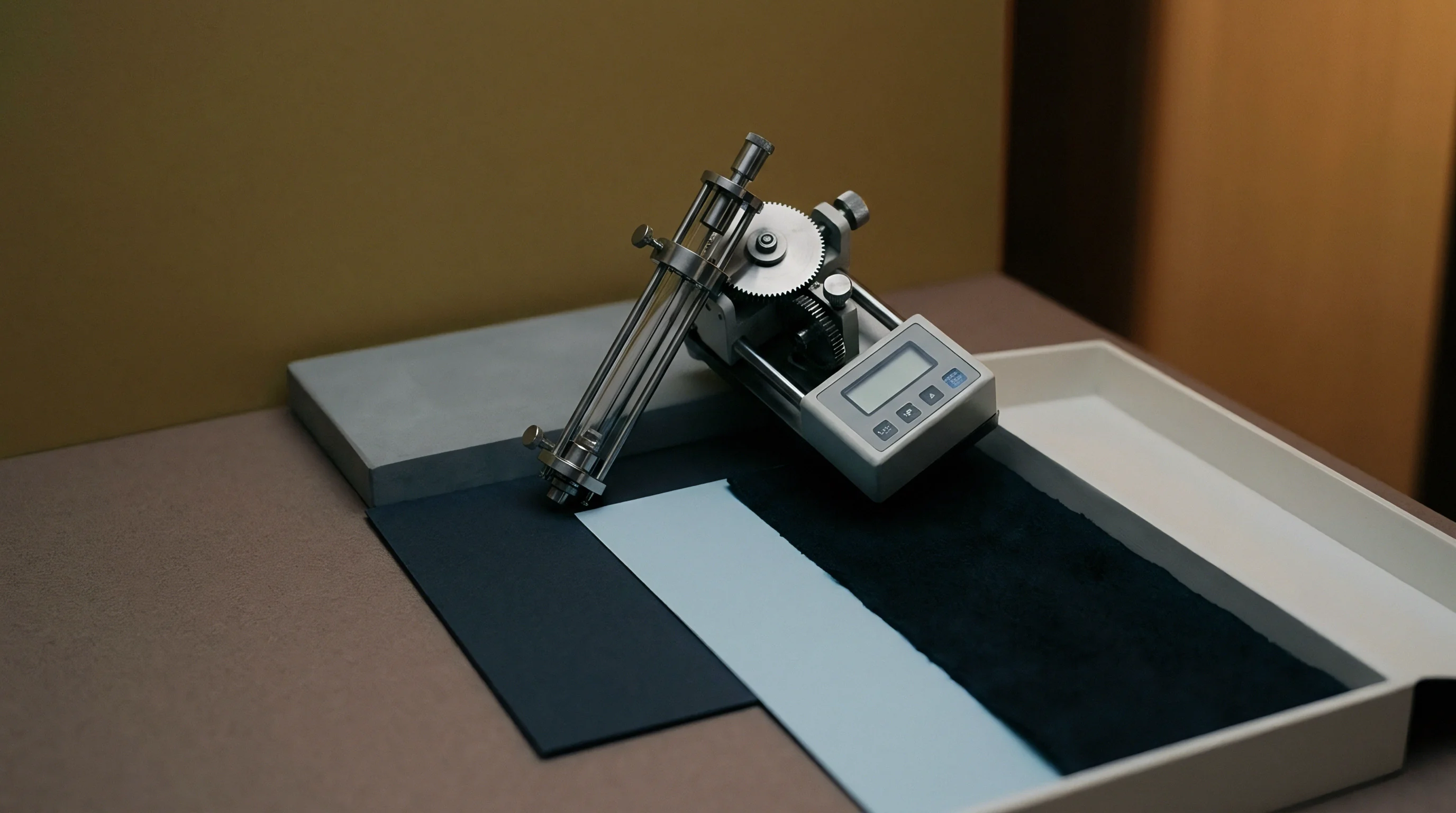
Viscoelastic modifiers maintain stable wet film levelling under high-shear application rollers. Coating formulations running at high web speeds endure severe shear stresses beneath metering blades and metering rods. If the liquid formulation exhibits shear-thinning behavior without adequate thixotropic recovery, surface tension forces cause wet-film retraction before drying, leaving microscopic pinholes across fiber peaks.
Viscosity drops under shear. Surfactants and rheology modifiers added to barrier dispersions prevent film foaming while optimizing wet surface levelling. Dynamic surface tension must match the surface energy of the base substrate to guarantee immediate wetting. Excess surfactant loading disrupts polymer chain packing upon drying, creating localized high-free-volume zones that compromise long-term gas phase containment.
Chemical suppliers frequently attribute early gas breakthrough to substrate surface variability rather than addressing batch-to-batch surfactant migration or inadequate crosslinking density in the supplied dispersion.


Pore
Cellulosic substrates present irregular micro-void distributions that drain wet liquid films into the interior sheet structure. Substrate porosity, surface roughness, and liquid absorbency dictate whether an applied coating remains on the surface to form a continuous barrier or sinks into the fiber matrix. Uncontrolled liquid absorption leaves elevated fiber tips exposed above the coating layer, creating physical breach points for gas transport.
Substrate Holdout and Fiber Topography
Calendering paperboard prior to chemical coating compresses surface fibers and elevates holdout efficiency. Smooth base sheets with low Bendtsen or Parker Print-Surf roughness values allow uniform metering of thin barrier passes. High-absorbency papers with high Cobb values pull water rapidly out of wet dispersion coatings, triggering premature immobilization before the liquid film levels into a continuous layer.
Crease flexibility specifications under ISO 5626 dictate maximum strain limits before micro-fracturing breaches gas phase barrier continuity.
Paperboards absorb free liquid. Pre-coating baseboards with starch derivatives or acrylic primers seals open pore structures and establishes a uniform surface energy profile. Primer passes prevent selective binder absorption into the substrate, preserving the designed pigment-to-binder ratio of the secondary barrier coat. Fibers swell under water. Pre-sealing porous substrates lowers the total dry coat weight needed to attain target gas transmission rates.
Crease Integrity under Mechanical Deformation
Score lines formed during folding carton conversion subject thin barrier layers to high elongation stresses. When a carton blank folds 180 degrees along a score line, the outer surface coating experiences tensile stretch while the inner layer undergoes compressive shearing. Brittle barrier coatings with high mineral pigment loadings split along the crease axis, instantly destroying barrier continuity.
Creasing stresses the layer. Formulating flexible barrier layers requires polymer binders with glass transition temperatures calibrated slightly below room temperature or the addition of non-migratory plasticizers. Polymer chain mobility allows the dry film to elongate across the score line without micro-fracturing. Crosslinking agents must preserve film elasticity while preventing block adhesion inside pre-printed rolls during storage.
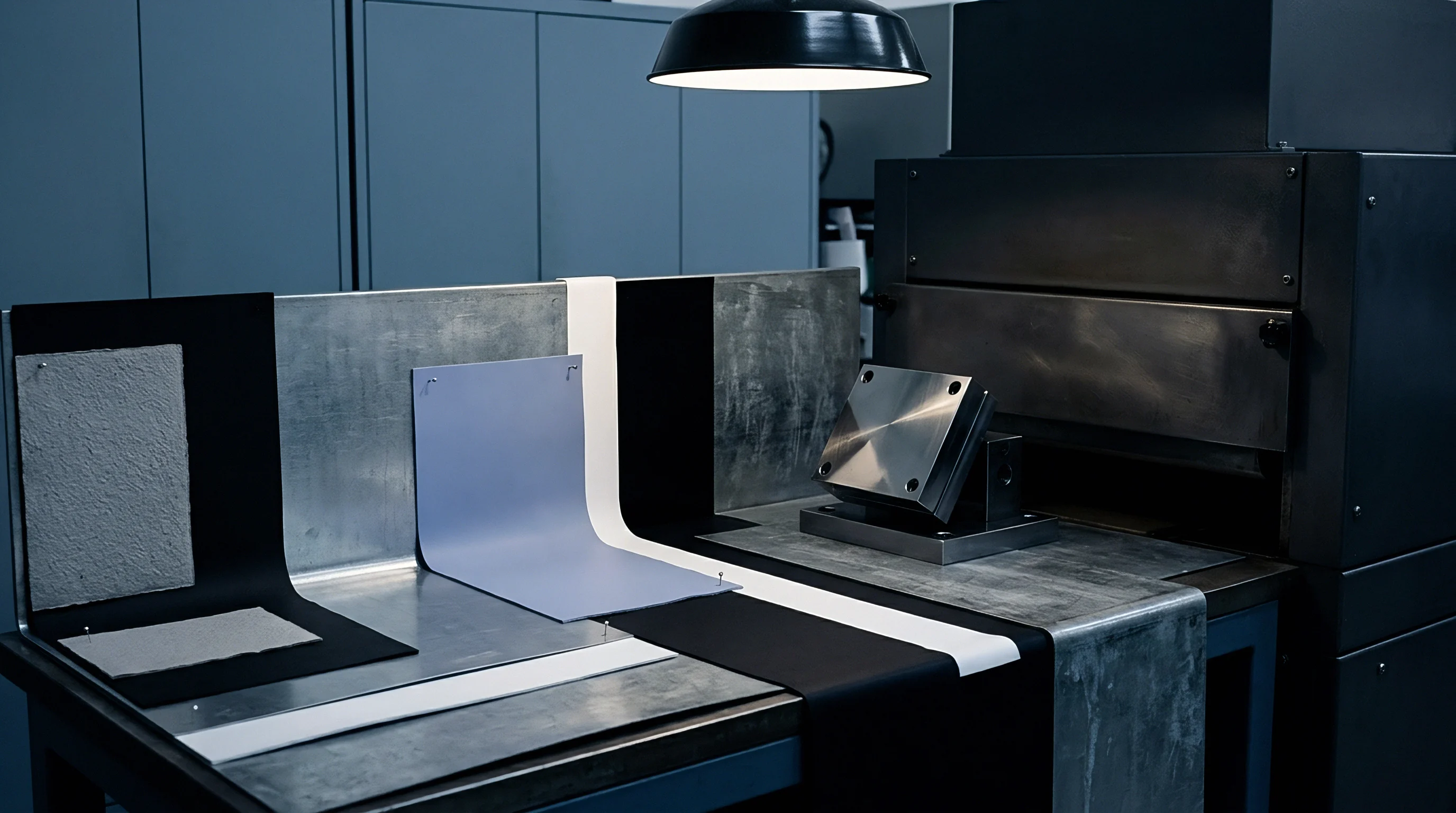
Double-coating a rough sheet using a sealing primer before applying the barrier pass prevents fiber pinholes far more effectively than building up a single heavy coat weight.

Application
Metering aqueous barrier dispersions onto moving paper webs demands precise control of liquid film thickness and drying thermal ramps. Converting lines utilize varied application geometries to achieve defect-free coating passes at commercial production speeds. The selected application method directly governs wet film levelling, shear exposure, and pinhole frequency across the finished roll.

Coating Line Geometry and Metering Precision
Blade and rod coaters apply distinct hydrodynamic pressure pulses that dictate liquid penetration into surface void structures. Metered size presses apply uniform film splits to both sides of the sheet simultaneously, making them suitable for high-speed primer applications. Air knife coaters deposit smooth, uniform-thickness films across irregular substrate topographies without compressing the underlying sheet structure.
| Metering System | Maximum Run Speed (m/min) | Solids Limit (% weight) | Dry Weight Target Range (g/m²) | Pinhole Susceptibility |
|---|---|---|---|---|
| Bent Blade Metering | 1200 | 55 – 65 | 4 – 8 | Moderate under high web speed |
| Smooth Metering Rod | 600 | 40 – 52 | 5 – 10 | Low on smooth baseboards |
| Air Knife Coater | 350 | 30 – 42 | 3 – 7 | Very low across rough surfaces |
| Single-Head Curtain Coater | 1000 | 45 – 58 | 6 – 14 | Minimal on non-porous primers |
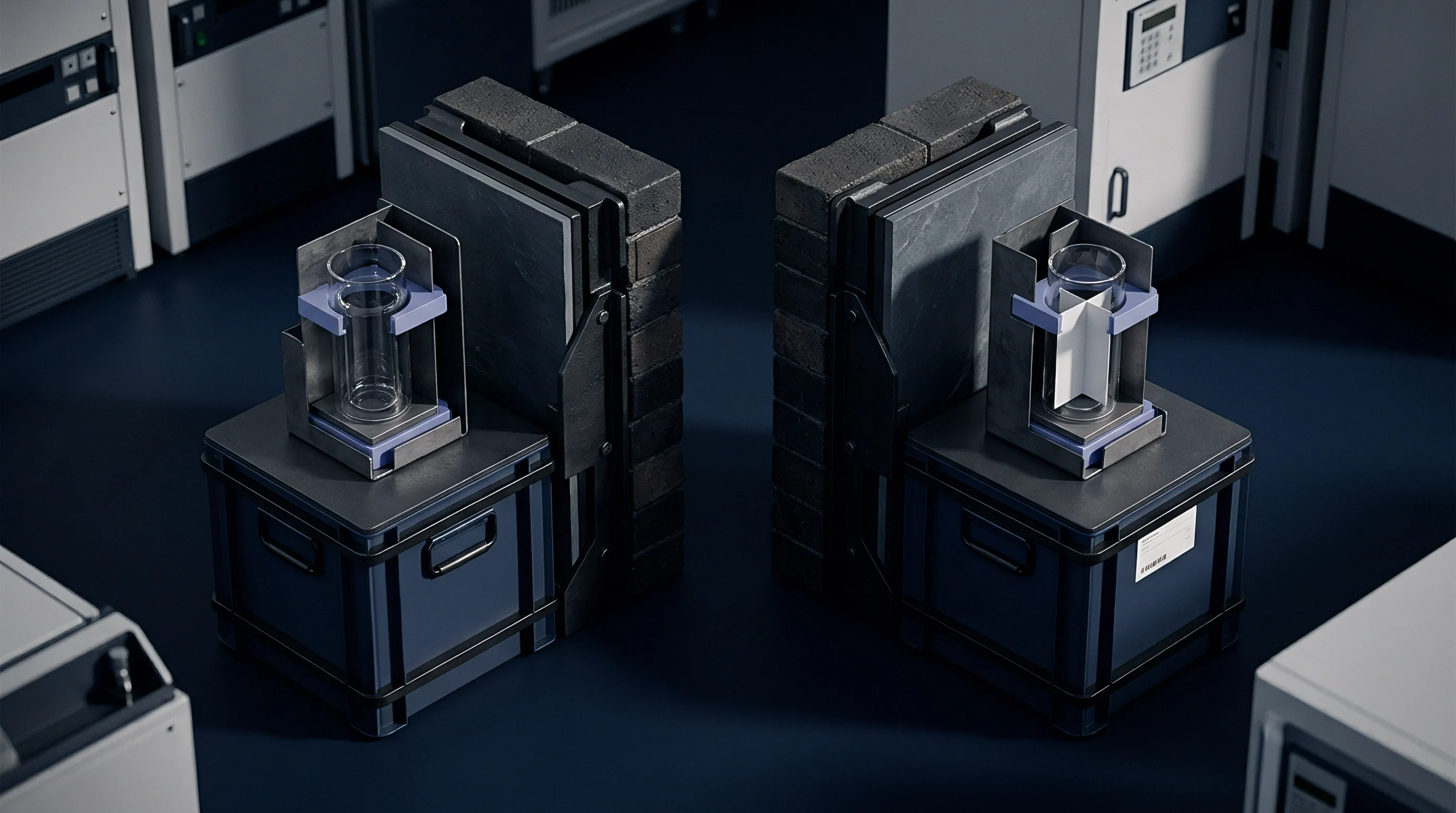
Curtain coating delivers a continuous, non-contact liquid curtain directly onto the moving web. This method avoids mechanical blade contact that can fracture surface fibers or cause streaks. Maintaining curtain stability requires strict formulation control to prevent edge pulling or curtain breakages caused by air entrapment at high line speeds.
Coating speed alters shear.
Thermal Drying Profiles and Skinning Avoidance
Infrared emitters combined with air impingement zones prevent premature surface gelation during early solvent evaporation stages. Applying excessive heat immediately after the coater head causes rapid water evaporation at the wet film surface, forming a dense polymer skin. Heat drives vapor flux. Trapped water vapor beneath this sealed skin subsequently boils out during downstream drying sections, creating microscopic pinholes that ruin gas barrier performance.
Solvent evaporation leaves voids. Graduated drying profiles apply low thermal energy in initial dryer zones to permit continuous film levelling and gradual solids consolidation. High-velocity hot air impingement completes water removal in final dryer sections, locking polymer chains into dense crystalline configurations. Web temperature monitoring ensures the coating reaches its minimum film-forming temperature without scorching cellulosic fibers.
Where Do Mineral Oil Hydrocarbons Penetrate Water-Based Coatings?
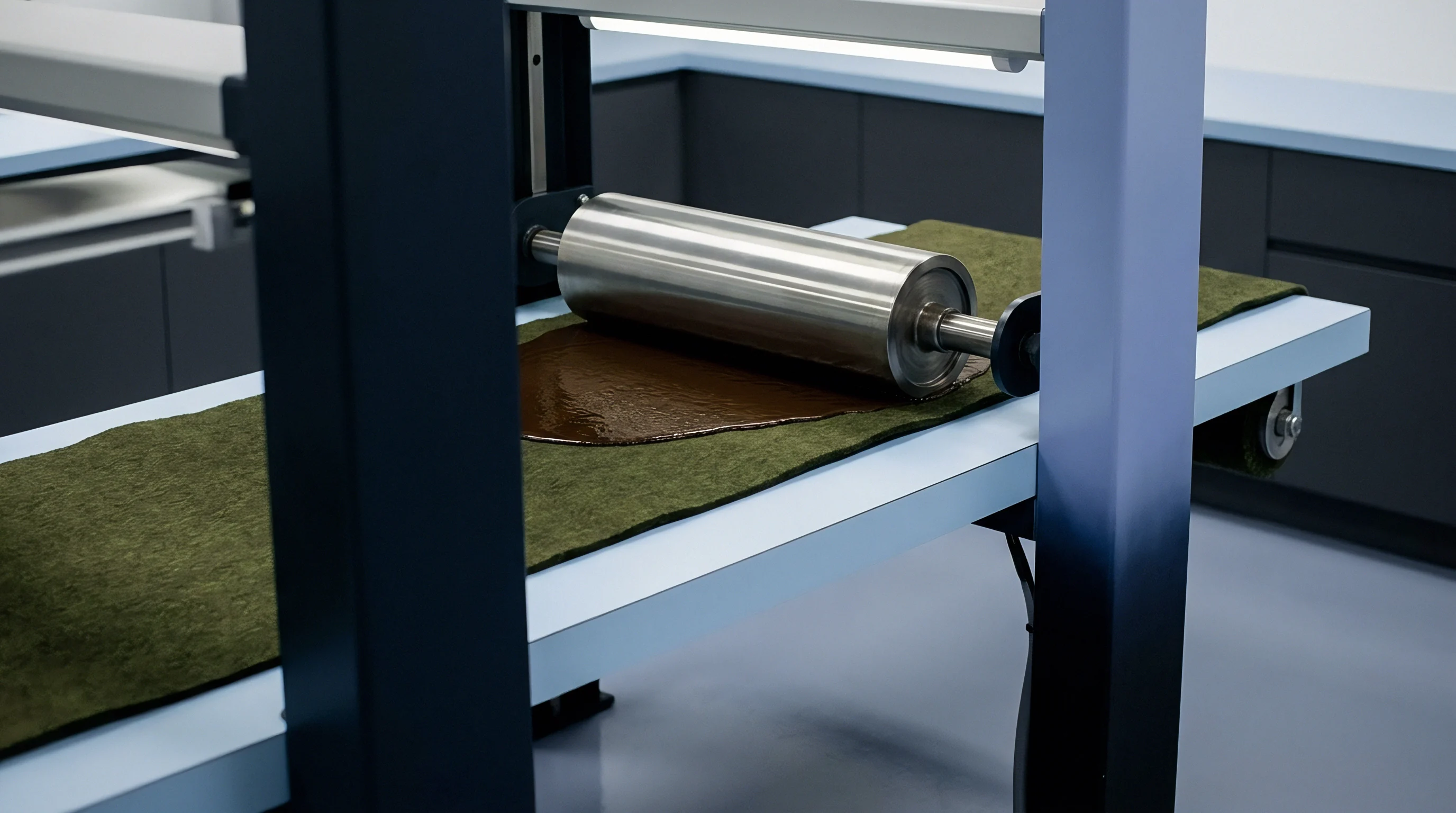
Pin-hole defects and un-coated fiber tips serve as low-resistance pathways for gas-phase hydrocarbons across the barrier envelope. Microscopic inspection demonstrates that vapor-phase breakthrough occurs preferentially at locations where surface topography spikes exceed the dry film thickness. Inadequate film levelling over high-roughness recycled fibers yields localized thin spots where gas transport reverts from slow matrix diffusion to rapid convective flow.
Consider a 350 g/m² recycled folding boxboard coated with a single 6 g/m² pass of acrylic dispersion containing 20% talc. If web speed increases from 400 m/min to 700 m/min without adjusting dryer air velocity, wet coating temperature drops below the minimum film-forming threshold prior to final moisture elimination. Micro-voids form around pigment clusters, elevating gas-phase mineral oil transmission rates from 0.4 mg/m²/day to over 14.2 mg/m²/day under standard test conditions.
Pinhole formation ruins holdout. Adding a second metering pass of 3 g/m² over a dense primer seals film discontinuities. Dual-pass coating strategies eliminate pinhole alignment between layers, forcing volatile molecules to diffuse through homogeneous polymer regions. Surface tension governs wetting. Inter-pass drying control prevents re-wetting and phase separation between base and top coats.
Food packaging supply agreements explicitly incorporate Annex I of European Commission Regulation 10/2011, establishing legally binding functional barrier compliance standards for gas-phase contaminant mitigation.
Testing
Chromatographic analysis paired with modified gas permeation cells measures vapor transmission rates across barrier coated board samples. Standard liquid migration testing fails to simulate gas-phase transfer kinetics accurately because direct liquid contact swells cellulose fibers and alters polymer free volume. Verification protocols rely on gas phase headspace extraction and solid adsorbent traps to quantify gas barrier efficiency over time.
Headspace Adsorption Protocols Using Polyarylene Ether
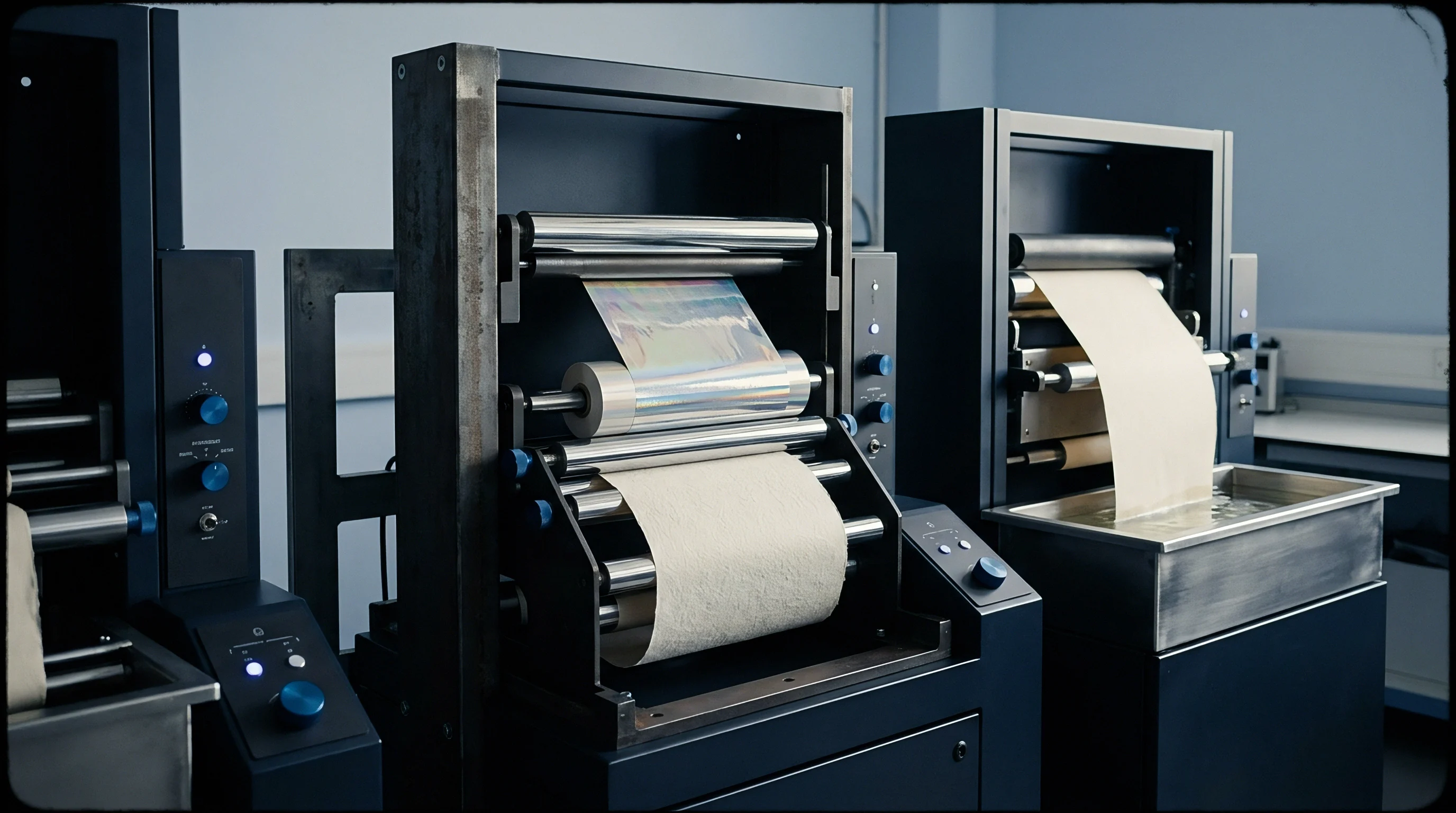
Modified poly(2,6-diphenyl-p-phenylene oxide) polymer beads trap volatile organic substances released from recycled paperboard during thermal conditioning cycles. The coated paperboard sample acts as a barrier partition separating a spiked contaminant donor substrate from an clean adsorbent receptor layer inside a sealed migration cell. Elevated temperatures accelerate volatile desorption to yield quantifiable migration figures within practical laboratory testing windows.
- Condition the barrier coated board sample in an isolated thermal cell at 40 degrees Celsius for 240 hours against a Tenax receptor substrate.
- Extract the adsorbed volatile compounds from the polymer receptor using hexane solvent desorption under ultrasonic agitation.
- Inject the concentrated solvent extract into a gas chromatograph coupled to a flame ionization detector.
- Integrate mass signal peaks against calibrated alkane reference standards between C10 and C39 molecular chain lengths.
Adsorbent media collection isolates gas-phase transport cleanly from physical contact transfer. Operating testing cells at 40°C or 60°C correlates with long-term ambient storage conditions over six to twelve months. Cold rolls freeze flow. Test protocols must verify that thermal acceleration does not melt crystalline polymer domains, which would artificially distort permeability values relative to room-temperature storage.
Chromatographic Quantification of Mineral Oil Fractions
Flame ionization detection separates saturated and aromatic hydrocarbon fractions into distinct chromatogram humps for precise concentration calculation. Liquid chromatography pre-separation splits the extracted mixture into distinct MOSH and MOAH fractions prior to gas chromatography injection, eliminating interference from natural plant waxes or synthetic adhesive components.
Mineral oil vapor breakthrough remains below 0.6 milligrams per kilogram of packaging foodstuff after 10 days exposure at 40 degrees Celsius.
Integrating the total area beneath the chromatographic unresolved complex mixture hump quantifies total mineral oil content. Chromatographic resolution must differentiate between internal mineral oil contaminants originating from recycled paperboard cores and external volatile migrants originating from ambient warehouse air. Calibrated surrogate standards like bicyclohexyl and cholestane ensure high extraction recovery rates across complex testing matrices.
Whether dynamic thermal cycling during real-world transcontinental freight destabilizes micro-crystalline barrier structures more severely than static laboratory incubation remains an open question across packaging logistics.
Economics
Selecting barrier chemistry balances raw material pricing against pass coat weights and extended producer responsibility fees. Converting costs reflect chemical dispersion purchase prices, required energy for thermal drying, production line speed limits, and scrap rates generated during make-ready passes. Optimizing dry coat weight minimizes raw material expense while preserving necessary gas-phase suppression performance.

Coat Weight Yield and Pass Cost Mechanics
Raw chemical material costs calculated per dry kilogram determine the total landed outlay for every thousand square meters of converted board. High-performance bio-based polymers or specialty nanocellulose dispersions carry elevated per-kilogram price points compared to commodity acrylic latex emulsions. However, if specialty chemistries deliver target gas suppression at half the dry coat weight, the total pass cost per unit area balances out favorable.
| Barrier Coating Chemistry | Dry Coat Weight (g/m²) | Wet Dispersion Cost ($/kg) | Coating Pass Cost ($/1000m²) | CEPI Recyclability Score (%) | EPR Fee Category Impact |
|---|---|---|---|---|---|
| High-Hydrolysis PVOH / Talc Blend | 5.5 | 3.80 | 38.00 | 92 | Standard Paper Stream |
| Carboxymethyl Cellulose / MFC Layer | 4.0 | 6.20 | 44.28 | 96 | Premium Recyclable Tier |
| Starch-Acrylic Copolymer Emulsion | 8.0 | 2.40 | 34.28 | 88 | Standard Paper Stream |
| Polyethylene Wax / Acrylic Dispersion | 7.0 | 2.95 | 36.87 | 74 | Surcharged Non-Repulpable |
Dry weight decides yield. Operational line efficiency drops when applying high coat weights due to machine speed reductions mandated by dryer capacity constraints. Double-pass coating operations double make-ready waste and increase energy consumption per ton of converted product. Converters analyze total operational throughput to establish the true cost boundary between single heavy-coat formulations and optimized dual-pass systems.

Recyclability Scoring and Extended Producer Responsibility Fees
Modern recycling directives penalize permanent synthetic film coatings while discounting water-dispersible mineral formulations. Packaging recyclability testing protocols measure fiber recovery rates, screen reject percentages, and stickies formation during standard hydrapulping cycles. Barrier coatings that disintegrate cleanly without leaving un-pulped film fragments achieve high recyclability scores, qualifying for favorable producer fee tiers.
Paper mills reject barrier coated stocks that leave un-pulped adhesive residues in standard hydrapulper screening passes.
Modulated extended producer responsibility fees directly impact the overall commercial viability of finished folding cartons. Synthetic laminates or non-dispersible polymer coatings attract severe fee surcharges that outweigh initial coating application savings. Specifying repulpable barrier formulations ensures compliance with circular design mandates while minimizing end-of-life tax liabilities for brand owners.
- Vapor Barrier Target Threshold Verification of gas phase containment performance under maximum expected distribution shelf life and temperature parameters.
- Repulpability Compliance Certificate Documentation proving fiber recovery yields above 85 percent using standard European CEPI pulping test parameters.
- Machine Pass Speed Limit Operational line speed compatibility preventing coat-track buildup or wet-end skinning on existing coater stations.
- Landed Cost Per Area Unit Total expenditure per thousand square meters accounting for chemical solids, coat weight, energy consumption, and EPR surcharges.
Evaluating coat weight targets alongside pulping yield declarations ensures packaging specifications meet environmental compliance standards while containing unit manufacturing costs.