Quantifying Interfacial Microcapillary Permeation in Nano-Phase Separated Polyolefin Dispersions under Variable Hydrothermal Stress
Hydrothermal stress expands nano-phase surfactant channels in polyolefin dispersions, elevating vapor permeation and requiring strict coat weight controls.

Boundary
When applied at dry coat weights of eight to twelve grams per square metre, aqueous polyolefin dispersions dry into structured polymer films over cellulose fiber networks. How well these water-borne barrier coatings perform depends directly on their physical structure after going through infrared and hot-air drying on the line.
Phase Separation Dynamics in Coalesced Dispersion Films
During application onto raw kraftboard, nanometer-scale polymer droplets stay suspended in water-based carriers. These polyolefin dispersions rely on ethylene-acrylic acid copolymers or ethylene-methacrylic acid ionomers: hydrophobic polyethylene blocks form the particle cores, while neutralized carboxylate groups align at the water interface. As water evaporates off the moving web, the spherical particles pack tightly together.
Once thermal energy passes the melting point of the soft segments, the particles deform and polymer chains entangle across adjacent surfaces. Coverage depends heavily on base sheet roughness; if peak metal temperatures stay below ninety degrees Celsius during drying, incomplete coalescence leaves noticeable inter-particle voids throughout the coating matrix.
Dry coat weights below six grams fail to form a continuous film over standard paperboard top-sheets, leaving uncoated pinholes that admit vapor flux. Higher drying temperatures, typically between one hundred ten and one hundred thirty degrees Celsius, drive full film formation as hydrophobic polyethylene segments phase-separate into continuous matrix domains. Meanwhile, hydrophilic alkali-neutralized carboxylate groups and residual surfactants migrate into the narrow boundary spaces between coalescing particles.
This micro-phase separation leaves a composite film of non-polar polyolefin domains crisscrossed by a network of hydrophilic nano-channels.
Testing per ISO 15106-2 at 38 °C and 90 percent relative humidity establishes a baseline water vapor transmission rate of 1.4 grams per square metre per day for twelve-gram dispersion coatings.
Hydrophilic Inter-Particle Channels and Surfactant Segregation
As volatile carriers evaporate, ionic carboxylate groups and residual emulsifiers concentrate along particle perimeters. These amphiphilic compounds keep the liquid dispersion stable in the wet tank, but they create structural weaknesses once the barrier film dries. Neutralization agents like ammonium hydroxide or sodium hydroxide also shift localized phase behavior.
Ammonia evaporates during web drying, converting ammonium carboxylate salts back into hydrophobic carboxylic acid groups and lowering moisture sensitivity. Sodium hydroxide, by contrast, leaves permanent sodium ions inside the film structure, creating hygroscopic spots that pull in ambient water molecules.
Surfactants that do not graft onto polymer backbones undergo micro-phase separation during the final drying stage, forming connected capillary domains measuring between one and fifty nanometers across. At ambient conditions of twenty-three degrees Celsius and fifty percent relative humidity, these hydrophilic boundaries stay stable and limit moisture transport to slow Fickian diffusion. Heat or direct moisture exposure triggers conformational shifts inside these surfactant-rich channels, fundamentally altering how moisture moves through the barrier layer.
| Peak Metal Temp (°C) | Dry Coat Weight (g/m²) | Surface Energy (mN/m) | TAPPI T559 Kit Rating | ISO 5636-5 Gurley Permeance (s/100ml) |
|---|---|---|---|---|
| 75 | 8.5 | 48.2 | Kit 5 | 1,200 |
| 95 | 8.5 | 42.6 | Kit 8 | 4,500 |
| 115 | 8.5 | 36.1 | Kit 12 | > 15,000 |
| 135 | 8.5 | 34.8 | Kit 12 | > 15,000 |
| Conditioned per ISO 187 at 23 °C and 50 percent relative humidity prior to testing; kit rating assessed using standard hydrocarbon mixtures. | ||||
It remains unclear whether chemically cross-linking carboxylate domains during web drying permanently stops microcapillaries from forming or simply delays surfactant migration during long-term storage.
Steam
Thermal gradients paired with high ambient humidity force water vapor molecules directly into hydrophobic phase interfaces. Environmental stress testing demonstrates how elevated temperatures and relative humidity degrade dispersion barrier performance over long exposure periods.
Hydrothermal Aging and Microcapillary Swelling Mechanics
Higher ambient temperatures lower the glass transition energy of surfactant-rich polymer boundaries. When relative humidity exceeds eighty-five percent, water vapor pushes into the nano-phase separated polymer layer, where hydrophilic channels absorb water and cause localized osmotic swelling. This swells inter-particle microcapillaries from nanometer dimensions up to sizes that permit liquid-like water transport.
Capillary condensation further increases mass flow, as vapor molecules condense into liquid inside sub-fifty nanometer pores at relative humidity levels well below one hundred percent ~ a shift governed by the Kelvin relation.
Excessive surfactant accelerates this swelling. Liquid condensation inside microcapillaries builds localized hydraulic pressure that disrupts hydrophobic polymer boundaries. Thermal cycling plasticizes polyethylene chain segments, expanding microcapillaries faster.
As these channels widen, cohesion between polyolefin domains breaks down and causes micro-fissuring through the coating thickness. Meanwhile, the underlying paperboard fibers absorb migrating moisture, swelling in caliper and pulling mechanically on the attached dispersion film.
- Interfacial delamination occurs when condensed moisture weakens carboxylate hydrogen bonding at the paperboard cellulose interface, causing the coat to separate entirely under shear stress.
- Microcapillary widening develops as hydrophilic surfactant clusters absorb liquid water, opening high-flux transport pathways through coalesced polyolefin domains.
- Polyolefin matrix plasticization depresses local polymer glass transition temperatures, accelerating vapor migration under continuous thermal loading.
- Substrate fiber swelling expands paperboard pores, tearing the thin dispersion film spanning surface macro-cavities.
Kelvin Condensation within Sub-Fifty Nanometer Interfacial Voids
Vapor molecules become trapped in nano-scale gaps once relative humidity crosses specific thermodynamic thresholds. In pores under ten nanometers, high concave meniscus curvature lowers the equilibrium vapor pressure of water, driving condensation at humidity levels as low as seventy percent relative humidity when heated. Liquid water trapped in these microcapillaries dissolves local carboxylate salts, turning locked ionic boundaries into mobile liquid channels.
Hydrothermal stress testing at thirty-eight degrees Celsius and ninety percent relative humidity per TAPPI T464 shows an exponential surge in vapor transport over seventy-two hours of continuous exposure. Transport starts as slow molecular diffusion through the polyolefin matrix, but once capillary condensation saturates inter-particle channels, mass transport shifts to liquid-phase microcapillary permeation ~ raising measured water vapor transmission rates by a factor of ten to fifteen over ambient baseline values.
Storage specifications under ISO 2233 conditioning invalidate material certification when water vapor transmission rates drift past three grams per square metre per day after fourteen days of exposure.
Ignoring hydrothermal capillary expansion leads to heavy moisture ingress, softened cartons, and premature product spoilage across extended cold chain distribution.

Permeation
Mass transport through nano-structured polyolefin coatings combines Fickian solubility-diffusion and Knudsen capillary flow. Pinpointing which transport mode dominates lets mill engineers fine-tune coat weight, drying parameters, and resin chemistry for targeted shelf-life targets.
Which Interfacial Structures Resist Microcapillary Condensation under Cyclic Thermal Loads?
Polyolefin dispersions synthesized with hydrophobic monomer backbones vary in their resistance to thermal cycling. Formulations high in ethylene-acrylic acid produce small initial particle sizes, yielding smooth, pinhole-free dry coatings at coat weights near six grams per square metre. However, that high carboxylic acid content increases total hydrophilic channel density throughout the film.
Temperature swings between four degrees Celsius and forty degrees Celsius under high humidity trigger cyclic microcapillary swelling and relaxation; as acid-rich channels repeatedly absorb and release water, mechanical fatigue sets in at polymer domain junctions and permanently destroys barrier performance.
Because creasing ruptures brittle dispersion domains, formulations built around non-polar polyolefin elastomers with low carboxylate content require higher surfactant loads to stay stable in water. These non-ionic surfactants migrate toward the surface during drying, creating a protective hydrophobic layer. Dynamic hydrothermal testing shows that surfactant-stabilized elastomer coatings maintain lower water vapor transmission rates during thermal cycling than highly neutralized acrylic acid copolymers, provided the coat weight exceeds ten grams per square metre to cover surface fibers.
Quantifying Water Vapor Flux via Electrolytic and Infrared Detection
Instrumental measurement of moisture transport relies on specialized detection cells sealed against test specimens. Standard gravimetric cup testing per ISO 2528 offers basic comparative data, but lacks the precision to catch rapid flux spikes from capillary breakdown. ISO 15106-2 uses modulated infrared sensors to detect microgram variations in moisture accumulation down to 0.005 grams per square metre per day, while ISO 15106-3 relies on electrolytic P2O5 sensors to measure water molecules swept from the dry side of the cell by an inert carrier gas.
Because moisture uptake plasticizes polymer matrices, measuring vapor flux across score lines and folds requires specialized specimen preparation. Standard flat-sheet testing underestimates the barrier loss that occurs on automated converting machinery. Mechanical creasing at one hundred eighty degrees per ISO 11607-1 strains the dispersion layer and stretches inter-particle channels; highly crystalline polyolefin coatings crack along crease lines, whereas low-crystallinity elastomer formulations deform elastically without opening continuous microcapillaries.
| Formulation Type | Dry Weight (g/m²) | Flat WVTR 23°C/50%RH (g/m²·d) | Flat WVTR 38°C/90%RH (g/m²·d) | Creased WVTR 38°C/90%RH (g/m²·d) | OTR ASTM F1927 (cm³/m²·d·bar) |
|---|---|---|---|---|---|
| High-EAA Dispersion | 7.5 | 0.8 | 8.4 | 24.5 | 120 |
| Surfactant POE Dispersion | 10.5 | 1.2 | 3.1 | 7.2 | 450 |
| Surfactant POE Dispersion | 14.0 | 0.5 | 1.4 | 2.8 | 380 |
| Extruded LDPE Control | 18.0 | 1.1 | 2.2 | 2.4 | 2,100 |
Coatings with high hydrophilic channel density suffer severe barrier degradation upon mechanical folding while homogeneous hydrophobic matrices retain film integrity.
Elevated vapor transmission under hydrothermal stress can stem from cellulose fiber dimensional movement rather than inherent phase-boundary dissolution within the polymer film.
Audit
Accepting delivered mill reels requires immediate testing of film continuity prior to converting. Routine goods-in verification keeps off-spec coating lots off high-speed packaging lines.
Bench Verification Procedures for Coated Packaging Reels
Receiving personnel test paperboard samples taken directly from freshly opened shipping rolls. Surface energy evaluation using TAPPI T559 hydrocarbon solutions establishes chemical continuity across the web width, where low kit ratings flag incomplete coverage or high pinhole frequency. ISO 535 Cobb water absorption testing conducted for eighteen hundred seconds measures long-term liquid resistance, highlighting weak inter-particle cohesion where liquid water ingress destroys bond strength.
Cross-hatch tape adhesion testing per ISO 2409, executed immediately after hydrothermal conditioning, checks whether accumulated moisture weakens polymer-to-cellulose bonding.
While high drying temperatures accelerate film coalescence, checking base paperboard surface roughness per ISO 8791-4 Parker Print Surf identifies substrates likely to suffer from coat-weight variation. Rough base sheets feature prominent fiber peaks that pierce thin dispersion coatings, creating direct microcapillary pathways through the sheet.
Goods in Inspection Protocol for Hydrothermal Barrier Compliance
Formal reel qualification follows a structured sampling sequence to catch batch-to-batch coat weight drift and thermal processing failures.
- Extract ten representative sheet samples across the full reel width following ISO 186 sampling protocols.
- Condition test specimens at 23 °C and 50 percent relative humidity for twenty-four hours in compliance with ISO 187.
- Apply TAPPI T559 kit solutions across the coated surface to map micro-pinhole density and surface energy uniformity.
- Execute ISO 535 Cobb water absorption testing for eighteen hundred seconds to quantify liquid moisture uptake through interfacial channels.
- Mount specimens in ISO 15106-2 infrared permeation cells at 38 °C and 90 percent relative humidity to measure baseline vapor flux.
- Subject creased samples to identical hydrothermal permeation testing to confirm barrier retention across score lines.
Because off-spec coat weight increases unit spoilage, quality dossiers must retain full analytical records to support warranty claims against paper mills when barrier performance drops below contract thresholds.
- Certificate of analysis specifying dry coat weight, moisture content, and batch-specific Cobb values for every delivered reel.
- Recyclability laboratory report validating PTS-RH 021/97 compliance with coarse and fine screening pass rates above ninety-five percent.
- Hydrothermal stability declaration guaranteeing water vapor transmission rate retention after thermal exposure cycling between five and forty degrees Celsius.
- Food contact compliance dossier detailing specific migration limits for residual monomers and surfactant compounds under EU Regulation 10/2011.
Delivered paperboard reels possessing high surface roughness consistently demand higher dispersion coat weights to achieve pinhole-free barrier performance.
Incorporating ISO 186 sampling clauses with strict rejection limits for Cobb eighteen-hundred values above twenty grams per square metre places financial liability for uncoalesced dispersion lots firmly on the paper mill.

Costing
Evaluating the economics of aqueous dispersion barrier board means balancing chemical costs against converted sheet yield and end-of-life compliance fees. Material cost models have to account for dry polymer solids alongside processing efficiency.
Coat Weight Economics and Material Yield Calculations
Raw material pricing for barrier chemicals operates on a dry mass basis. Polyolefin dispersion chemicals cost between $3.50 and $5.20 per dry kilogram, whereas standard low-density polyethylene resin for extrusion coating runs between $1.60 and $2.10 per kilogram. However, extrusion lines require minimum coat weights of fifteen to eighteen grams per square metre to maintain melt stability and seal continuity.
Aqueous dispersions achieve comparable barrier performance at dry coat weights of eight to twelve grams per square metre thanks to tight particle packing during drying.
Lower coat weights reduce finished board mass and increase total sheet yield per metric tonne of paperboard, even though monolithic polyolefin films resist moisture condensation in ways that standard cup tests understate. Converting one metric tonne of three hundred gram folding boxboard yields 3,333 square metres of uncoated substrate. Applying eighteen grams of extruded polyethylene adds sixty kilograms of synthetic polymer per tonne of board, whereas applying ten grams of dry aqueous dispersion adds thirty-three kilograms.
That lighter coat weight reduces raw material mass per finished carton, offsetting higher chemical unit costs through yield gains.
Waste Streams and Extended Producer Responsibility Tariff Bands
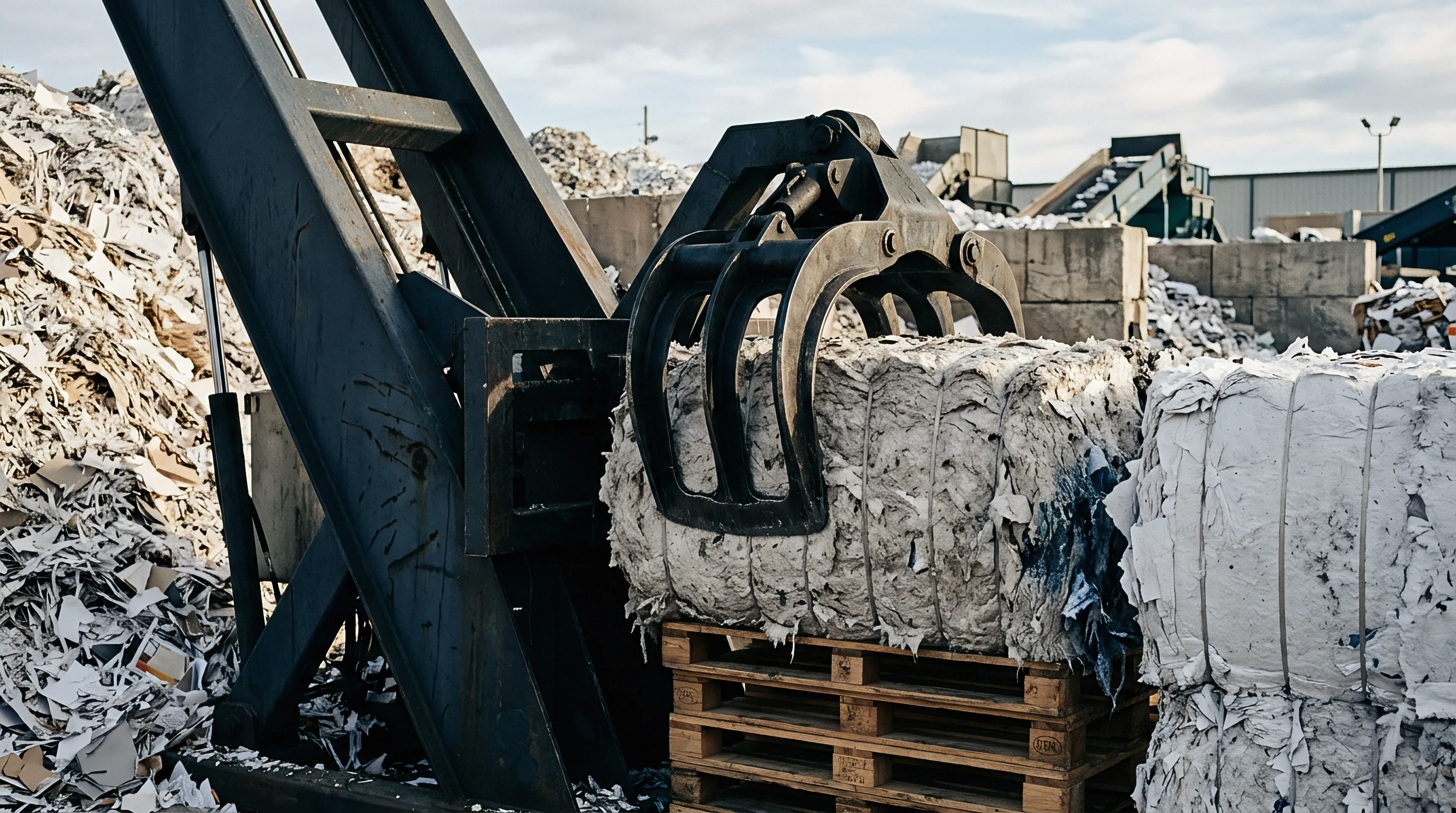
European packaging regulations levy fees based on how easily a substrate can be recycled. Extended Producer Responsibility schemes categorize packaging by synthetic polymer content by weight. Under CEPI recyclability guidelines version 2, substrates carrying under five percent total plastic mass qualify as mono-material paper stock and qualify for standard paper recycling fees.
Anything over five percent synthetic material triggers non-recyclable packaging surcharges in multiple jurisdictions.
Consider a converting run of one hundred thousand folding boxboard cartons measuring 0.045 square metres each, requiring four thousand five hundred square metres of board in total. Base paperboard at three hundred grams per square metre costs €1,200 per metric tonne. Aqueous polyolefin dispersion applied at ten grams per square metre dry weight costs €4.20 per dry kilogram, while extruded low-density polyethylene at eighteen grams per square metre costs €1.85 per kilogram.
Substrate mass for the dispersion option totals 1.395 metric tonnes, costing €1,674.00 for base board plus €189.00 for coating ~ a stock cost of €1,863.00. The extruded polyethylene option requires 1.431 metric tonnes of substrate, costing €1,717.20 for base board plus €149.85 for resin, coming to €1,867.05 in stock costs.
Recycling fees penalize heavy synthetic coatings, particularly when delaminated coatings block repulping screens. Standard paper recycling Extended Producer Responsibility tariffs run at €140 per tonne for mono-material dispersion board, adding €195.30 to the run. Non-recyclable composite tariffs for extruded polyethylene board reach €580 per tonne, adding €829.98.
That brings the total landed cost for the dispersion solution to €20.58 per thousand finished cartons, compared to €26.97 per thousand for polyethylene-laminated board. Choosing the dispersion specification saves €6.39 per thousand cartons, driven entirely by end-of-life tariff structures.
| Specification Type | Base Grammage (g/m²) | Barrier Coat Weight (g/m²) | Landed Board Cost (€/1000 packs) | EPR Eco-Fee (€/1000 packs) | Total Unit Cost (€/1000 packs) |
|---|---|---|---|---|---|
| Aqueous Dispersion SBS | 300 | 10.0 | 18.63 | 1.95 | 20.58 |
| Extruded LDPE FBB | 300 | 18.0 | 18.67 | 8.30 | 26.97 |
| High-Barrier EAA Kraft | 350 | 14.0 | 22.40 | 2.28 | 24.68 |
Specifying minimal dispersion coat weights keeps board compliant with repulping guidelines and keeps total packaging tariffs low, provided the barrier interface stays intact during converting.