Plate Transition
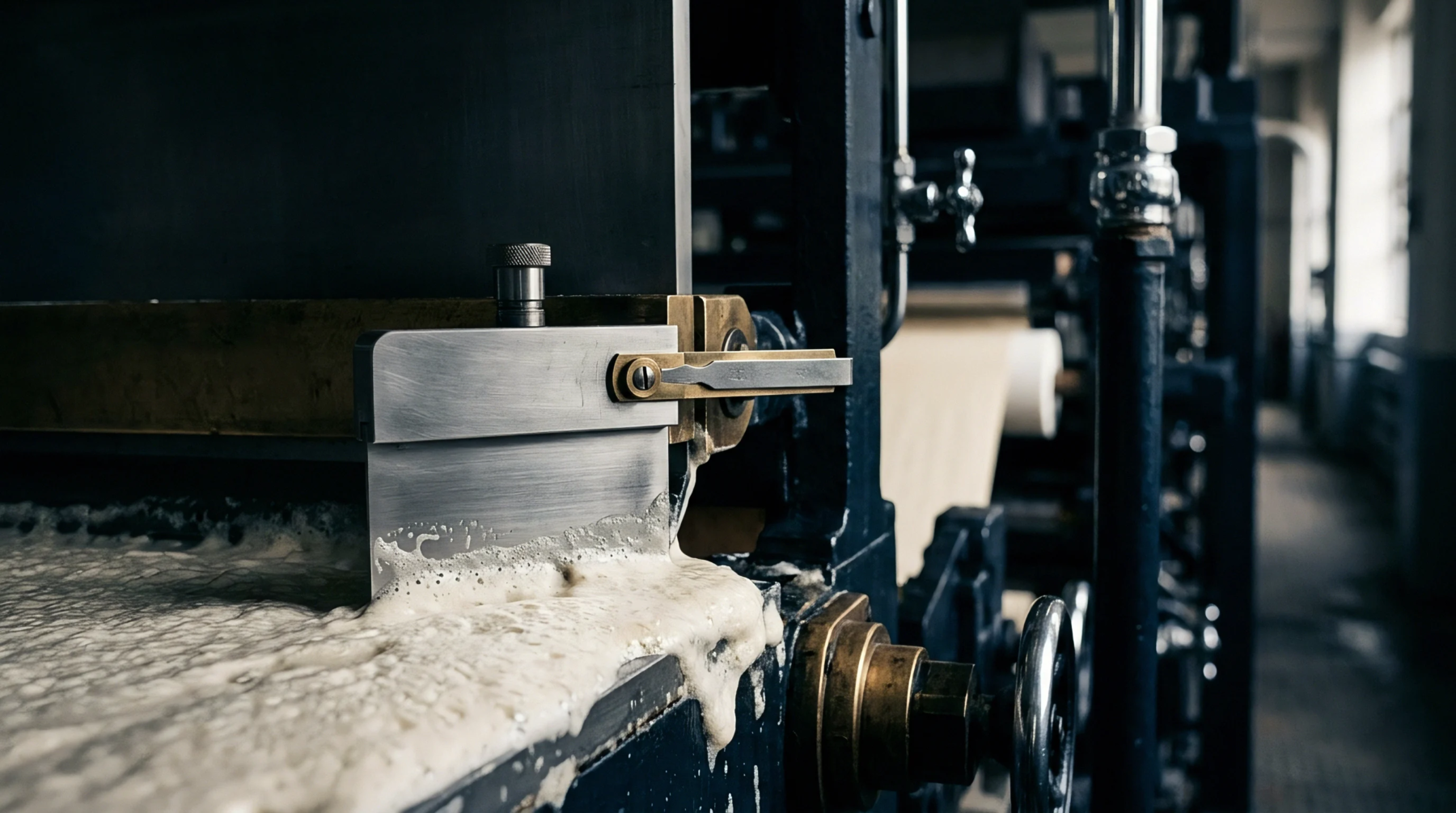
Ultraviolet exposure systems rely on the photopolymer plate exit to manage the movement of cured substrate out of the imaging chamber. This stage involves the mechanical transition where the chemical crosslinking process concludes and the finished relief surface enters the cleaning or developing station. Precise timing here prevents surface marking caused by sudden pressure shifts as the plate leaves the rollers.
Development Dynamics
Proper regulation of the photopolymer plate exit ensures that solvents or water based solutions maintain consistent contact times across the entire surface area of the relief. Deviations in speed during this transit force inconsistent wash results because the chemistry remains active on the plate surface for varied durations. Operators calibrate drive speeds to match the solubility of the resin base, which prevents undercutting or swelling of the fine halftone dots.
Consistent velocity across the width of the machine keeps the plate geometry stable during the extraction process.
Production Integrity
High resolution print outcomes depend on the physical state of the material as it arrives at the secondary processing modules from the photopolymer plate exit. Stable extraction minimizes kinetic vibration that leads to micro fractures in delicate relief structures. Rigid control of the conveyor or roller nip tension at this junction preserves the dimensional accuracy of the printing element.
Precise exit handling establishes the repeatable quality required for long press runs on flexible packaging stock.