Cutting Cushion
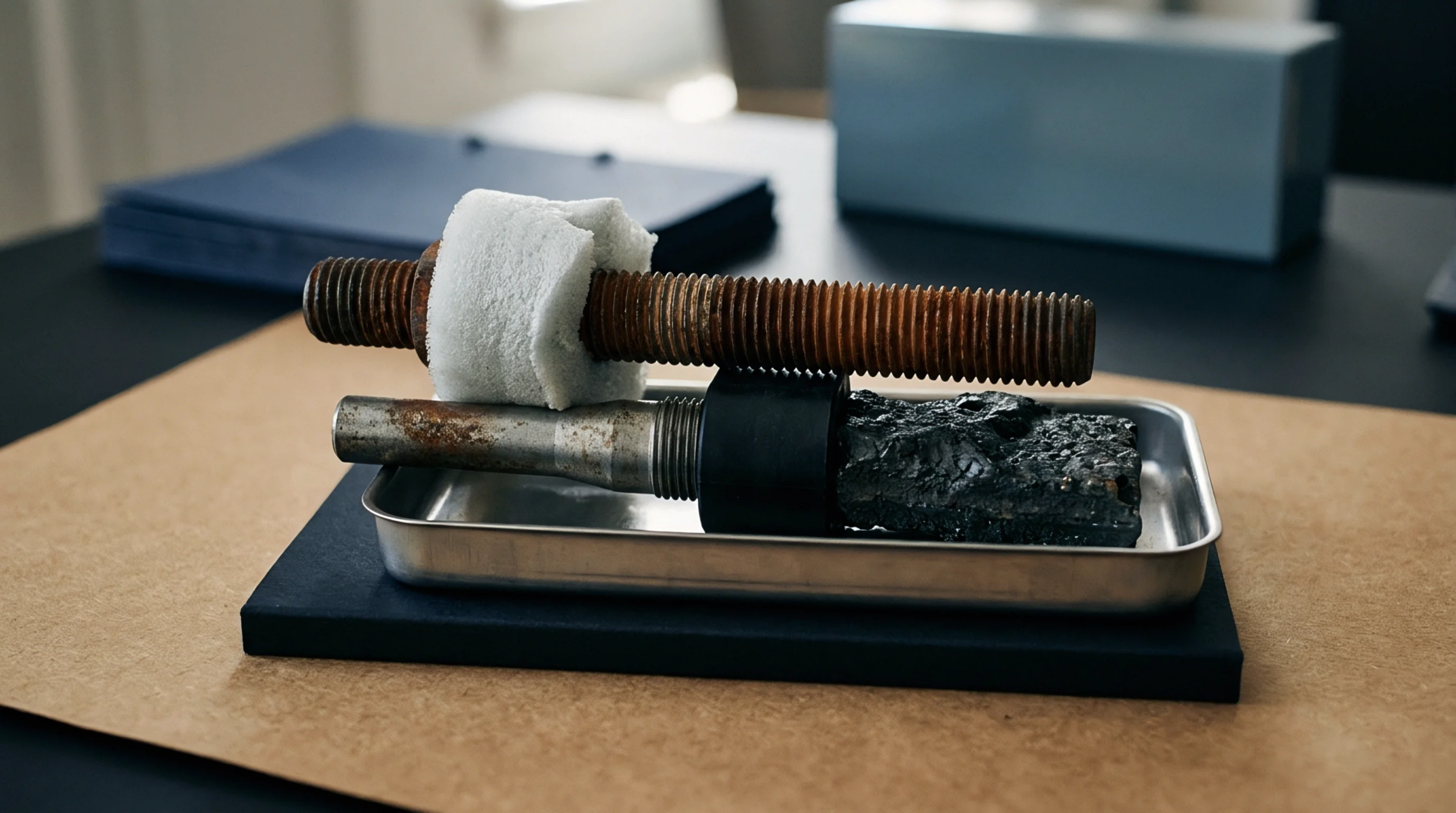
Replaceable cast elastomeric jackets encase rotating steel cylinders to provide backing resistance for cutting dies on corrugated conversion machinery. In rotary die-cutting systems, polyurethane anvil blankets absorb the mechanical force of steel cutting rules as they slice through fluted containerboard. The crosslinked polyurethane material exhibits high resilience, allowing metal knives to penetrate into the jacket surface without causing permanent groove damage or blade dulling.
Precision ground outer diameters maintain uniform peripheral speed across the machine width. Without these protective elastomeric coverings, steel knives striking unpadded cylinders would crush fluting profiles, fracture cutting edges and interrupt high-speed packaging box fabrication.
Wear Life
Relentless knife penetration across identical circumferential paths triggers material fatigue and groove formation in anvil surfaces. High-performance polyurethane anvil blankets incorporate micro-cellular structures and specialized crosslinking chemistry to resist cutting wear during multi-million impression production schedules. As steel blades slice into the elastomer, high cut-growth resistance prevents the tearing away of polymer chunks.
Converting facilities periodically rotate blanket sections across the cylinder width to distribute knife strikes evenly and prevent deep localized grooving. Modern rotary die-cutters employ motorized anvil oscillation systems that shift the anvil cylinder axially against the die cylinder, extending blanket life and maintaining consistent cut depth.
Production Tolerance
Worn elastomeric surfaces compromise dimensional accuracy and crease formation on corrugated box blanks. When polyurethane anvil blankets lose thickness from extended wear, their effective circumference decreases, accelerating rotational velocity relative to the die drum and stretching cutting lengths. Packaging plants grind blanket surfaces periodically with automated trimming units to restore a flat cylindrical profile.
Calibrated blanket hardness, typically between eighty-five and ninety Shore A, balances knife penetration against structural support for cleanly severed corrugated board blanks.