Energy Allocation
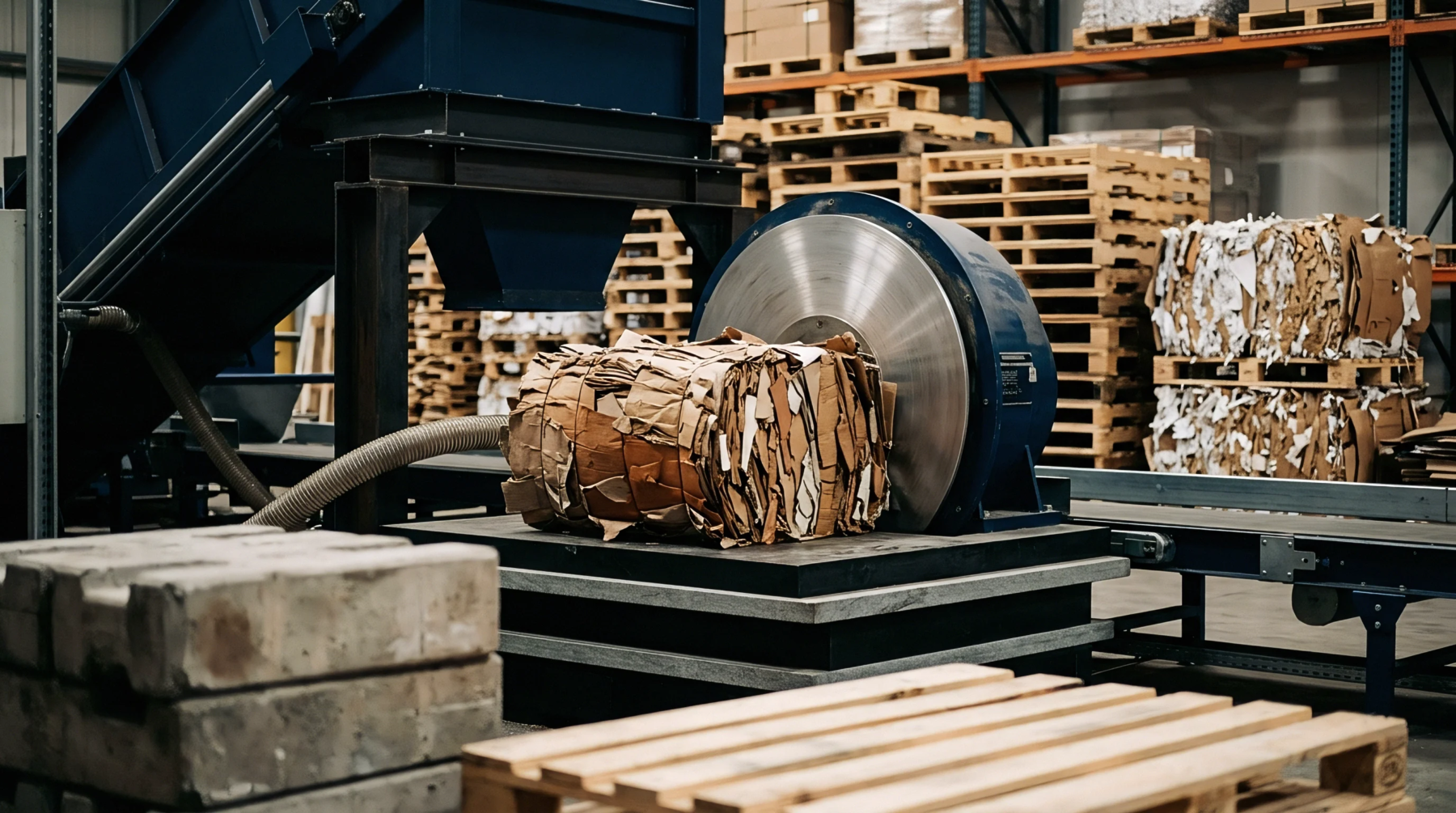
Mechanical energy applied during fibre refinement represents the pulping specific power required to transform wood chips into usable substrate for paper manufacture. This measurement defines the ratio of net motor power to the throughput of bone-dry fibre moving through the disc refiner. A mill monitors this value to control the degree of mechanical work exerted on the cell walls of the cellulose.
High values indicate extensive hydration and fibrillation of the fibre structure, while lower figures suggest limited fibre development suitable only for filler or specific board plys. Engineers quantify this variable in kilowatt-hours per metric ton of processed material to benchmark the efficiency of the stock preparation stage.
Operational Variance
Variations in incoming raw material geometry or moisture levels force adjustment of the intensity applied during the refining cycle. A hard-wood furnish requires different treatment parameters compared to long-fibre softwood to reach the target drainage rate and final paper strength. Consistency in this physical property ensures that subsequent sheet formation on the wire remains stable and free from unintended turbulence.
Changes in the rotation speed of the refining plates or the gap distance between them create immediate shifts in the draw of electricity needed to maintain the output volume. Proper management of this balance prevents the excessive consumption of electricity that degrades the economic performance of the facility.
Production Outcome
The tensile strength and bursting resistance of the finished packaging material rely upon the precision with which the mechanical load stays within the determined range for a specific grade. Sheets produced with inadequate refining suffer from poor inter-fibre bonding, whereas excessive intensity shortens the fibre length and compromises the tearing resistance of the final stock. A production manager maintains the correct set point to preserve the structural integrity of the paper during high-speed printing or conversion on an automated line.
Rigid adherence to the specified power input limits the occurrence of defects during the winding or coating steps. Stable energy application minimizes fluctuations in substrate porosity and ensures uniform ink absorption across the entire width of the web.