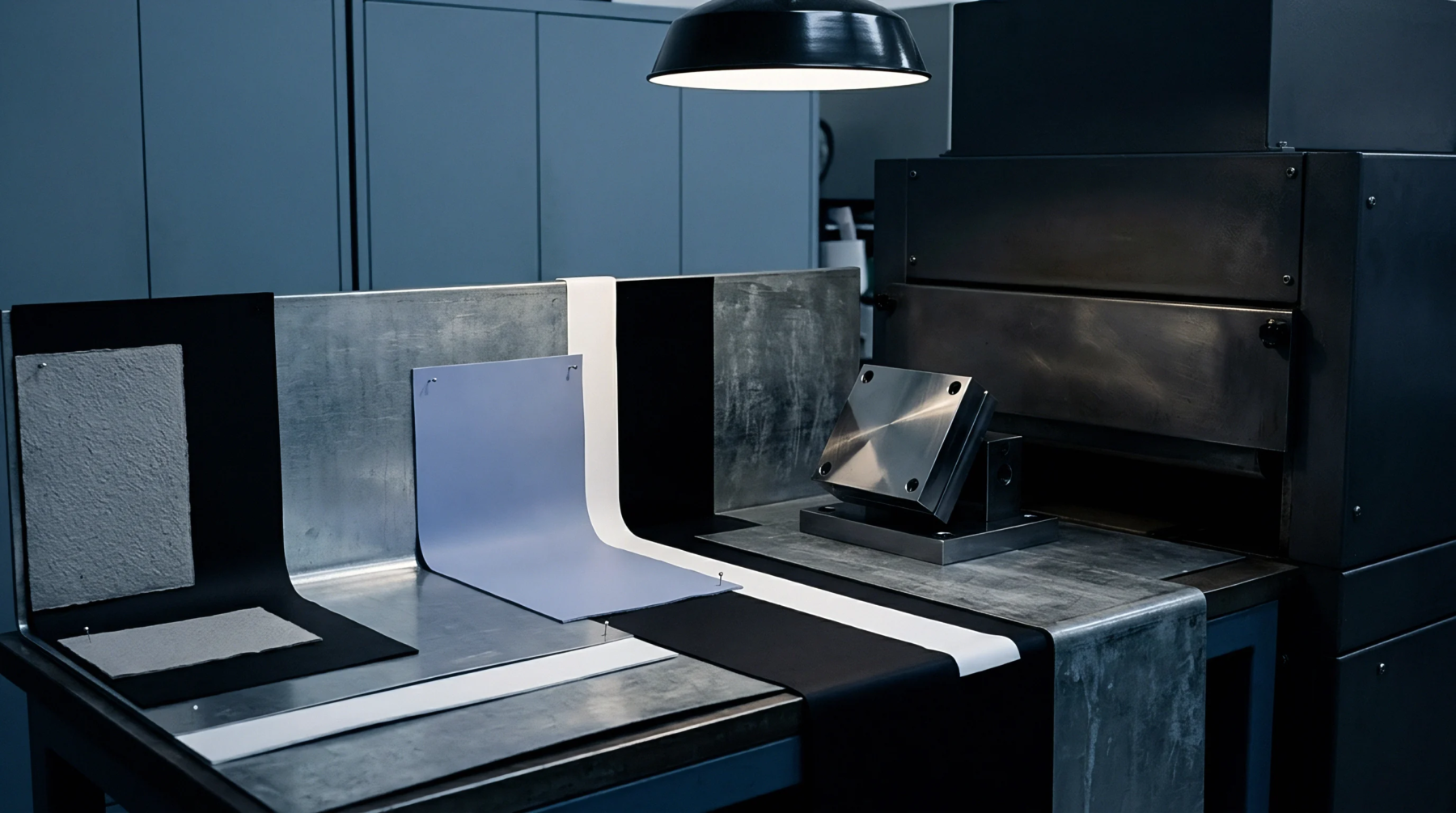
Abrasion Simulation
Standardized laboratory protocols utilizing controlled friction to evaluate the durability of printed ink and varnish films define the performance of packaging under mechanical stress. The practice of rub testing applies a known weight and reciprocating motion to printed paperboard samples to simulate the wear that occurs during transit and retail handling. This test determines how well the ink or coating adheres to the paperboard substrate when subjected to rubbing action.
Analyzing the rubbed samples reveals the point at which the printed image begins to smudge, fade, or transfer to the opposing sheet.
Test Methodology
Modern quality control laboratories employ instruments such as the Sutherland Rub Tester to run these evaluations under repeatable conditions. The procedure for rub testing involves securing a printed board sample to the base of the machine and attaching a receptor strip of plain paperboard to the weighted arm. The arm then sweeps across the printed surface for a preset number of strokes, typically ranging from fifty to two hundred cycles depending on the target transport conditions.
Industrial Compliance
Meeting the durability standards of major retail brands requires consistent rub resistance across every production batch. This testing process enables paperboard converters to adjust the curing time of ultraviolet inks or the concentration of drying agents in conventional inks. It ensures that the graphic elements of the package remain intact and scuff-free during high-speed packing and distribution.