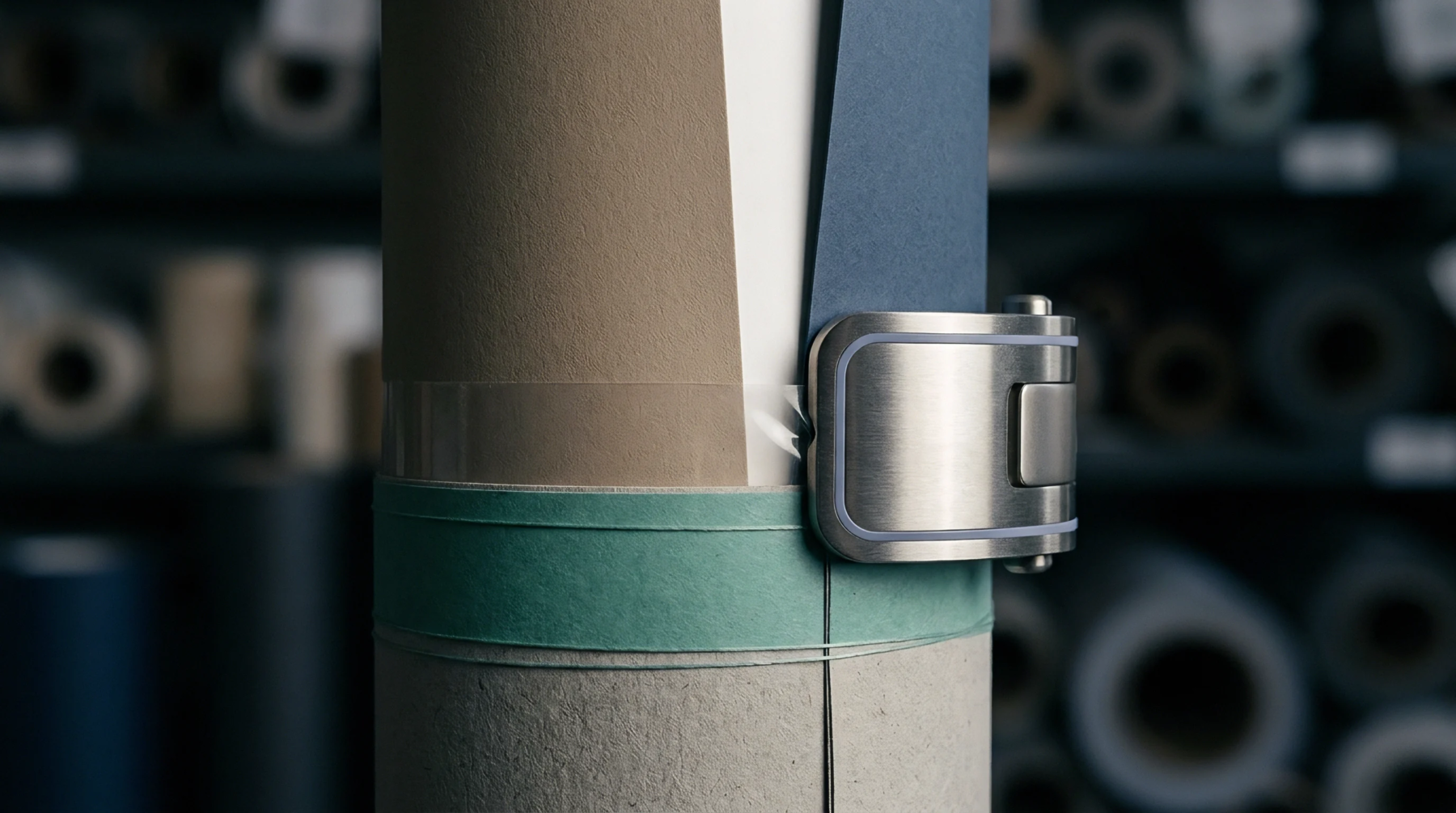
Mechanical Deformation
Compression of board thickness during the finishing phase prevents creasing failures in high speed converting machinery. This score rolling process applies controlled pressure through rotary wheels to weaken the substrate along a specific line without cutting the top liner. Precision settings at this stage determine the structural integrity of the fold in finished boxes.
Operators adjust the wheel depth to accommodate different calliper ratings and moisture contents across the production run.
Operational Tolerance
Variations in flute density or board weight require frequent calibration of the rolling depth to maintain uniform resistance. Proper alignment ensures the crease stays centered between the scoring wheels, minimizing lateral drift that ruins structural symmetry. Excessive pressure causes immediate rupture of the outer fibres, while insufficient force leaves the board resistant to folding, which creates jagged edges on the finished product.
Structural Outcome
Consistent application of this technique produces a clean hinge that withstands repeated mechanical stress without cracking. Correct fold angles depend on the geometry of the rolling profile and the fibre orientation of the board stock. Uniformity throughout the batch allows automatic filling equipment to process cartons at higher speeds.
Superior scoring performance directly correlates with the ability of the container to protect contents during handling.