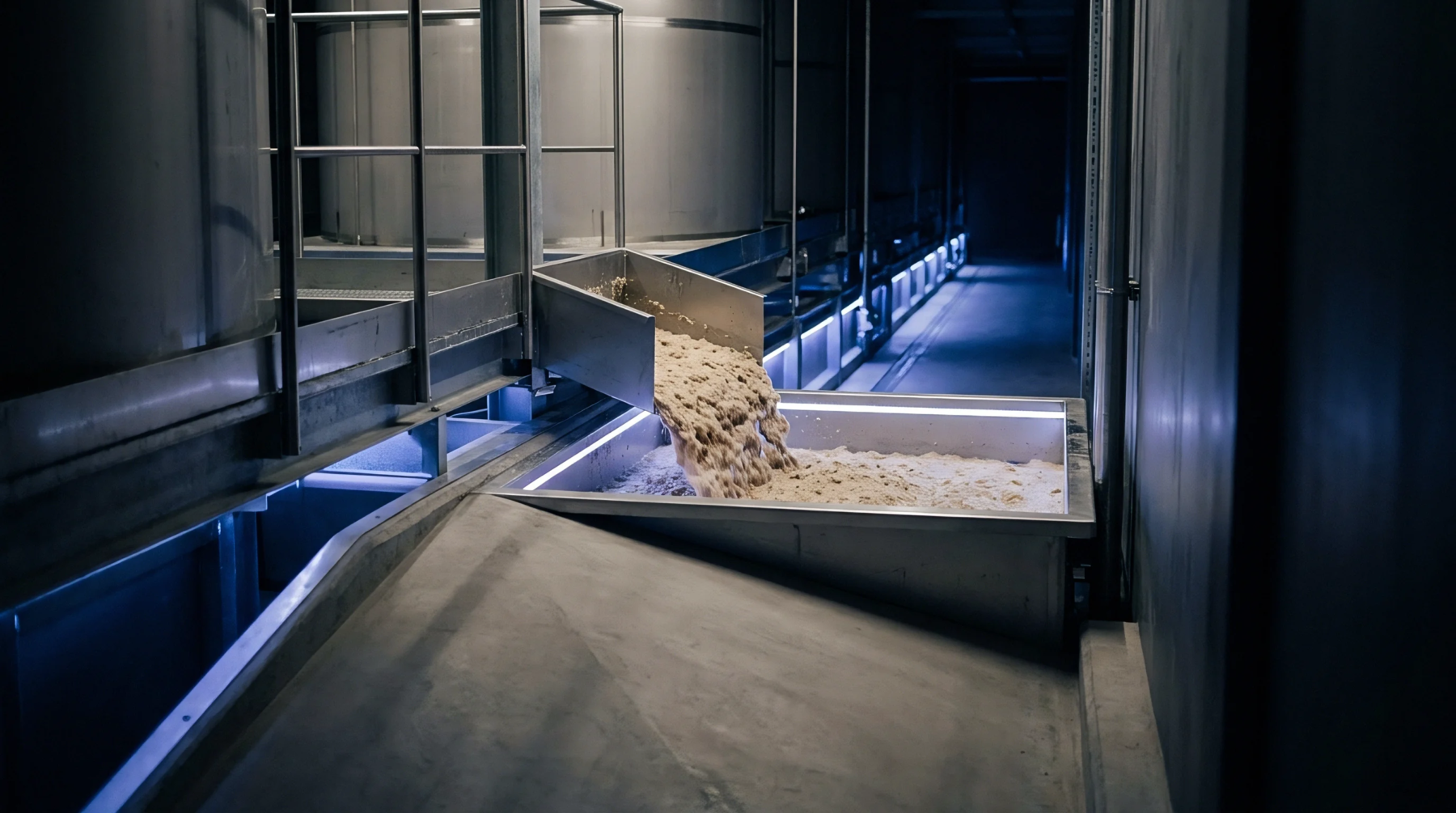
Drainage Velocity
Water removal during wet web formation defines the rate at which free liquid escapes the moving wire under gravitational forces and applied suction boxes. Sheet dewatering controls initial grammage stability and final caliper uniformity on high speed fourdrinier paper machines. Gravitational drainage zones handle forty percent of total liquid extraction before the web reaches the first vacuum roll nip.
Press section loading subsequently removes additional moisture by mechanical compression against specialized felts. Machine speed limitations depend directly on the vacuum capacity required to prevent web delamination during rapid moisture extraction.
Press Efficiency
Mechanical water extraction relies on hydraulic pressure gradients generated within the nip between heavy rotating cylinders. Specific nip pressure ratings determine the maximum dryness percentage achievable before thermal drying stages consume high amounts of thermal energy. Felts absorb expressed liquid instantly and must resist compaction under repeated dynamic loading cycles across twenty four hour operating shifts.
Void volume within the pressing fabric prevents hydraulic backflow from resaturating the newly consolidated fiber web.
Moisture Profile
Cross direction moisture variation causes severe caliper defects and uneven ink absorption during subsequent printing operations on coated packaging substrates. Infrared moisture sensors mounted before the final dryer section measure localized water content continuously across the moving web width. Automatic actuator zones adjust slice lip profiles to correct grammage anomalies before permanent fiber bonding occurs in the drying cylinders.
Final reel moisture targets typically range between four and six percent to ensure dimensional stability during offset lithographic printing processes.