Crease Definition
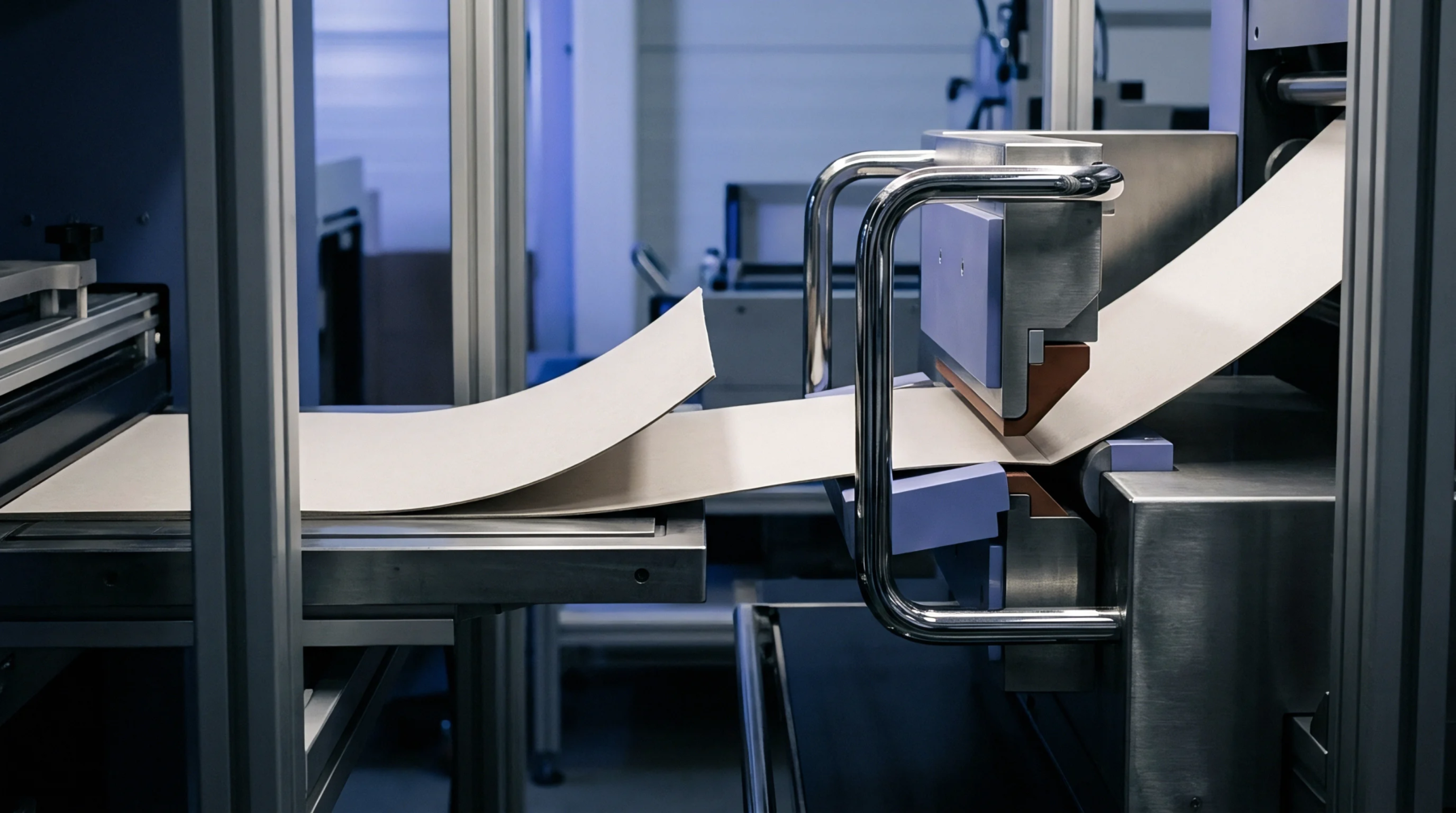
A tooling component provides a rigid and milled surface used to define crease geometry in high-volume folding carton production. The steel counter replaces traditional creasing matrix for jobs that require extreme precision and long-term stability. It consists of a thin plate with channels precisely machined to match the location of the creasing rules.
This setup creates a highly consistent environment for folding the board.
Milling Specification
The dimensions of the channel must allow the paperboard to fold without cracking the outer liner or delaminating the internal layers. A steel counter must have a channel width and depth calculated based on the thickness and stiffness of the specific board being used. Because the plate is made of high-quality steel, these dimensions do not change even after hundreds of thousands of impressions.
The machining process often includes chamfered edges to reduce stress on the board as it is pushed into the groove. This level of detail ensures that the creases are sharp and the cartons can be assembled easily on automated lines.
Run Stability
Durability is the primary reason for selecting this type of tooling over softer alternatives. A steel counter maintains its profile throughout the entire production run, eliminating the need for mid-job adjustments. This consistency reduces waste and ensures that every box in a batch is identical.