Blade Condition
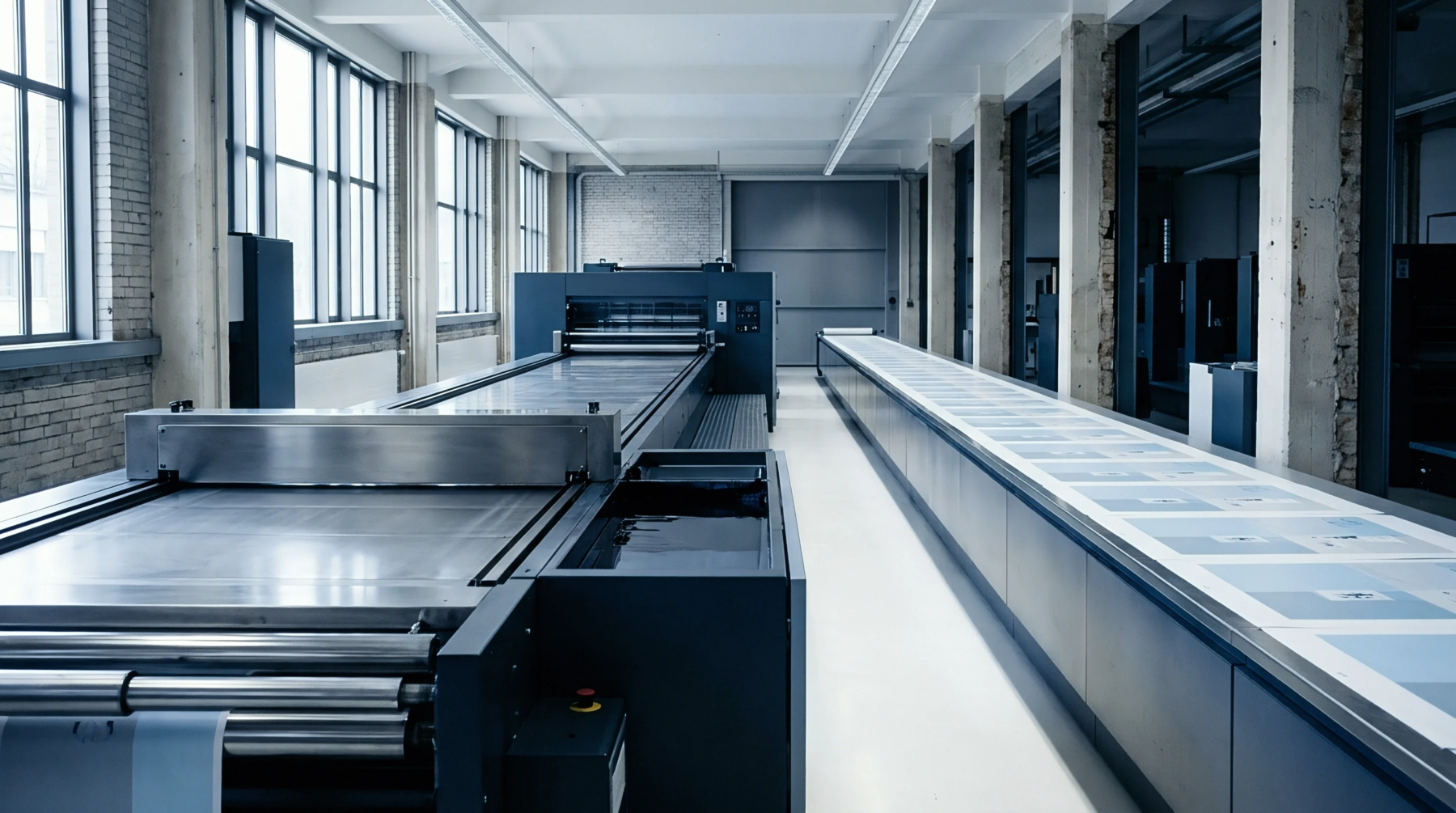
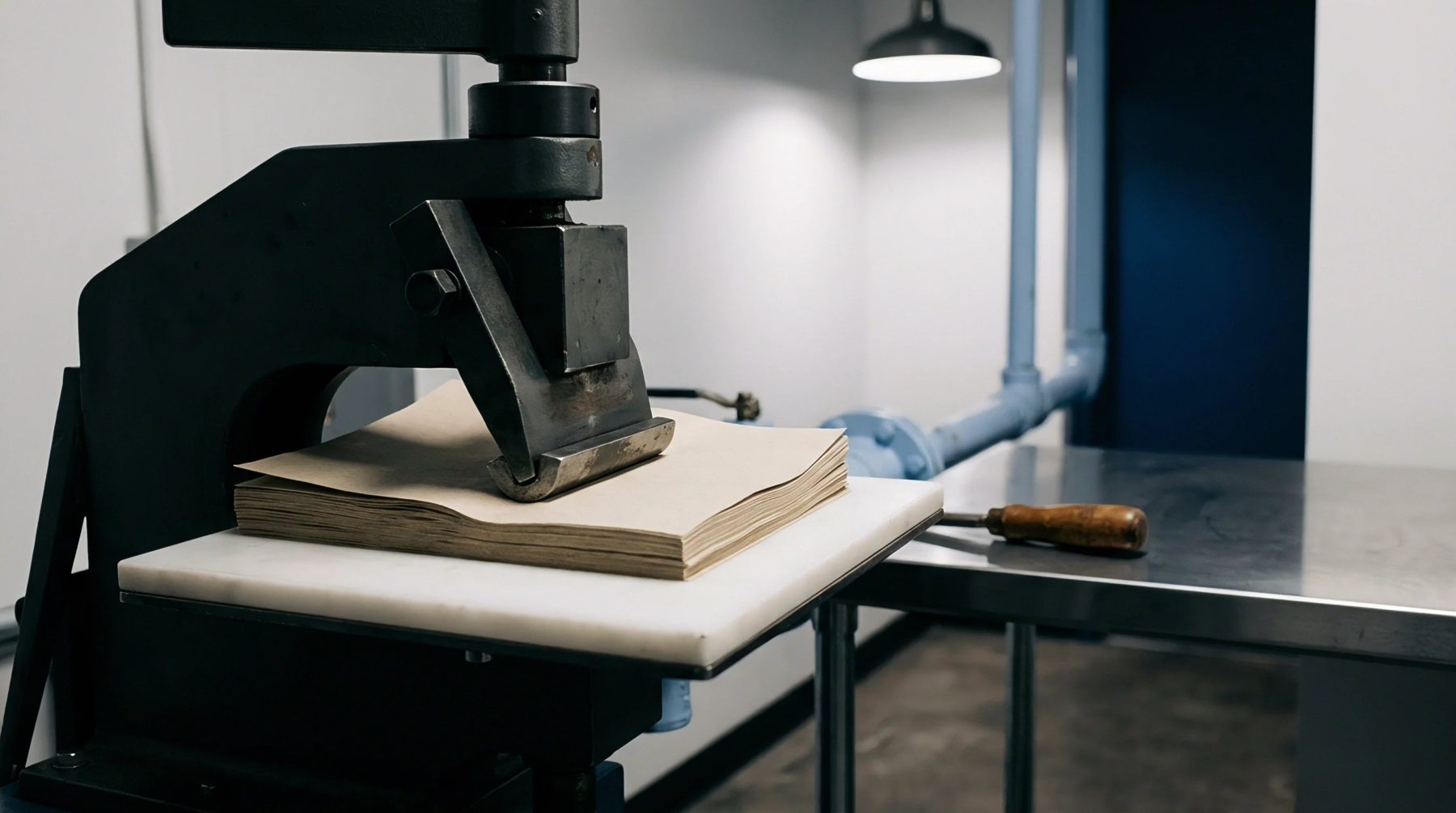
Online diagnostic techniques track cutting edge degradation on slitting knives, rotary dies, and creasing tools during paperboard converting. In high-speed folding carton and corrugated box plants, tool wear monitoring uses acoustic emission, motor load analysis, or optical sensors to detect blade dulling before edge quality deteriorates. The process applies to rotary die-cutters, web slitters, and sheet shearing equipment.
It does not measure chemical corrosion or thermal degradation occurring while cutting machinery sits idle.
Sensor Diagnostic
Progressive edge dulling increases cutting forces, generating distinct high-frequency acoustic emission signals and elevated motor current draw. Acoustic sensors mounted on die-cutting anvil cylinders detect subtle changes in stress wave energy released as worn blades fracture board fibres rather than shear them cleanly. Vibration spectra reveal micro-chipping along circular slitter blades before dust generation increases on the converting line.
Automated systems compare real-time signal amplitudes against baseline thresholds established for specific board calipers and liner combinations. Heavy solid bleached sulfate boards and high-recycled containerboards accelerate edge wear at different rates. Continuous monitoring enables scheduled blade sharpening or replacement, preventing unexpected production stops and reducing board edge angel hair defects.
Optical camera systems measure blade profile changes during brief web stoppages to confirm sensor diagnoses.
Process Reliability
Converting plant maintenance teams rely on real-time tool tracking to schedule replacement intervals without risking box die-cutting precision. Continuous monitoring prevents clean-cut failure, dusting, and board crush during packaging conversion. Reliable edge diagnostics extend tool life while maintaining strict packaging dimensional tolerances.