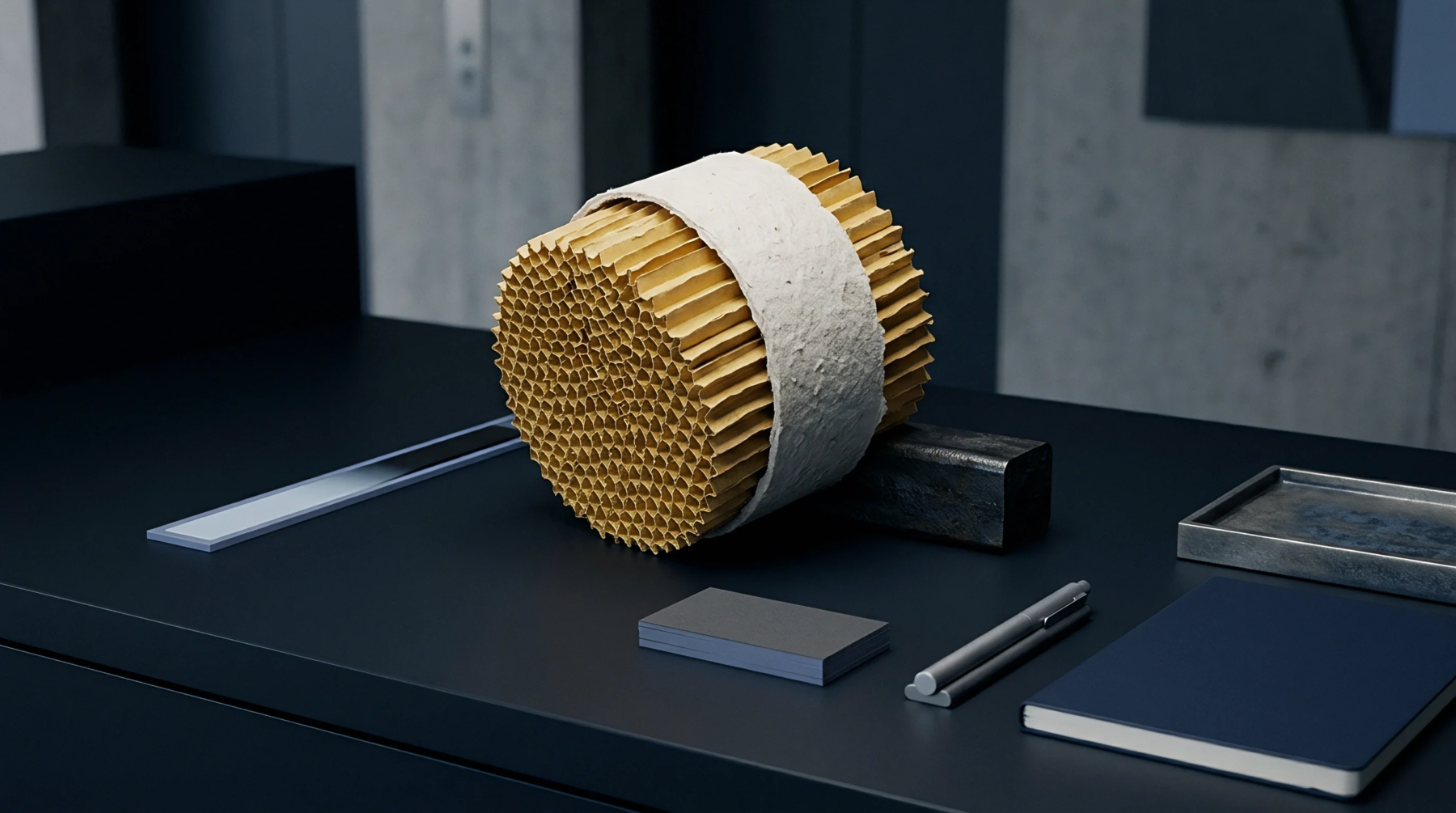
Recycled Board
Coated packaging paperboard constructed with a white-pigmented or bleached top liner over a core composed predominantly of recovered secondary fibers provides cost-effective packaging stock. White lined chipboard WLC combines printability on its coated top surface with structural bulk derived from recycled newsprint and corrugated waste. This grade supplies folding carton packaging for food, pharmaceuticals, and consumer retail products.
Standard classification stops applying if recycled fiber content drops below seventy percent of total board weight.
Furnish Composition
Multi-ply paperboard machines produce layered substrates to optimize visual appeal, stiffness, and raw material cost efficiency. Manufacturing white lined chipboard WLC involves placing high-quality bleached pulp or recycled deinked pulp on the top ply, supported by grey waste paper layers in middle and back plies. Mineral coatings applied to the top liner create smooth surfaces suitable for high-resolution offset printing and gloss varnish applications.
Middle plies use inexpensive mechanical or secondary fibers to build caliper and bending stiffness at low fiber cost. Backing layers receive sizing treatments to control moisture absorption during gluing and packaging operations. Food packaging applications require barrier coatings or functional liners to prevent mineral oil hydrocarbons in recycled pulp from migrating into dry foods.
Proper mechanical refining ensures sufficient ply bonding and foldability without crack formation along box scorelines.
Application Limit
Food safety regulations and physical strength limits govern where recycled boxboard grades can be safely deployed. Utilizing white lined chipboard WLC requires compliance with migration limits for recycled packaging intended for direct food contact. Heavy industrial packaging or wet-strength packaging applications favor virgin kraft linerboard over recycled chipboard due to higher moisture resistance.
Performance claims become invalid if board stores in high-humidity environments without barrier overwraps.