Dilute Acid Prehydrolysis Control Mechanics in Dissolving Pulp
Dilute acid prehydrolysis controls dissolving pulp purity by tuning temperature and acid charge to remove xylan while preserving alpha-cellulose chain length.


Kinetics
The depolymerization of wood hemicelluloses during acid-catalyzed hydrothermal processing operates as a pseudo-first-order cleavage reaction driven by hydronium ion activity and thermal energy input. In dissolving pulp manufacture, target polymers must be selectively cleaved while preserving the structural backbone of alpha-cellulose. Dissolving wood pulp grades demand high cellulose purity, typically exceeding 92 percent for viscose staple fibre and 96 percent for acetate tow, paired with low residual pentosan contents below 3.0 percent.
Achieving these thresholds depends on controlling the dissolution rates of xylan in hardwoods and glucomannan in softwoods during the initial prehydrolysis stage before alkaline cooking.
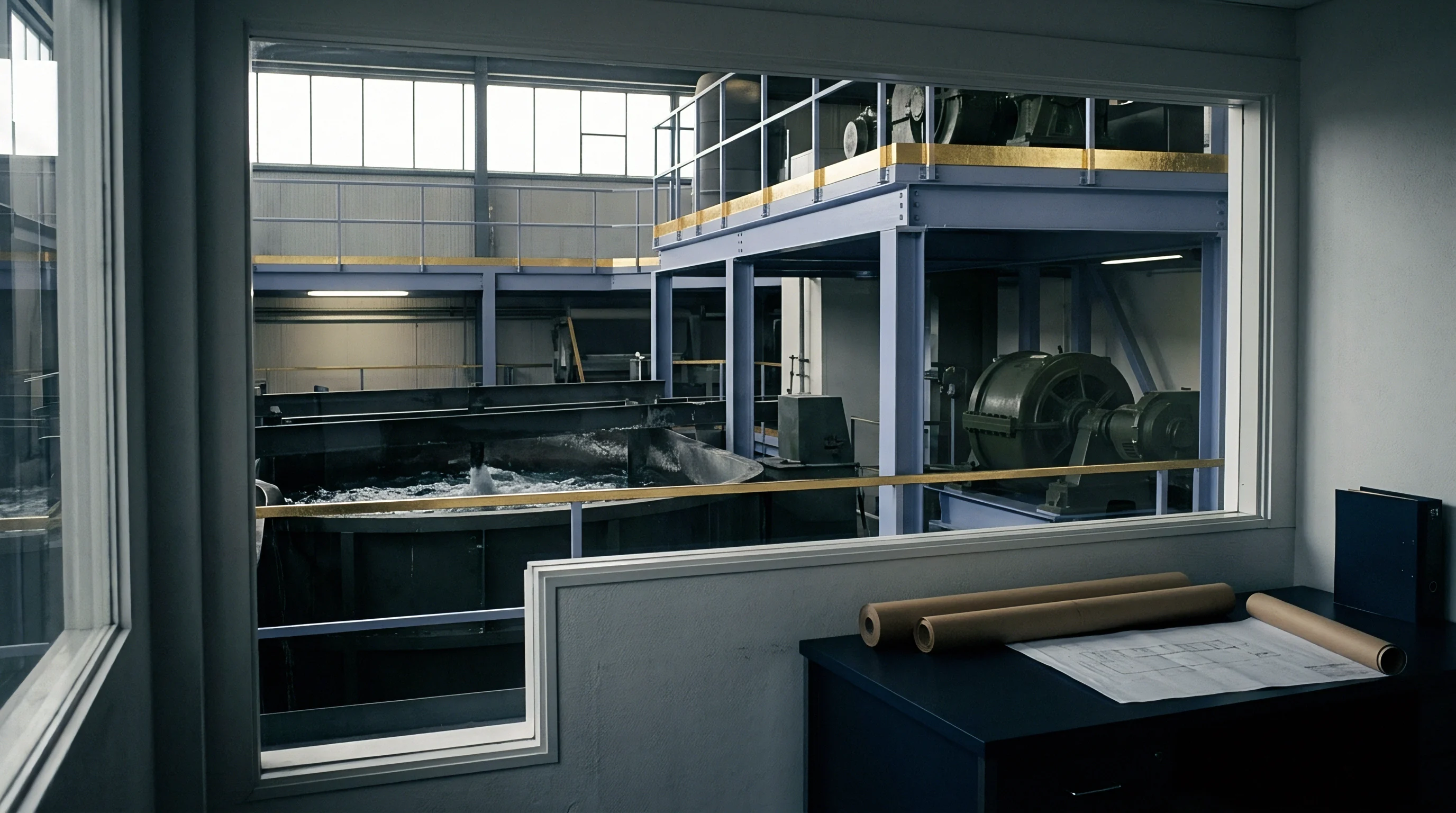
Hydronium Concentration and Activation Energy
Adding mineral acids such as sulfuric acid lowers the required thermal floor of the reaction. Autohydrolysis relies entirely on organic acids, primarily acetic acid cleaved from acetyl groups attached to xylan backbones, reaching operational temperatures between 165°C and 175°C. Dilute acid prehydrolysis introduces external hydronium ions at concentrations between 0.1 percent and 0.5 percent weight-on-dry-wood, lowering the activation energy barrier for glycosidic bond cleavage from 125 kilojoules per mole down to 105 kilojoules per mole. Purity defines dissolving pulp value.
The mathematical representation of hydrothermal severity relies on the P-factor model, integrating reaction velocity over residence time. The kinetic rate constant follows an Arrhenius relationship:
k = A · exp(-Ea / (R · T))
When external sulfuric acid is charged at 0.3 percent on oven-dry wood chips, the reaction velocity constant for fast-reacting xylan increases by a factor of 2.8 at 150°C relative to uncatalyzed autohydrolysis. This acceleration permits lower peak temperatures, reducing the thermal load on digestion vessels while preventing excessive degradation of cellulose chains.
| Prehydrolysis Type | Acid Charge (% H2SO4 on dry wood) | Temperature (°C) | Target P-Factor (hours) | Fast Xylan Rate Constant (min⁻¹) | Residual Pentosan Content (%) |
|---|---|---|---|---|---|
| Autohydrolysis | 0.00 | 170 | 500 | 0.014 | 3.2 |
| Dilute Acid | 0.15 | 155 | 350 | 0.028 | 2.4 |
| Dilute Acid | 0.30 | 150 | 280 | 0.041 | 1.8 |
| Dilute Acid | 0.50 | 142 | 200 | 0.062 | 1.3 |

Severity Modeling via P-Factor Metrics
Producers measure thermal and chemical impact through modified P-factor calculations that account for acid charge. A standard autohydrolysis P-factor assumes an activation energy of 125.6 kilojoules per mole, mapping reaction rates relative to water at 100°C. Introducing dilute acid shifts the relative reaction rate baseline, requiring recalibration of the P-factor algorithm installed in the mill process control system.
Consider a continuous digester processing 50 oven-dry tonnes per hour of eucalyptus wood chips. Uncatalyzed processing at 170°C for 55 minutes yields a P-factor of 520, reducing pentosan content from 14.5 percent to 3.1 percent, with an intrinsic viscosity loss of 32 percent in the final pulp. Adding 0.25 percent sulfuric acid at 152°C for 40 minutes achieves an equivalent P-factor of 340, reducing pentosan content to 2.1 percent while limiting intrinsic viscosity reduction to 18 percent.
Lower processing temperatures reduce digester thermal stress and preserve cellulose yield by 1.4 percentage points.
Maintaining acid charge balance preserves long-chain glucan fractions while hydrolyzing short-chain pentosans.
Process feedback relies on online liquor conductivity and pH measurements at the extraction strainer. Acid addition suppresses reaction time.
Controlling the hydronium ion concentration in the liquor phase requires constant adjustment for chip moisture fluctuations, because incoming timber carrying 50 percent moisture dilutes the acid charge significantly more than seasoned wood at 35 percent moisture. Failing to correct acid dosing for chip moisture shifts the operational P-factor outside the target window, leaving unextracted hemicelluloses that degrade downstream viscose filterability.
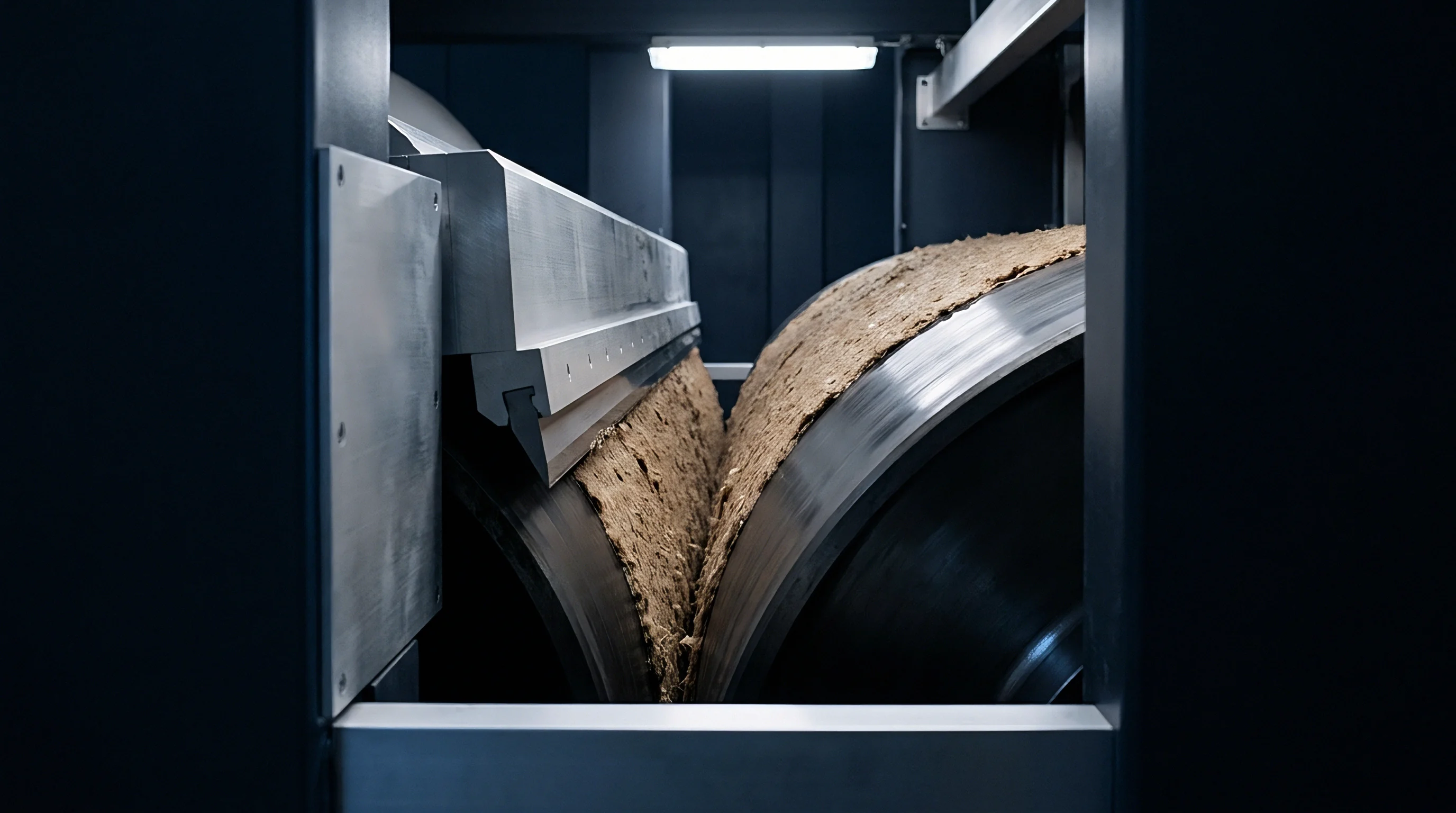
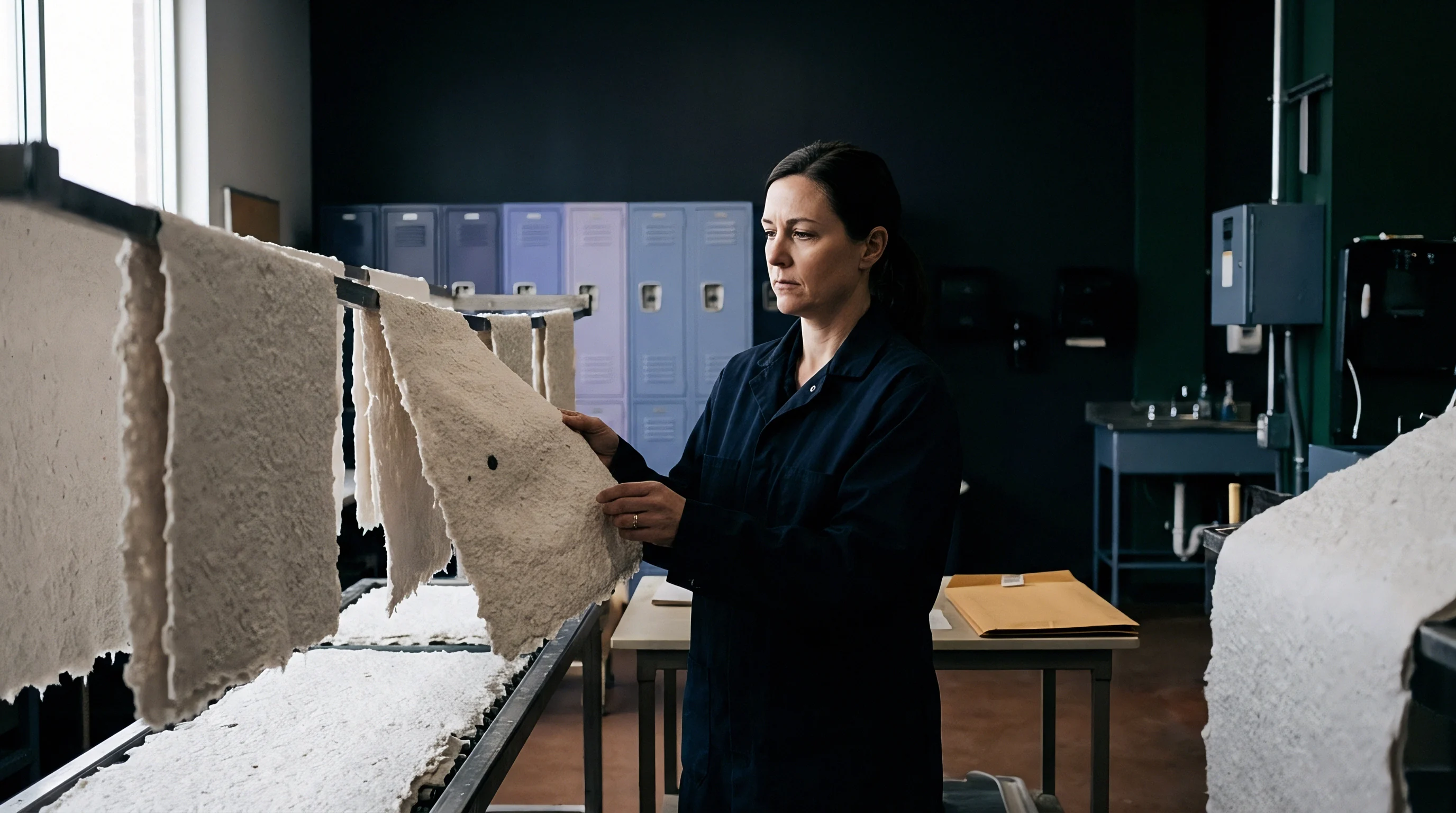
Steam
Thermal energy delivery into the prehydrolysis zone sets the boundary conditions for uniform chip core heating. Temperature gradients across wood chips create non-uniform reaction profiles where outer chip fibers undergo over-hydrolysis while inner cores remain unreacted. Direct steam addition rapidly brings the chip bed to target temperature but introduces condensate that dilutes the dilute acid liquor, shifting hydronium ion concentration throughout the batch cycle.
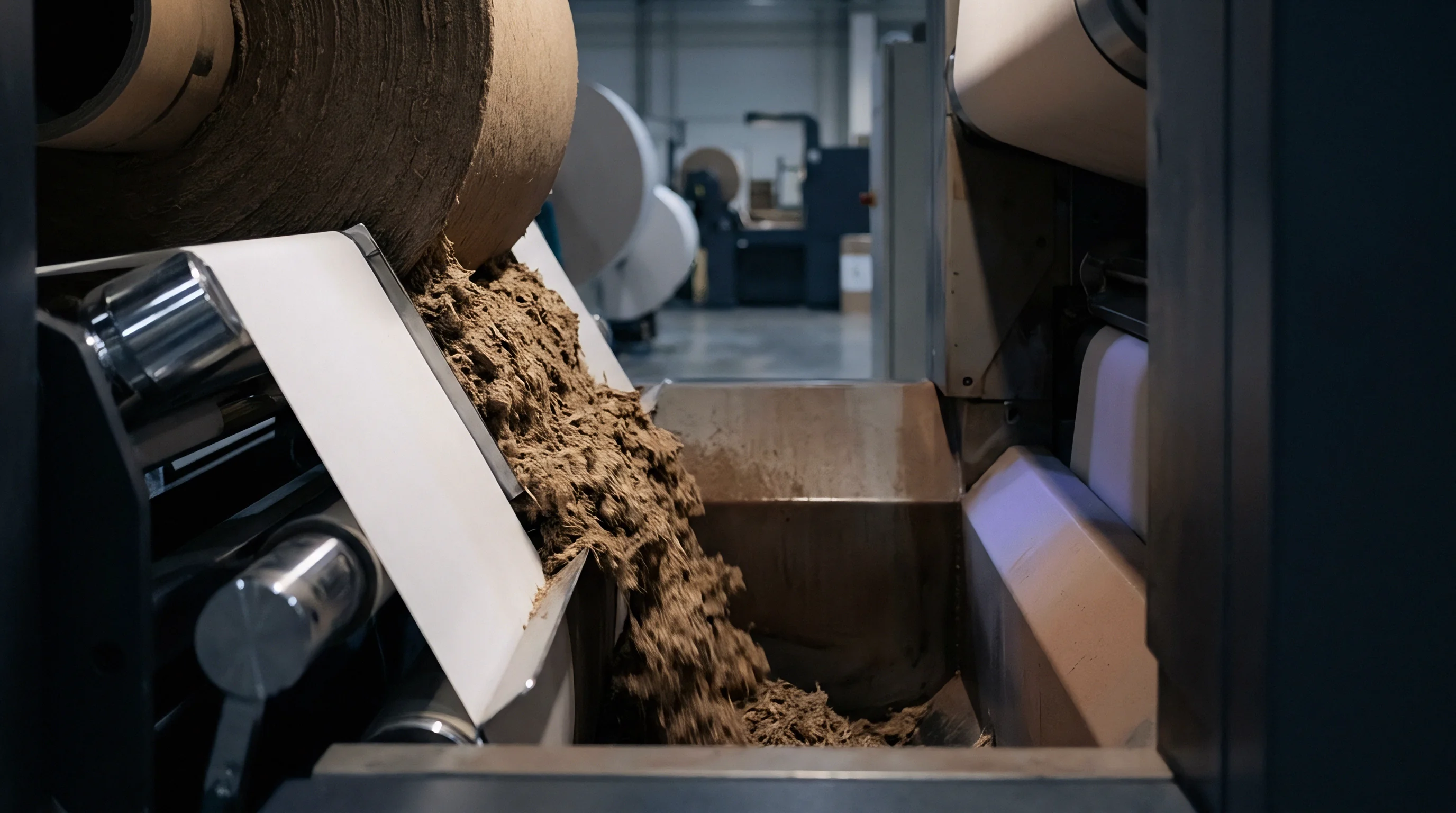
Thermal Distribution and Condensate Management
Indirect heating through external shell-and-tube heat exchangers eliminates liquor dilution but demands continuous recirculation of the acidic prehydrolysis liquor. Acidic condensate creates severe corrosion vectors on standard 316L stainless steel surfaces, requiring titanium or duplex stainless steel 2205 construction for heat exchanger tubes and recirculation piping. Acidic liquor recirculates rapidly to prevent localized thermal hot spots.
- Pre-steaming wood chips at atmospheric pressure to purge air pockets and raise core chip temperature to 98°C.
- Packing the digester vessel with pre-steamed chips using high-density liquor packers to maximize wood fill factor.
- Injecting warm dilute sulfuric acid solution at 110°C to establish an initial liquor-to-wood ratio of 3.5:1.
- Ramping temperature to 148°C via indirect steam heat exchangers at a controlled rate of 1.5°C per minute.
- Soaking at peak temperature until reaching the target P-factor calculated by the process computer.
- Blowing down prehydrolysis liquor under pressure to recover volatile organic compounds including furfural.
In a 60-minute prehydrolysis cycle at 150°C with 0.25 percent sulfuric acid, indirect heating avoids 140 liters of steam condensate dilution per tonne of dry wood.
Xylan degrades rapidly under acid. Controlling the heating rate prevents local caramelization of dissolved sugars on heat exchanger surfaces. Pseudolignin fouls heater tubes quickly.
Mills frequently attribute elevated liquor scaling to raw wood batch variability rather than imprecise thermal dosing.

Selectivity
Maximizing hemicellulose removal while minimizing cellulose depolymerization defines the chemical efficiency of the prehydrolysis stage. Hydrolysis reactions do not target xylan exclusively; alpha-cellulose chains contain amorphous regions vulnerable to hydronium ion attack. Acidic degradation converts solubilized pentoses into furfural and hexoses into 5-hydroxymethylfurfural (HMF).
These furans undergo secondary condensation reactions with dissolved lignin fragments, forming insoluble condensation products known as pseudolignin.
Why Does Hemicellulose Redeposition Limit Alpha Purity?
Dissolved pentose sugars and degraded lignin molecules condense at elevated temperatures and acid concentrations, precipitating back onto the surface of cooked cellulose fibers. This redeposition creates an irreversible barrier that lowers the alpha-cellulose content measured by ISO 699 standard testing. Redeposited pseudolignin also increases raw pulp Kappa number, elevating chlorine dioxide consumption in downstream bleaching stages.
Controlling process selectivity demands precise termination of the reaction before secondary condensation reactions dominate. Operating at higher acid charges and lower peak temperatures shifts reaction kinetics toward primary glycosidic cleavage, suppressing furan formation.
| Acid Dose (% H2SO4) | Peak Temp (°C) | Alpha Cellulose (ISO 699 %) | Pentosan Content (TAPPI T223 %) | Intrinsic Viscosity (ISO 5351 mL/g) | Alkali Solubility S10 (ISO 692 %) | Fokker Reactivity (seconds) |
|---|---|---|---|---|---|---|
| 0.00 | 172 | 92.4 | 3.5 | 440 | 11.2 | 485 |
| 0.20 | 154 | 95.1 | 2.1 | 510 | 8.4 | 380 |
| 0.35 | 148 | 96.8 | 1.4 | 560 | 6.5 | 290 |
| 0.50 | 140 | 97.3 | 0.9 | 420 | 9.1 | 310 |
The operational balance appears in the solubility metrics S10 and S18 under ISO 692 standards. S10 measures pulp fraction soluble in 10 percent sodium hydroxide, reflecting degraded short-chain cellulose and residual hemicelluloses. S18 measures solubility in 18 percent sodium hydroxide, isolating low-molecular-weight hemicelluloses.
A low S10 value paired with a low difference between S10 and S18 confirms high chemical selectivity during prehydrolysis.
Standard supply agreements for viscose staple grade dissolving pulp mandate an alpha-cellulose minimum of 94.5 percent under ISO 699 testing.
Liquor pH drops during cooking. Excessive acid charge reduces total pulp yield below commercial viability levels. Excessive depolymerization lowers rayon yield.
The analytical threshold where condensation products permanently alter cellulose reactivity remains debated across industrial laboratories.


Viscosity
Chain length distribution across the purified cellulose matrix determines standard grade classification for dissolving pulp. Intrinsic viscosity testing according to ISO 5351 utilizes cupriethylenediamine (CED) solvent to measure the hydrodynamic volume of dissolved cellulose molecules. Viscose staple fiber applications require intrinsic viscosity values between 450 mL/g and 550 mL/g, while high-tenacity filament yarn and cellulose acetate grades demand values between 650 mL/g and 850 mL/g.
Degree of Polymerization Distribution Dynamics
Random acid-catalyzed cleavage of beta-1,4-glycosidic bonds causes rapid reduction in weight-average degree of polymerization (DPw). Controlling dilute acid prehydrolysis requires limiting DP polydispersity to ensure uniform xanthation during viscose dope preparation. Excessive low-DP fractions increase alkali cellulose solubility during mercerization, generating yield losses in industrial spinning plants.
- Excessive Acid Charge accelerates random glucan chain cleavage, driving intrinsic viscosity below the lower limit of 400 mL/g and causing batch rejection.
- Thermal Choking creates non-uniform temperature profiles inside continuous digesters, resulting in bimodal chain-length distribution within single pulp lots.
- Liquor Channeling prevents uniform acid distribution through the chip bed, leaving under-cooked fibers with pentosan levels exceeding 4.0 percent.
- Delayed Blow Down extends residence time in the acid medium, causing severe degradation of cellulose crystal structures and loss of pulp brightness.
- Incomplete Neutralization allows residual hydronium ions to continue depolymerization during storage prior to alkaline kraft cooking.
Viscosity targets vary by end use. Cuam viscosity testing requires precision. Controlling standard deviation across production cooks requires real-time viscosity correlation models based on prehydrolysis exit liquor sugar concentrations.
Uncontrolled chain cleavage reduces fiber tenacity in spinning mills, driving off-spec penalties across downstream yarn production.

Verification
Establishing compliance for dissolving wood pulp involves validating both technical material properties and scheme-based chain-of-custody documentation. Commercial contracts demand verification of wood fiber origin, chemical purity metrics, and absence of residual acid contaminants. Third-party testing under ISO 17025 accredited methods forms the baseline qualification gate for border customs clearance and customer acceptance.
Chain of Custody and Scheme Integrity
Fibre origin certification follows rules established by FSC-STD-40-004 V3-1 and PEFC ST 2002:2020 standards. Dissolving pulp mills operating under FSC Mix Credit systems must audit raw material inputs to verify that non-certified wood meets FSC Controlled Wood requirements under FSC-STD-40-005. Because chemical dissolving processes alter fiber morphology, physical wood species identification in final pulp relies on anatomical vessel element analysis or genomic DNA testing rather than visual pulp inspection.
- Scope Certificate Audit requires verifying that the exact mill site and product category dissolving wood pulp appear on the public scheme database before loading.
- Laboratory Accreditation Verification requires checking ISO 17025 scopes for specific standards including ISO 699 for alpha-cellulose and ISO 5351 for viscosity.
- Batch Analytical Alignment compares certificate of analysis figures against physical mill testing logs across parameters including ash content, calcium, and silica.
- Species Inclusion Proof verifies that timber species declared on customs documentation match certified forest management units linked to the claim.
Fibre origin documentation is mandatory. Chain of custody breaks without invoice lines. Credit accounts reconcile every month.
Analytical testing of dissolving pulp batches under ISO 699 yields an alpha-cellulose value of 95.8 percent with a expanded measurement uncertainty of 0.4 percent at a 95 percent confidence level.
Customs inspectors hold uncertified lots. Material safety data sheets must declare any trace acid residues remaining in unwashed pulp sheets.
Incorporating ISO 699 testing compliance into purchase contracts assigns full financial liability to the seller for out-of-spec pentosan content.
Sanction
Non-compliant dissolving pulp shipments face commercial penalties, border holds, or total rejection at destination ports. Under Harmonized System tariff classification, chemical wood pulp, dissolving grades enter under HS Code 4702.00. Customs authorities enforce strict distinction between dissolving pulp and high-purity paper-grade kraft pulps under HS Code 4703.
Proof of prehydrolysis processing and alpha-cellulose content above 92 percent prevents customs reclassification to higher-tariff paper grades.
Customs Classification and Regulatory Risk Exposure
Importing dissolving wood pulp into regulatory zones enforcing the EU Packaging and Packaging Waste Regulation (PPWR) or EU Deforestation Regulation (EUDR) requires verifiable geolocation data for every forest landholding harvested. Failure to produce valid diligence statements containing exact plot coordinates results in mandatory border retention under customs enforcement provisions. Financial losses include container demurrage charges averaging 150 EUR per day per container, paired with potential shipment forfeiture.
| Failure Vector | Regulatory / Standard Baseline | Verification Mechanism | Immediate Operational Penalty | Landed Cost Exposure Impact |
|---|---|---|---|---|
| Alpha-Cellulose Below Specification | ISO 699 / Contract Limit (<94.0%) | ISO 17025 Laboratory Retest | Batch rejection by buyer; commercial price downgrade to paper grade | 25% to 40% reduction in invoice unit value |
| HS Tariff Reclassification | WCO HS Code 4702.00 vs 4703.21 | Customs chemical laboratory assay | Import hold; duty reassessment with back-taxes | 6% to 12% additional tariff burden plus penalties |
| EUDR Due Diligence Deficit | Regulation (EU) 2023/1115 | TRACES portal geolocation validation | Border rejection; mandatory vessel return or destruction | 100% loss of shipment value plus freight charges |
| FSC / PEFC Scope Mismatch | FSC-STD-40-004 / PEFC ST 2002 | Public register certificate code check | Loss of certified claim; customer delisting | 15% certified grade premium forfeiture |
Resolving commercial disputes over off-spec intrinsic viscosity involves joint sampling protocols governed by standard contract terms. Retain samples stored at the loading port serve as arbitration baselines when destination tests show degraded molecular weights. Precise dilute acid prehydrolysis control mitigates these financial exposures by guaranteeing consistent alpha-cellulose purity and structural integrity across every production lot.