Calibrating Isotopic Ratio Mass Spectrometry Reference Isoscapes for Multi Origin Recycled Kraft Pulp Blends
Calibrating IRMS reference isoscapes with matrix-matched alpha-cellulose standards quantifies origin fractions in recycled kraft pulp blends for compliance.
Isoscapes
Stable carbon, oxygen, hydrogen, and nitrogen isotope ratios recorded in tree wood vary across geographical landscapes according to predictable environmental drivers. Precipitation patterns, temperature, elevation, latitude, and coastal proximity dictate the isotopic signature of growing timber. Isotopic mapping creates continuous spatial models known as reference isoscapes across global forest supply basins.
Primary wood procurement relies on these spatial baselines to verify origin claims for virgin logs. Multi-origin recycled kraft pulp blends obscure these geographical signals through the mixing of post-consumer packaging, bleached softwood kraft, and unbleached hardwood kraft streams collected across multiple continents.
Carbon isotopes indicate latitude. Stable carbon isotope composition, expressed as delta 13C relative to Vienna Pee Dee Belemnite, reflects photosynthetic pathways and local water availability during wood formation. Gymnosperms in northern boreal forests register delta 13C values ranging from minus 28.5 per mil to minus 24.0 per mil, whereas tropical plantation hardwoods display distinct values influenced by humidity and canopy effect.
Hydrogen ratios track inland moisture. Deuterium values, measured as delta 2H relative to Vienna Standard Mean Ocean Water, decrease predictably from coastal regions to continental interiors due to Rayleigh distillation of atmospheric vapor. Oxygen isotopes in alpha-cellulose retain structural environmental signals.
Delta 18O values track meteoric precipitation water modified by leaf evapotranspiration.

Spatial Stable Isotope Distribution in Wood Fibre
Stable carbon and hydrogen isotope ratios in tree ring cellulose reflect local growth conditions. Forest ecosystems across Scandinavia, North America, Southeast Asia, and South America generate distinct isotopic fingerprints within alpha-cellulose molecules. When virgin timber undergoes chemical pulping, the extracted wood fibres preserve structural isotope signatures in their glucose rings.
Unbleached kraft pulp originating from Swedish Pinus sylvestris exhibits depleted delta 2H values compared to Iberian Eucalyptus globulus furnish. These natural baselines form the foundation for physical origin verification in paper packaging audit workflows.
Isotopic variance reveals uncertified timber. Combining delta 13C, delta 18O, and delta 2H values creates a three-dimensional isotopic space. Virgin fiber originating from illegal logging in restricted regions often deviates significantly from declared concessions.
Packaging converter claims of single-origin virgin kraft furnish collapse when isotope ratio mass spectrometry reveals isotopic coordinates belonging to distinct geographic zones.
| Harvesting Basin | Wood Species Type | delta 13C Range (‰ VPDB) | delta 18O Range (‰ VSMOW) | delta 2H Range (‰ VSMOW) | delta 15N Range (‰ AIR) |
|---|---|---|---|---|---|
| Boreal Scandinavia | Picea abies / Pinus sylvestris | -27.5 to -24.8 | +18.2 to +21.5 | -115.0 to -92.0 | -2.1 to +1.2 |
| Iberian Peninsula | Eucalyptus globulus | -29.2 to -26.1 | +26.8 to +31.0 | -52.0 to -34.0 | +1.8 to +4.5 |
| Southeastern USA | Pinus taeda | -28.0 to -25.2 | +24.1 to +27.9 | -68.0 to -48.0 | +0.5 to +3.1 |
| Southeast Asia | Acacia mangium / Eucalyptus | -31.5 to -27.8 | +22.5 to +26.0 | -45.0 to -28.0 | +2.5 to +6.8 |
| Southern Cone South America | Eucalyptus grandis | -30.1 to -26.9 | +25.0 to +29.2 | -58.0 to -38.0 | +1.1 to +4.2 |

Precipitation Gradients and Altitude Effects
Deuterium enrichment decreases systematically with distance from oceanic moisture sources. Atmospheric moisture loses heavier stable isotopes preferential during precipitation events as clouds move inland over landmasses. High-altitude forest stands yield wood cellulose with significantly depleted delta 18O and delta 2H values compared to low-altitude coastal plantations at matching latitudes.
Multi-origin recycled kraft pulp mills draw post-consumer recovered paper from municipal collection systems spanning vast geographical territories, blending these distinct environmental signals into a single homogenised fiber furnish.
Cellulose retains structural oxygen isotopes. Processing recovered containerboard or folding boxboard into recycled pulps merges fibres from disparate geographical origins. Calibrating reference isoscapes for multi-origin recycled kraft pulp blends requires weighting primary forest isoscape data by regional waste paper collection volumes and international pulp trade flows.
A delta 18O variance exceeding 1.8‰ between declared timber origin and pulp sample indicates unmapped geographical sourcing under 20 degrees Celsius ambient growth conditions.
Misidentifying source regions in regulatory environmental compliance documentation triggers immediate customs delays and potential product seizures at importing borders. Declaring a multi-origin recycled kraft pulp blend as single-origin FSC Virgin Kraft leads to formal compliance failure when analytical isotope ratio mass spectrometry data contradicts invoice geographical declarations.

Matrix
Chemical pulping, delignification, and bleaching operations introduce isotopic shifts that modify raw wood isotope signatures. Sulfate kraft pulping uses sodium hydroxide and sodium sulfide at elevated temperatures between 155 degrees Celsius and 170 degrees Celsius to cleave ether linkages in lignin. This aggressive chemical processing preferentially removes specific carbon and hydrogen bonds, inducing kinetic isotope fractionation in the residual solid kraft pulp.
Recycled fiber processing introduces further modifications through aqueous repulping, deinking surfactants, mechanical screening, and secondary chlorine dioxide or hydrogen peroxide bleaching steps.
Pulping shifts carbon ratios slightly. Lignin possesses a depleted delta 13C value relative to native wood cellulose, typically running 2.0 per mil to 4.0 per mil more depleted. Removing lignin during chemical pulping concentrates alpha-cellulose and hemicellulose, driving the overall pulp delta 13C value upward toward pure cellulose values.
Hydrogen isotope values undergo exchange during aqueous repulping when hydroxyl hydrogen atoms swap dynamically with process water hydrogens. Isolating pure alpha-cellulose through chemical purification prior to mass spectrometry eliminates exchanged hydroxyl hydrogen interference, leaving carbon-bound hydrogen atoms intact for isotopic measurement.
Chemical Fractionation during Sulfate Kraft Pulping
High temperature alkaline cooking extracts hemicellulose while altering original organic carbon balances. The dissolution of short-chain polysaccharides shifts the delta 13C signature of kraft pulp away from total raw wood values. Unbleached kraft pulps retain residual lignin contents corresponding to Kappa numbers between 15 and 60 depending on intended paper grades.
Higher Kappa numbers reflect greater residual lignin, pulling isotope values toward depleted lignin baselines. Oxygen delignification and subsequent EOP bleaching stages systematically strip remaining aromatic carbon complexes, leaving highly purified cellulose with an isotope ratio distinct from raw timber inputs.
Oxygen delignification alters isotopic signatures. Converting raw wood chips into finished packaging paper alters delta 18O values if process water oxygen incorporates into cellulose structures during high temperature hydrolysis. Extensive laboratory testing demonstrates that carbon-bound oxygen atoms within the pyranose ring resist isotopic exchange during standard sulfate pulping, preserving native oxygen isotope ratios.
The extraction process removes extractives, resin acids, and fatty acids that otherwise skew elemental combustion analysis.

Delignification Impact on Mass Spectrometry Precision
Residual lignin content alters elemental carbon to nitrogen ratios during combustion. Isotope ratio mass spectrometry utilizes continuous flow elemental analyzers to combust paper samples into carbon dioxide, water vapor, and nitrogen gas. Complete conversion of solid organic matter into pure gaseous analyte requires high temperature combustion at 1020 degrees Celsius in the presence of chromium oxide catalysts and copper reducers.
Residual non-cellulosic additives, including starch binders, wet-strength resins, and synthetic sizing agents, alter combustion kinetics and contribute exogenous carbon, nitrogen, and hydrogen to the gas stream.
Deinking introduces synthetic surfactant residue. Post-consumer recycled paper furnish contains variable amounts of calcium carbonate fillers, kaolin clay, printing inks, and starch coatings. Inorganic carbonates decompose during combustion, releasing mineral carbon dioxide with isotopic values that distort organic fiber delta 13C measurements.
Acid pretreatment using 1.0 Molar hydrochloric acid eliminates carbonate mineral interference without hydrolyzing structural cellulose bonds.
- Acid Pretreatment Protocols remove inorganic calcium carbonate filler minerals that distort organic delta 13C values through mineral carbon dioxide contamination during elemental analyzer combustion.
- Alpha Cellulose Isolation extracts residual hemicellulose, starch additives, and lignin through sequential sodium chlorite delignification and sodium hydroxide extraction steps.
- Nitration Derivative Conversion converts isolated cellulose into nitrocellulose, preventing hydroxyl hydrogen exchange with atmospheric moisture prior to thermal conversion pyrolysis.
- Solvent Extraction Cleanups eliminate synthetic sizing agents, wet strength resins, and mineral oils using dichloromethane extractions within Soxhlet apparatuses.
- Sieve Screening Separations remove synthetic polymer fragments and non-paper debris from repulped post-consumer waste stocks prior to freeze drying.
Chemical bleaching processes alter organic carbon ratios while leaving structural oxygen isotope markers intact within the alpha-cellulose lattice.
Neglecting chemical matrix purification protocols before running continuous flow isotope ratio mass spectrometry produces unreliable isotopic coordinates that fail verification audits.


Trace
Determining exact mass fractions of different wood species and regional origins in multi-origin recycled kraft pulp relies on mathematical mixing models. Isotope ratio mass spectrometry generates multi-element isotopic vectors comprising delta 13C, delta 18O, delta 2H, and delta 15N values for a given paper sample. Bayesian isotope mixing models evaluate these observed vectors against known end-member reference isoscapes.
Model outputs deliver probability distributions representing the relative contribution of each geographical pulp supply basin to the final recycled paper furnish.
Sample homogeneity determines analytical precision. Recycled containerboard contains thousands of individual post-consumer packaging fibers derived from different paper mills globally. Cryogenic ball milling reduces paper sheets into uniform micro-powder passing 100-mesh screens, ensuring that milligram-scale analytical aliquots accurately represent bulk shipment composition.
Replicate analysis across multiple sheet locations establishes sample variance limits.
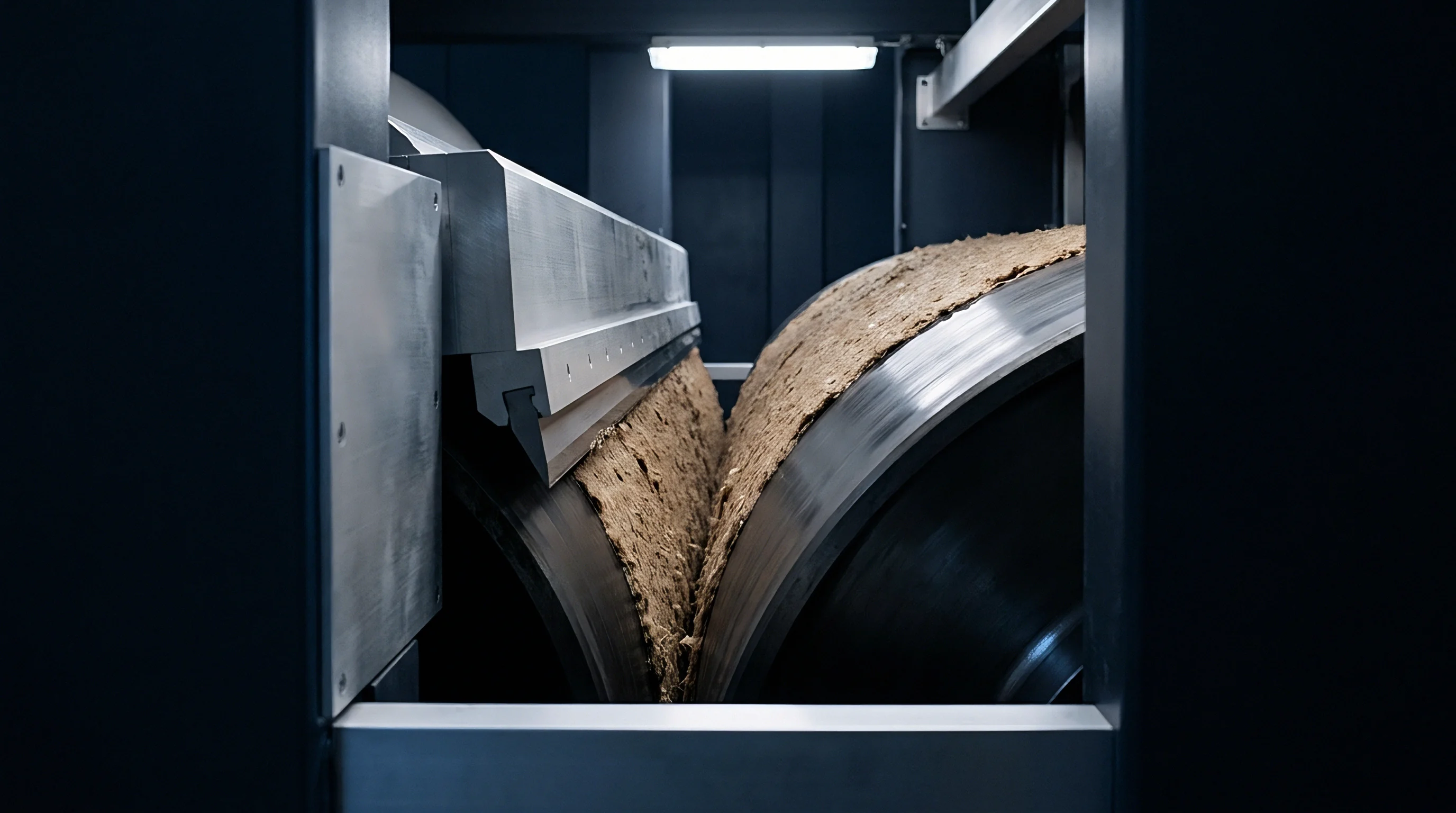
Which Isotopic Markers Isolate European Softwood from Asian Hardwood?
Carbon stable isotope values combined with oxygen isotopic shifts separate temperate gymnosperms from tropical angiosperms. Boreal European softwood kraft pulps feature enriched delta 18O signatures coupled with highly depleted delta 2H ratios due to high-latitude meteoric water inputs. Tropical Asian hardwood pulps from fast-growing acacia plantations exhibit significantly depleted delta 13C values paired with enriched delta 2H values characteristic of humid equatorial precipitation.
Combining carbon and oxygen isotopes resolves source overlap between regions with similar latitudes.
Multi-element ratios yield origin vectors. Incorporating delta 15N measurements adds resolution regarding agricultural fertilization intensity in plantation forestry. Nitrogen isotope values in native boreal forests hover near zero per mil, whereas intensively managed eucalyptus or acacia plantations exhibit elevated delta 15N values from synthetic nitrogen fertilizer applications.
Combining four isotope systems provides sufficient degrees of freedom to resolve complex four-part pulp blends.
| Constituent Fibre Source | Declared Mass Fraction (%) | Isotopic Vector Mean (‰) | Estimated Fraction (%) | 95% Credible Interval (%) |
|---|---|---|---|---|
| Nordic Softwood Kraft (Picea abies) | 40.0 | d13C: -26.2, d18O: +19.8, d2H: -102.0 | 38.5 | 34.1 to 42.8 |
| Iberian Hardwood Kraft (Eucalyptus) | 35.0 | d13C: -28.1, d18O: +28.5, d2H: -42.0 | 36.2 | 31.8 to 40.5 |
| Southeast Asian Acacia (Acacia mangium) | 25.0 | d13C: -30.2, d18O: +24.1, d2H: -35.0 | 25.3 | 21.0 to 29.6 |
| Analytical conditions: Sample pretreated with 1.0M HCl, purified to alpha-cellulose, analyzed via EA-IRMS and TC/EA-IRMS. Bayesian model run with 50,000 Markov Chain Monte Carlo iterations. | ||||

Bayesian Mixing Models for Recycled Fiber Furnish
Mathematical source attribution relies on multi-element isotopic vectors across potential harvest zones. Software packages utilizing Markov Chain Monte Carlo algorithms calculate Dirichlet distribution parameters for each constituent pulp source. Model accuracy depends directly on the completeness of reference isoscape databases.
If a recycled kraft paper blend contains unmapped fiber sources from un-sampled supply basins, the mixing model forcibly attributes that isotopic signal to included end-members, introducing allocation bias.
Reference materials anchor daily drift. Bayesian models must incorporate source uncertainty and analytical measurement error into calculations. Incorporating isotopic variability from seasonal wood growth and regional climate fluctuations prevents over-confident allocation estimates in commercial packaging audit disputes.
Higher latitude softwood harvests demonstrate systematic depletion in heavy hydrogen isotopes relative to equatorial hardwood plantations.
Can Bayesian mixing models conclusively prove compliance when recycled packaging furnish incorporates post-consumer collection streams from more than five distinct geographic zones simultaneously?


Calibration
Accurate isotope ratio mass spectrometry measurement demands rigorous normalization against international isotopic reference materials distributed by the International Atomic Energy Agency and the United States Geological Survey. Instrumental drift, ion source aging, and incomplete combustion in elemental analyzers cause raw mass-to-charge intensity ratios to fluctuate over operating shifts. Normalization anchors raw analytical measurements to defined international scales, including Vienna Pee Dee Belemnite for carbon and Vienna Standard Mean Ocean Water for hydrogen and oxygen.
Mass balance records lack spatial data. Traditional chain of custody certificates document volumetric paper flows across supply networks without proving physical origin. Isotopic calibration connects physical cellulose molecules directly to geographical reference isoscapes.
Calibrating high-throughput continuous flow mass spectrometers requires matrix-matched standard reference materials possessing chemical and physical properties identical to paper pulp samples.

Primary Reference Standard Standardization Protocols
Analytical sequence design requires insertion of international standard reference materials at defined intervals. Standard reference materials IAEA-CH-6, IAEA-600, USGS40, and USGS41a establish linear two-point calibration lines for carbon and nitrogen isotope scale normalization. Measuring secondary in-house working standards, such as microcrystalline cellulose powder standardized against IAEA materials, every eight samples monitors operational drift during continuous sequence execution.
Scale conversion removes laboratory bias. Raw delta values calculated directly from working reference gas pulses must undergo mathematical scale conversion using two-point linear regression. Single-point anchor calibration introduces scale compression errors when sample isotope values fall far outside the reference gas delta value.
- Homogenize pulp sample to micro-powder using cryo-milling in liquid nitrogen to pass a 100-mesh titanium screen.
- Perform acid-base-acid pretreatment using 1.0 Molar HCl and 0.5 Molar NaOH solutions at 70 degrees Celsius to remove inorganic carbonates and soluble adhesives.
- Isolate pure alpha-cellulose via sodium chlorite delignification in acetic acid buffer at 75 degrees Celsius for two hours.
- Rinse residual solids six times with deionized water until filtrate conductivity falls below 5.0 microsiemens per centimeter.
- Dry purified alpha-cellulose in a vacuum oven at 60 degrees Celsius for 16 hours over phosphorus pentoxide desiccant.
- Weigh exact 1.0 milligram aliquots of dried cellulose into tin capsules for delta 13C and delta 15N analysis, or silver capsules for delta 18O and delta 2H analysis.
- Load capsules into elemental analyzer autosampler purge chambers under helium flow to eliminate atmospheric nitrogen and moisture.
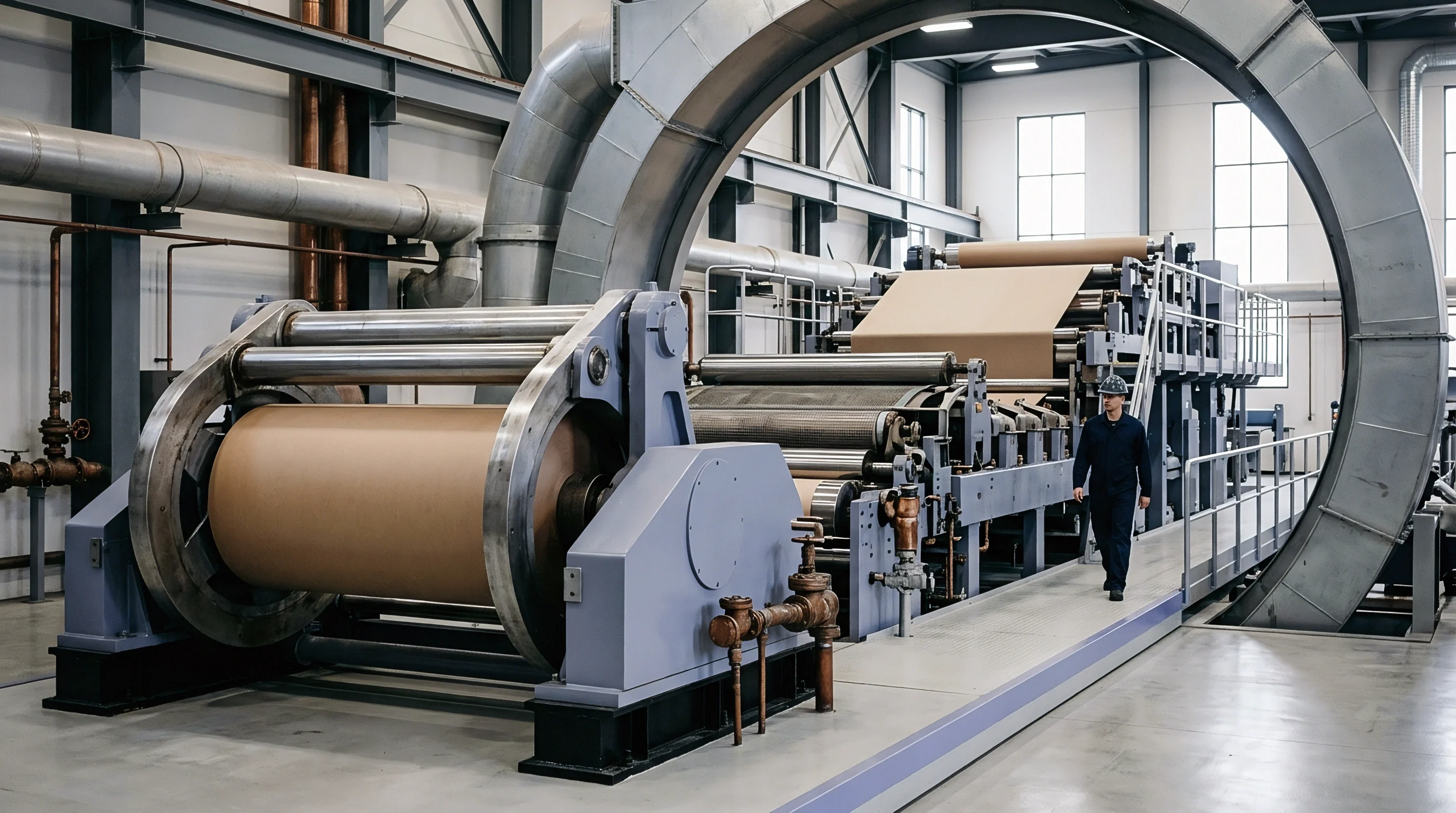
Combustion Interface Conditioning for Fiber Matrices
High temperature oxidation converts organic nitrogen and carbon into pure measurement gases. Continuous flow elemental analyzers burn tin-encapsulated cellulose samples at temperatures exceeding 1000 degrees Celsius under transient oxygen injection. Thermal conversion pyrolysis reactors operate at 1420 degrees Celsius over glassy carbon packings to convert structural oxygen and hydrogen quantitatively into carbon monoxide and hydrogen gases without fractional distillation.
Paper claims demand analytical proof. Laboratory performance standards defined in ISO/IEC 17025 require analytical laboratories to report expanded measurement uncertainties for stable isotope ratios. Standard analytical precision limits sit at 0.15 per mil for delta 13C, 0.30 per mil for delta 18O, 1.5 per mil for delta 2H, and 0.20 per mil for delta 15N.
Commercial suppliers frequently claim that physical isotope testing is unnecessary because paper mills operate certified credit systems under established voluntary forestry standards.


Ledger
Regulatory enforcement frameworks increasingly penalize companies importing paper packaging with unsupported origin declarations. The European Union Deforestation Regulation mandates strict geolocational traceability to the exact forest plot of harvest for primary timber inputs. While post-consumer recycled paper furnish falls under specific regulatory exemptions regarding plot-level coordinates, packaging manufacturers claiming high percentages of post-consumer recycled kraft must prove that non-recycled virgin top-up fibres originate from compliant, legally harvested supply basins.
Discrepancies trigger border customs holds. When customs authorities conduct physical verification audits on imported packaging shipments, laboratory isotopic profiling provides rapid physical evidence verifying or disproving paper document declarations. Discrepancies between physical isotope values and invoice paperwork result in immediate customs holds, bonded warehouse demurrage fees, and formal regulatory investigations.
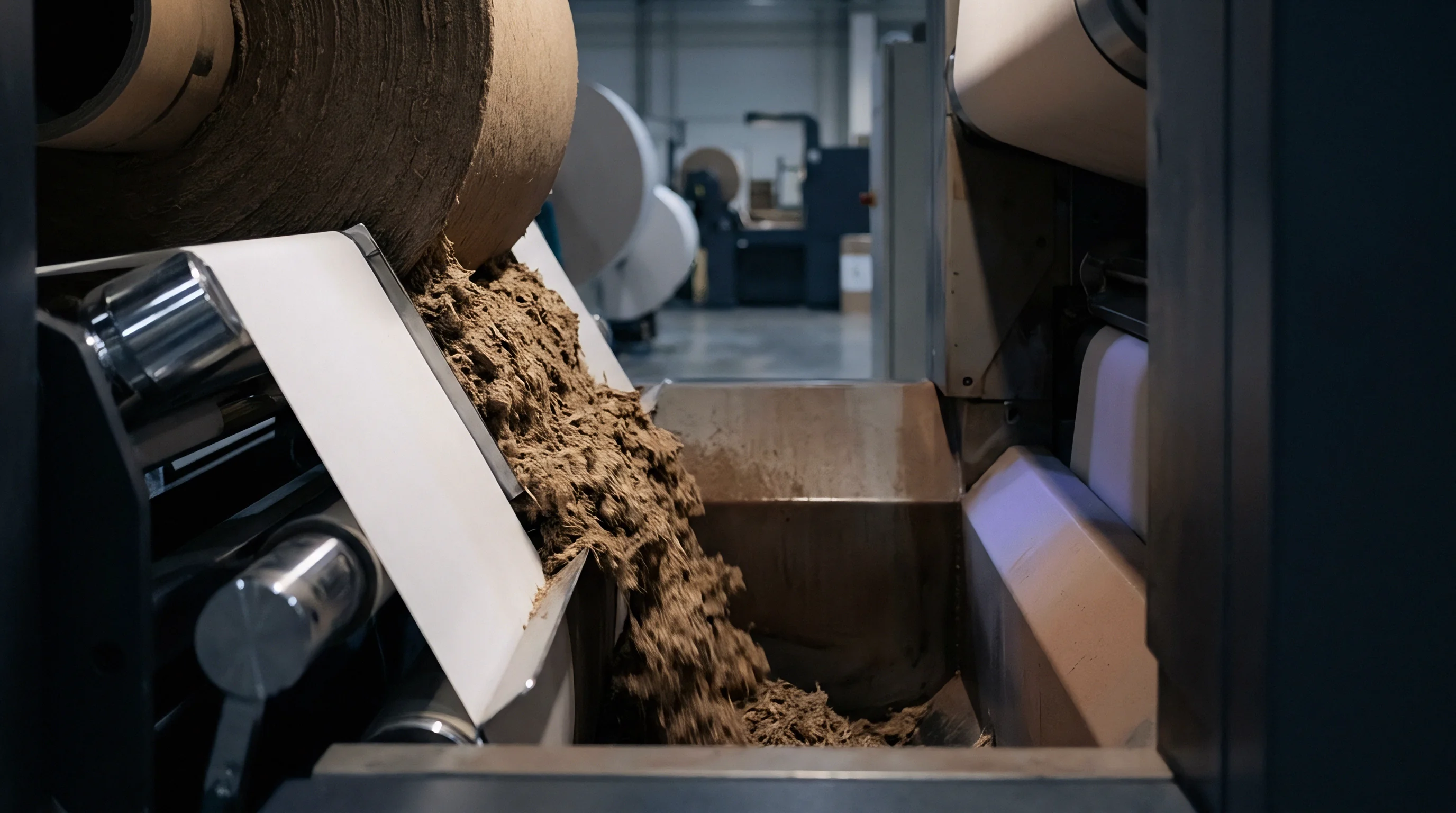
Reconciling Physical Mass Balance with Chain of Custody Claims
Paper mills accounting for post-consumer material under credit systems often pool diverse fiber lots. Credit system accounting permits mills to sell certified recycled paper based on total volume inputs without tracking physical molecules through manufacturing processes. This creates a structural divergence between documentary chain of custody ledgers and physical packaging composition.
An imported batch of kraft linerboard certified under credit rules may contain zero physical recycled fiber or incorporate fibers from uncertified harvest regions.
Isotopic verification bridge document gaps. Physical isotope testing establishes boundary limits for valid mass balance credit claims. When physical isotope testing reveals tropical hardwood fibers inside a linerboard shipment declared as 100 percent European recycled softwood kraft, the buyer faces regulatory exposure under unfair commercial practice legislation regardless of holding valid paper certificates.
- Documentary Scope Alignment verifies that the specific paper grade, grammage, and mill location listed on the chain of custody certificate match the physical consignment notes.
- Physical Isotope Reconciliation compares mass spectrometry delta values against declared supply basin reference isoscapes to identify unmapped fiber contributions.
- Volume Credit Account Auditing checks mill quarterly balance sheets to ensure credit claims do not exceed verified post-consumer recovered paper inputs.
- Species Composition Cross Checking matches fiber anatomy analysis results with geographical isotope signatures to validate declared pulp furnish components.
- Customs Code Harmonization confirms that Tariff Schedule classification numbers match physical paper performance properties and fiber processing types.

Verification Dossier Construction for Regulatory Enforcement
Border inspection agencies request physical testing data when paper documentation shows geographical inconsistencies. Constructing a defensible verification dossier requires combining ISO/IEC 17025 accredited IRMS test reports, Bayesian mixing model output graphs, raw elemental analyzer calibration logs, and physical fiber identification records. Assembling these analytical proof elements into a comprehensive compliance dossier provides legal protection during border enforcement challenges.
Cross-border packaging procurement demands physical analytical verification alongside voluntary certificate tracking. Relying solely on paper claims without testing physical cellulose structures exposes brand owners to supply chain disruption, regulatory fines, and public enforcement actions.
Compliance with EN 16453 isotope testing standards removes commercial liability when multi-origin recycled pulps face customs verification under EUDR regulations.
Standard purchase contract terms specify that packaging consignments failing stable isotope origin verification checks incur immediate rejection, transferring all customs hold costs, analytical testing fees, and return freight charges directly back to the selling mill.