Reconciliation Methods for Yield Loss and Moisture Distortion in Reclaimed Paper Ledgers
Reconciling reclaimed paper ledgers requires converting scale intake weights to bone-dry fiber mass using core probe testing per ISO 287.
Swell

Hygroscopic Equilibrium and Bale Moisture Dynamics
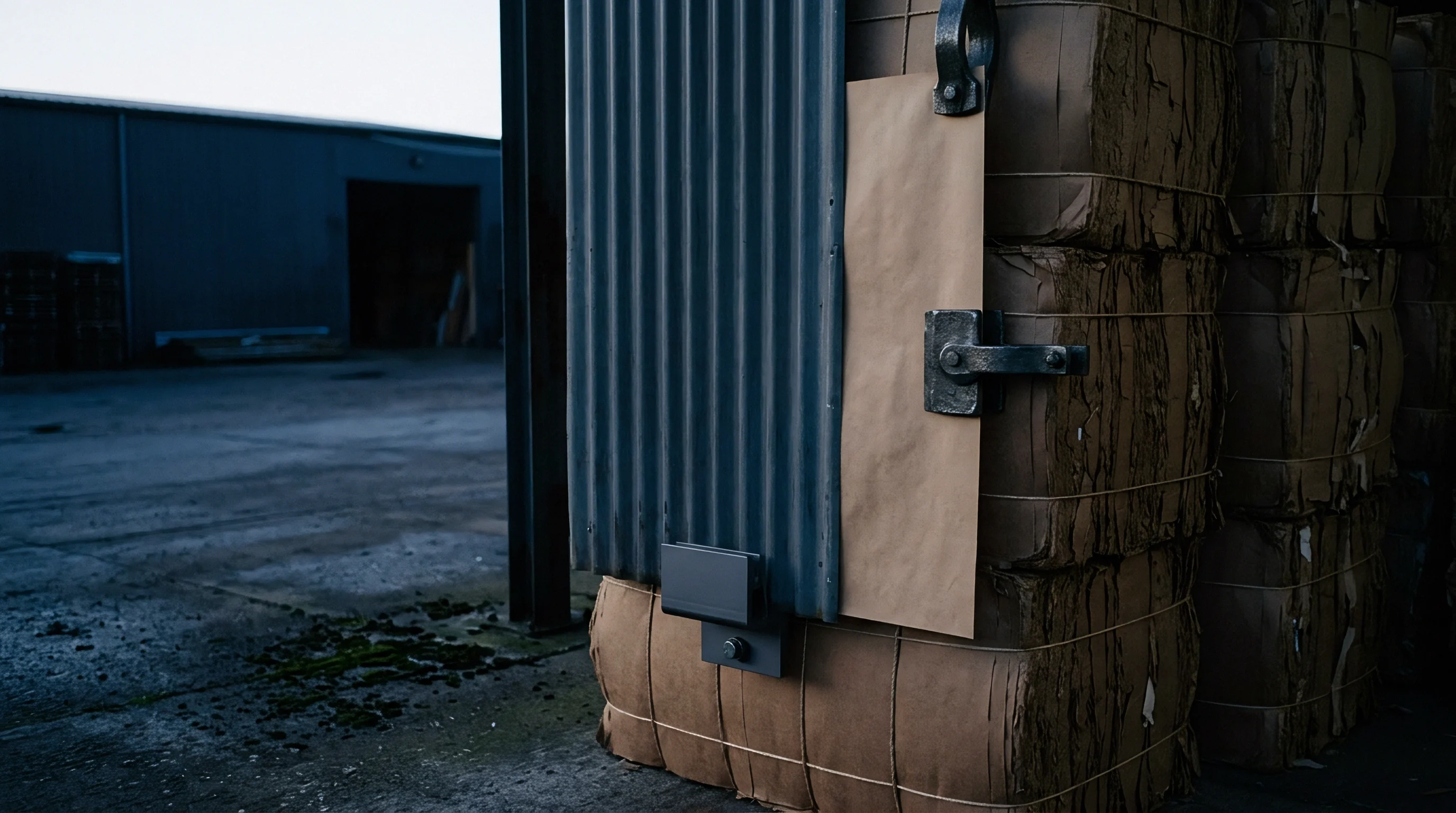
Reclaimed paper stock arrives at the mill gate as a mix of cellulosic fibers, mineral fillers, cross-linked adhesives, and moisture. Bales retain this water through two distinct mechanisms: capillary absorption inside the fiber lumens and cell walls, and physical retention within the matrix voids. Under the ISO 187 standard atmosphere of 23°C and 50 percent relative humidity, paper reaches an equilibrium moisture content between 6.5 percent and 8.5 percent of its bone-dry mass.
Maritime transit or storage in high humidity disrupts this balance. Water molecules bind to accessible hydroxyl groups on hemicellulose and amorphous cellulose chains, swelling the fiber cross-section by up to 15 percent while axial elongation stays under 1 percent.
Absorbed moisture inflates weight on the scale without adding usable fiber to the pulping process.
Compaction densities between 400 and 650 kilograms per cubic meter dictate how quickly moisture moves through a bale. The outer layers react fast to changes in ambient vapor pressure, creating steep moisture gradients between the outer skin and the core. Rain during transit or dockside storage leaves localized wet pockets where moisture can exceed 25 percent of total mass.
That added weight shows up at the weighbridge, but the dry fiber mass hasn’t changed. Intake systems that rely purely on gross tonnage without checking core-depth moisture overstate actual pulp yield. At the same time, swollen fibers alter bulk density inside the pulper, throwing off consistency targets during initial slushing.
Relative humidity fluctuations between 50 percent and 85 percent during sea freight transit increase the gross weight of unlined OCC bales by an average of 4.8 percent without altering the net cellulosic fiber mass.

Distortion Mechanisms in Wet-Weight Intake Records
Logging raw scale weights straight into production systems introduces systematic errors into yield accounting. Buying reclaimed stock on a delivered gross mass basis means absorbed moisture turns directly into a financial loss for the mill. That error cascades downstream.
Hydrapulper consistency controls depend on precise dry mass figures to hit target water-to-fiber ratios; if fed unadjusted gross weights, the system under-doses pulping water and slurry consistency rises above target. That higher consistency drags on the rotor energy load, accelerates wear on extraction plates, and makes heavy contraries harder to separate.
Because recovered bales pull moisture quickly from humid air or direct rain, unadjusted scale readings skew incoming stock metrics.
These mass distortions disrupt physical inventory tracking over months of operation. If a mill receives 10,000 metric tons of old corrugated containers logged at 12 percent moisture when true moisture is actually 16 percent, it overcounts dry fiber inventory by 400 metric tons. That phantom fiber stays on the books until physical stocktaking or pulper reconciliation forces a sudden write-down.
The size of the error tracks seasonal shipping patterns, storage times, and how collectors bundle the paper. Uncovered flatbed trucks expose bale heads directly to rain, driving top-layer moisture spikes that surface checks miss even as total load weight shifts. Scrap suppliers regularly blame higher delivery weights on transpacific shipping humidity.


Shrinkage

Contraries and Ash Fraction Mass Losses
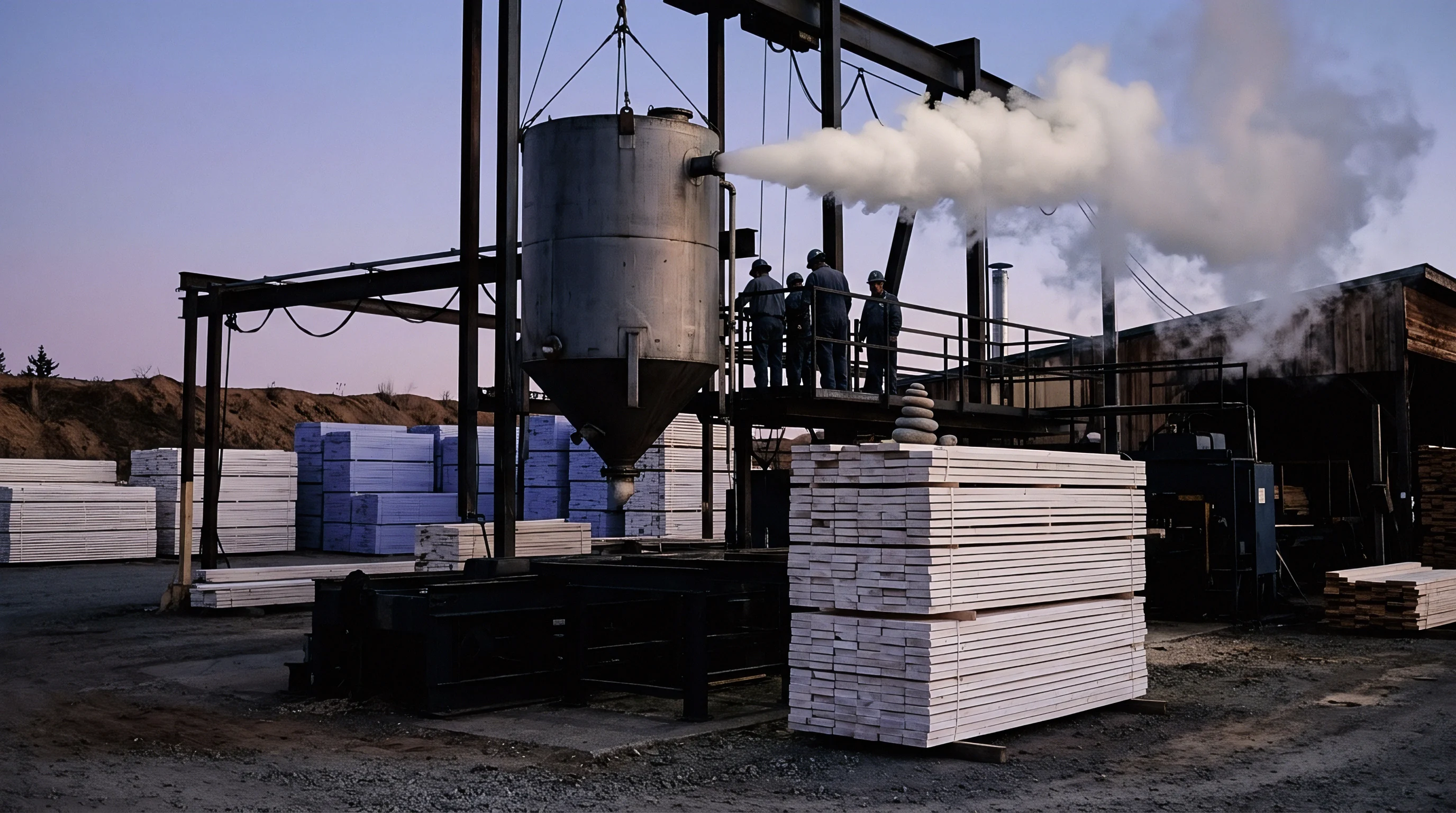
Pulping reclaimed paper stock separates non-papermaking trash from useful fiber. Grade standards under EN 643 cap non-paper components, outthrows, and prohibited materials, but actual bale contents vary wildly between collection sources. Heavy contraries like staples, wire, sand, and glass drop out in the detrasher during initial pulping and coarse screening.
Light contraries ~ film plastics, expanded polystyrene, and pressure-sensitive tapes ~ get rejected by high-density cleaners and slotted screen baskets. Every kilogram of rejected material represents a direct yield loss against incoming gross weight.
Unusable non-paper materials in incoming loads directly reduce overall pulping yield.
Ash content is another major source of mass loss in reclaimed furnish. Mineral fillers like calcium carbonate, kaolin clay, and titanium dioxide make up 10 percent to 35 percent of total mass in graphic papers, de-inked pulp feedstocks, and coated packaging. When pulped and washed, fine mineral particles break free from the fiber matrix and wash through screens into the white water system.
Flotation de-inking targets hydrophobic ink, but it also pulls fine minerals and cellulosic fines into the reject froth. Distinguishing mineral filler loss from true fiber loss requires standard ash testing per ISO 1762 or TAPPI T 211 at 525°C and 900°C.
| Grade Classification | Delivered Moisture Range (%) | Mineral Ash Loss Range (%) | Outthrow Reject Loss Range (%) | Net Cellulosic Fiber Yield (%) |
|---|---|---|---|---|
| EN 643 Grade 1.05 (Old Corrugated Containers) | 8.0 – 14.5 | 2.5 – 4.5 | 1.5 – 3.5 | 80.5 – 86.0 |
| EN 643 Grade 2.02 (Unsold Newspapers) | 7.5 – 11.0 | 8.0 – 12.0 | 0.5 – 1.8 | 77.2 – 82.5 |
| EN 643 Grade 3.11 (Sorted Office Paper) | 6.0 – 9.5 | 14.0 – 26.0 | 1.0 – 2.5 | 64.0 – 77.0 |
| EN 643 Grade 4.01 (Unprinted Bleached Board) | 5.5 – 8.5 | 1.0 – 3.0 | 0.2 – 0.8 | 88.7 – 92.5 |

Fiber Fractionation and Fines Depletion
Mechanical shear from pulping, pumping, and screening cuts fiber lengths down and creates microscopic debris known as fines. As pulp is thickened and washed, these fines wash through wire meshes, permanently reducing furnish mass. The Bauer-McNett fractionator (TAPPI T 233) measures fiber length distribution by passing samples across 16, 30, 50, 100, and 200 mesh screens.
Material passing through the 200-mesh screen (75-micrometer openings) flows into the process water. Unless clarification systems like microflotation units or disc filters capture them, these fines leave the mill as effluent sludge.
High mineral content and fine debris alter paper strength and machine runnability.
Recycling fiber through multiple lifecycles shortens average fiber length and reduces cell wall swelling, accelerating fines generation in secondary mills. Hornification ~ the permanent collapse of internal fiber pores during repeated drying ~ cuts water absorption and weakens inter-fiber bonding. Stock preparation systems end up having to refine the pulp to recover that bonding strength, which cuts fibers further and generates even more fines.
Finding true yield means balancing incoming bone-dry weight against finished paper mass, solid rejects, dissolved organics in process water, and suspended solids in wastewater. Accounting models that ignore water system solids retention regularly miscalculate conversion efficiency.
Effective shrinkage control relies on continuous measurement of fiber fines retention across the forming wire.


Audit

Chain of Custody Ledger Adjustments
Mass balance accounting in certified chain of custody systems requires tight reconciliation between physical stock and documentary credits. Standard frameworks under FSC-STD-40-004 and PEFC ST 2002 dictate how certified claims flow through pulping and converting operations. Mills track incoming reclaimed content in input ledgers by weight.
If raw scrap figures carry unadjusted moisture errors, those errors pass straight into the certified credit bank. FSC percentage calculations and credit entries depend on the bone-dry fiber mass actually fed into the process; logging raw scale weights inflates the certified credits credited to the facility.
Chain of custody ledgers must track bone-dry mass rather than wet scale weights to reflect true fiber balances.
Credit systems let companies claim certified output percentages based on the certified raw material they bring in. FSC rules cap credit account shelf life at 24 months before unallocated credits expire. If a mill receives 5,000 metric tons of FSC Recycled 100% stock invoiced at 10 percent moisture, but core testing shows actual moisture is 18 percent, the credit ledger ends up overstated by 400 metric tons of fiber.
Turning that phantom volume into certified packaging causes compliance failures during annual third-party audits, where auditors routinely check the conversion factors used between intake weights and finished product.
FSC-STD-40-004 Clause 5.1 mandates that mass balance credit calculations utilize conversion factors derived from bone-dry fiber mass determinations rather than gross intake scale weights.

Credit System Reconciliation under Mass Variance
Matching physical inventory to chain of custody credit banks takes systematic adjustments at every stock balance period. Auditors evaluate mass ledger balances against physical counts during quarterly audit cycles. If a physical check shows warehouse dry fiber falling below the balance in credit accounting software, the software figure must be adjusted immediately.
The difference cannot be absorbed by shifting future conversion ratios ~ the certified entity has to take a credit write-down to align documentary balances with real physical dry stock.
Auditors closely scrutinize mass balance entries to ensure physical inventory matches credit ledgers.
Chain of custody rules require conversion factors to reflect actual process losses ~ shrinkage, contraries rejections, and moisture loss. Baseline conversion factors set when a facility opens quickly become obsolete when raw material quality drops or seasonal shifts alter moisture profiles. Auditors review pulper logbooks, screen reject disposal receipts, and sludge press dry-cake weights to verify that conversion ratios match physical reality.
Failing to adjust credit ledgers for moisture and yield losses risks major non-conformities and potential certificate suspension.
Reclaimed fiber accounting systems exhibit several recurring structural failure modes during compliance audits:
- Unadjusted Scale Intake logging gross scale weights directly into FSC or PEFC credit accounts without correcting for core-probe moisture variance.
- Static Conversion Ratios using historical process yield assumptions that ignore higher outthrow levels in lower-grade paper lots.
- Omitted Sludge Adjustments failing to deduct lost fiber fines captured in wastewater treatment sludge from net yield calculations.
- Asymmetrical Credit Allocation assigning 100 percent certified claims to output batches while failing to write off process shrinkage losses in credit ledgers.
Certification scheme rules explicitly require entities to adjust credit accounts whenever physical stock reconciliations demonstrate a discrepancy exceeding 2 percent of total dry fiber throughput.

Clamp

Core Probe and Microwave Sensor Calibration
Getting an accurate moisture reading requires sampling delivered bales directly on the transport vehicles. Handheld electrical resistance pins measure only the outer 25 to 50 millimeters of bale skin, missing deep wet pockets caused by rain or core humidity during bale pressing. Core drills fitted with hollow augers pull continuous samples from the outer edge to the geometric center.
Standard procedures under ISO 287 and TAPPI T 412 require weighing extracted cores immediately, drying them at 105°C ± 2°C until reaching constant mass, and re-weighing to establish absolute dry mass fraction.
Core sampling captures deep-seated moisture that surface probes fail to reach.
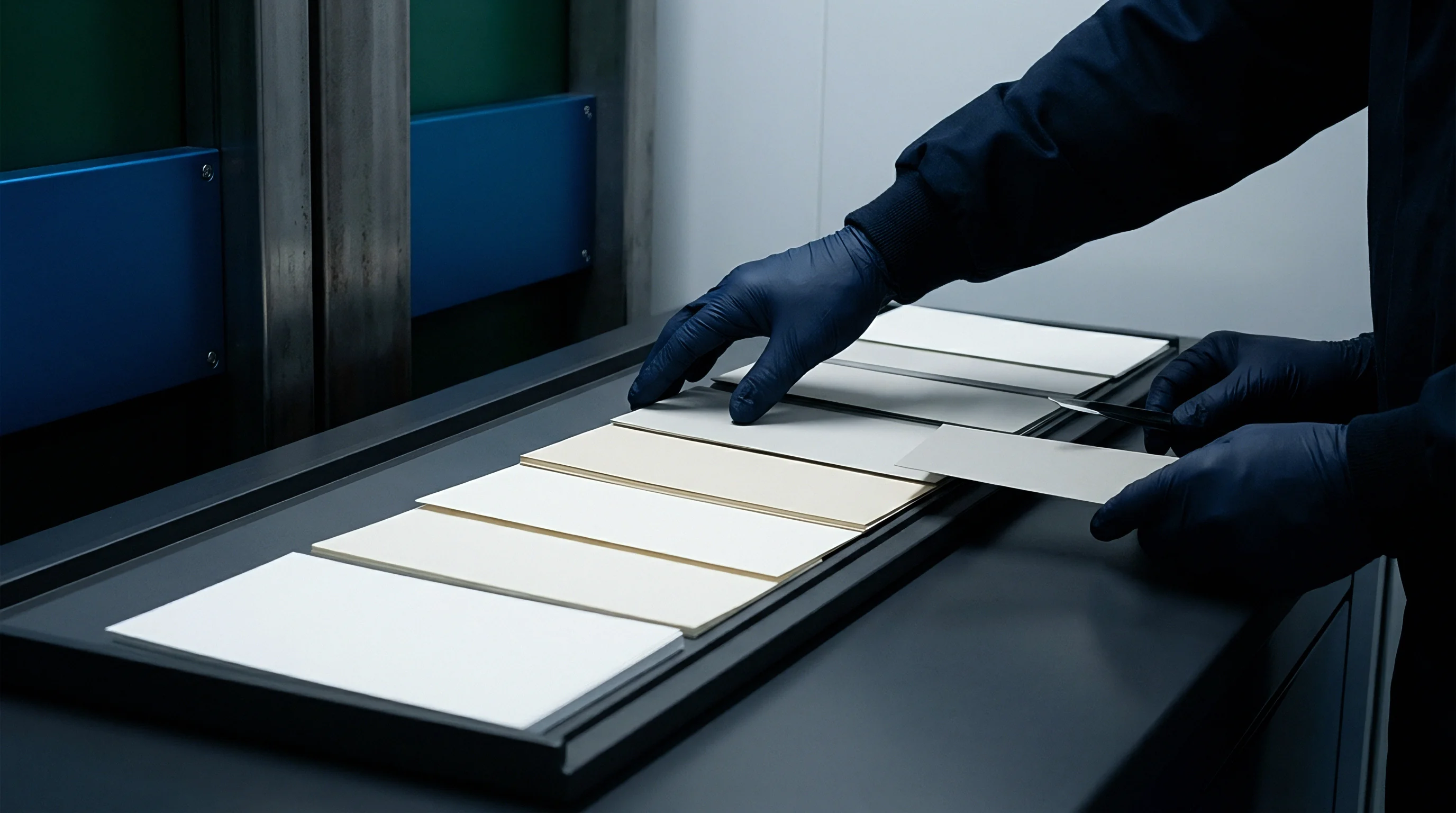
Industrial gate reception systems increasingly use automated microwave attenuation sensors built into hydraulic clamping frames. The clamp exerts 15 to 25 bar across the bale while transmitting high-frequency microwave energy through the mass. Water molecules absorb microwave radiation in direct proportion to total water along the beam path, calculating volumetric moisture and eliminating single-point probe sampling bias.
Effective operation requires calibration matrices tailored to specific paper grades, bale densities, and salt concentrations, since ionic content in recovered paper shifts electrical permittivity.
| Measurement Method | Standard Protocol | Sample Depth / Volume | Measurement Error Band (%) | Calibration Drift Sensitivity |
|---|---|---|---|---|
| Electrical Resistance Pins | TAPPI T 559 modified | 25 mm to 50 mm depth | ± 3.5 % | High (sensitive to ionic surface contaminants) |
| Hollow Core Auger Extraction | ISO 287 / TAPPI T 412 | 0 mm to 750 mm core cross-section | ± 0.3 % | None (primary gravimetric reference method) |
| Hydraulic Microwave Clamp | EN 643 Annex B guidance | Full bale volumetric transmission | ± 0.8 % | Moderate (requires grade-specific density curves) |
| Near-Infrared (NIR) Spectroscopy | ISO 21976 guidance | 1 mm to 3 mm surface layer | ± 2.5 % | High (blind to internal bale moisture core) |

Which Moisture Threshold Invalidates the Mass Ledger?
Receiving inspection protocols define strict threshold limits where scale weights must be rejected or adjusted before posting. When core testing shows average moisture over 12 percent air-dry basis (10.7 percent absolute moisture), the material exceeds commercial limits set by major scrap trade associations. Delivering bales with localized internal wet pockets over 20 percent absolute moisture creates severe pulping errors and triggers biological decay in long-term storage.
Fungal and bacterial action in damp bales degrades cellulose chains, shortening polymer chain length (degree of polymerization) and permanently weakening final sheet strength.
Commercial transactions depend on standardized air-dry mass benchmarks.
Automated gate weighbridges tied to core sampling process intake receipts using direct mathematical conversion. The standard air-dry trade mass calculation converts gross scale weight into billable invoice weight against agreed baseline limits ~ typically 10 percent or 12 percent air-dry moisture depending on regional trade customs. Intake ledgers require direct adjustment whenever core drilling reveals an internal moisture gradient.
The formula adjusts gross weight by the ratio of actual dry content to standard commercial dry content.
Laboratory gravimetric drying at 105°C per ISO 287 remains the sole legally binding reference method for arbitrating high-value moisture intake disputes in international paper scrap commerce.
Sampling Protocol and Weighbridge Reconciliation Math
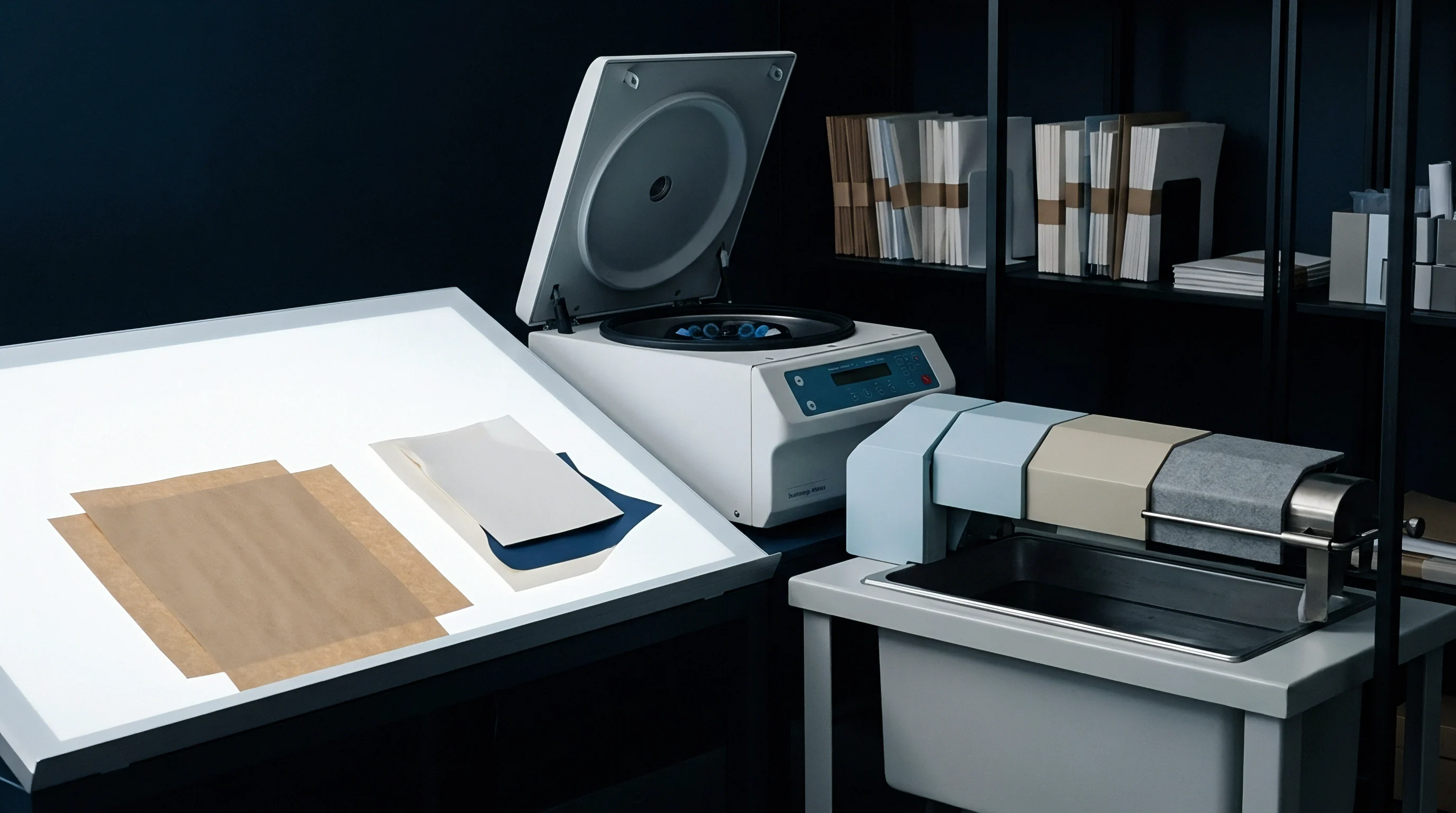
Mills trace every reclaimed fiber batch directly to its weighbridge ticket and corresponding oven-dry report. A defensible intake qualification procedure demands strict statistical sampling. Selecting bales at random across a shipment prevents bias from uneven weather exposure during transit.
Operational gate intake procedures follow a multi-stage validation sequence:
- Gross Mass Logging capturing total vehicle weight on a calibrated weighbridge certified to EN 45501 standards.
- Visual Scrap Grading inspecting bale surface quality for EN 643 compliance, presence of forbidden outthrows, and signs of liquid contamination.
- Stratified Core Drilling extracting core samples from a minimum of 10 percent of bales per truckload using hollow auger drills.
- Gravimetric Moisture Analysis weighing extracted cores immediately in sealed containers followed by 105°C forced-air oven drying.
- Bone-Dry Net Conversion calculating the true dry fiber mass of the shipment using core sample moisture averages.
- Tare Weight Deduction weighing the emptied delivery vehicle to determine net delivered gross mass.
- Invoice Weight Calculation applying commercial dry-basis correction formulas to establish final payable weight.
Consider a delivery of EN 643 Grade 1.05 old corrugated containers with a gross scale weight of 25,400 kilograms and a truck tare weight of 10,200 kilograms, leaving a net delivered gross mass of 15,200 kilograms. The contract sets a standard air-dry baseline of 12 percent moisture content (88 percent bone-dry fiber content). Core probing across ten representative bales indicates an average absolute moisture content of 17.5 percent (82.5 percent bone-dry fiber content).
The delivered bone-dry mass equals 15,200 kilograms multiplied by 0.825, or exactly 12,540 kilograms of bone-dry fiber.
To calculate the payable invoice weight against the 12 percent air-dry contract baseline, divide the 12,540 kilograms of bone-dry fiber by the baseline dry fraction of 0.88. This yields a corrected commercial weight of 14,250 kilograms. The moisture adjustment cuts billable mass by 950 kilograms, keeping the mill from paying paper prices for 950 kilograms of water.
Skipping this core adjustment leads to an immediate commercial overpayment of 6.25 percent on the shipment value. Uncalibrated resistance probes that fail to detect deep internal moisture saturation in maritime bales can trigger delivery halts and severe inventory discrepancies.


Arbitration

Contractual Mass Adjustment Formulas
Commercial scrap paper purchasing contracts set explicit mathematical rules for adjusting billed weights when shipments miss baseline quality standards. Standard forms from the Institute of Scrap Recycling Industries (ISRI) and the Confederation of European Paper Industries (CEPI) set standard moisture allowances. Bales below baseline receive no upward price adjustment, but moisture above agreed limits triggers automatic mass deductions.
Contracts often apply penalty step-functions when moisture levels cross specific risk thresholds.
Swollen fibers alter physical bale density and complicate material handling.
Above 15 percent absolute moisture, handling costs rise: wet bales crush under forklift tines and can collapse in warehouse stacks. Contracts routinely include penalty clauses deducting two units of gross weight for every unit of moisture over 15 percent, offsetting extra storage risks and higher paper machine drying energy. Outthrows beyond agreed tolerances draw additional deductions, since unusable non-paper content forces receiving mills to pay landfill or incineration fees on rejected fractions.

Dispute Escalation and Umpire Assay Protocols
Disputes over moisture content and yield loss require formal resolution mechanisms to prevent commercial deadlock. Standard scrap purchasing frameworks require notice of rejection or weight adjustment within 48 hours of unloading. The material must remain isolated in dedicated holding zones, clearly marked and untouched, to allow seller inspection within five business days.
Building a legally binding mass variance file requires specific documentary evidence:
- Certified Weighbridge Tickets showing gross and tare weights recorded on calibrated, stamped weighing instruments.
- Time-Stamped Sampling Logs recording exact bale selection indices, probe extraction depths, and core sample container numbers.
- Laboratory Test Reports detailing initial wet weight, post-drying mass, temperature logs, and calculated absolute moisture percentages per ISO 287.
- Photographic Evidence documenting visual non-conformities, surface moisture staining, outthrow contaminants, or damaged bale integrity.
- Calibrated Instrument Certificates proving that test equipment possessed valid traceability to national measurement standards on the date of testing.
If the supplier rejects the buyer’s laboratory findings, the contract’s umpire clause activates. An accredited independent laboratory takes fresh core samples from the isolated bales with representatives from both parties present. The umpire’s gravimetric test findings bind both buyer and seller.
Whichever party’s original claim diverged furthest from the umpire result pays the assay cost and accumulated storage fees. What specific variance threshold justifies the administrative fee of invoking third-party umpire arbitration when core moisture readings deviate by under two percent?

Settlement

Customs Valuation and HS 4707 Weight Corrections
Cross-border shipments of reclaimed paper stock under Harmonized System (HS) heading 4707 require accurate mass reporting for customs duties, export statistics, and environmental quotas. Customs authorities mandate that declared weights reflect net fiber mass. When ocean shipments absorb ambient moisture in transit, bill of lading weights diverge from true fiber weight.
Importers declaring unadjusted gross scale weights pay inflated duties and value-added taxes on phantom mass.
Unadjusted water weight skews tax calculations and customs valuations.
Customs rules allow post-clearance duty adjustments if importers provide accredited laboratory proof that moisture distortion occurred prior to clearance. Under European Union customs regulations and equivalent codes, refund claims require official weight adjustment certificates from recognized inspection bodies. Corrected declarations align financial books with physical imports and satisfy extended producer responsibility schemes, where fee structures penalize excess outthrows and high moisture levels that add to municipal waste loads.
| Financial Metric / Operational Step | Contract Baseline Terms | Uncorrected Intake Scenario | Reconciled Intake Scenario |
|---|---|---|---|
| Delivered Gross Shipment Mass | 100.0 Metric Tons | 100.0 Metric Tons | 100.0 Metric Tons |
| Average Core Moisture Fraction | 10.0 % (Air-Dry Basis) | 18.5 % (Absolute Moisture) | 18.5 % (Absolute Moisture) |
| Net Bone-Dry Fiber Mass Received | 90.0 Metric Tons | 81.5 Metric Tons | 81.5 Metric Tons |
| Billable Mass Base (10% Basis) | 100.0 Metric Tons | 100.0 Metric Tons | 90.55 Metric Tons |
| Base Material Cost (€200 / Ton) | €20,000.00 | €20,000.00 | €18,110.00 |
| Import Duty & Tariffs (6.5% Rate) | €1,300.00 | €1,300.00 | €1,177.15 |
| Effective Net Cost per Dry Ton | €236.67 / Dry Ton | €261.35 / Dry Ton | €236.65 / Dry Ton |

Financial True-Up and Credit Note Mechanics
Executing financial settlements based on mass reconciliation requires formal credit notes or commercial invoice adjustments. Accounting departments process true-ups by checking initial receiving logs against audited laboratory dry-weight reports. Scrap procurement contracts built with explicit bone-dry mass adjustment formulas prevent border tariff disputes.
When laboratory testing shows delivered fiber fell below invoice specifications, the buyer issues a debit note reducing the payable amount to match true bone-dry mass values.
Accurate financial true-ups keep procurement costs aligned with real yields.
Integrating weighbridge software, lab management systems, and ERP platforms automates credit note calculations. This automation cuts manual data entry errors and updates inventory ledgers, tax files, and chain of custody credit banks simultaneously. Reconciling moisture variance and yield shrinkage converts raw scale weights into reliable dry fiber units.
Establishing verified dry-mass baselines protects mills from overpayment, maintains chain of custody compliance during audits, and provides solid backing for customs declarations.
Financial accounting teams close monthly material books by matching physical pulp yield ledgers against bank settlement records, ensuring that every paid euro corresponds directly to verified bone-dry fiber delivered to the pulper chest.