Resolving Water Vapor Barrier Breakdown in Highly Hydrated Bio Based Microfibrillar Packaging Coatings
Glyoxal crosslinking and nano-clay platelets prevent moisture plasticization in microfibrillar coatings while preserving paper recyclability.
Hydration
Cellulose microfibrils offer exceptional gas isolation when completely dry. In pristine microfibrillar cellulose coatings, dense networks of crystalline nanofibrils link together through hydrogen bonds between adjacent hydroxyl groups. This tight physical arrangement restricts free volume, yielding oxygen barrier performance that competes with synthetic ethylene vinyl alcohol resins.
Under standard dry testing environments of twenty-three degrees Celsius and fifty percent relative humidity, a coat weight of five grams per square meter yields a water vapor transmission rate below ten grams per square meter per day.
Exposure to elevated relative humidity fundamentally alters this polymer geometry. Ambient moisture infiltrates amorphous cellulosic domains through hydrogen bonding sites. Water molecules compete directly with inter-fibril hydroxyl pairs, breaking structural linkages and plasticizing the cellulosic matrix.
Crystalline domains restrict free volume. Water molecules plasticize amorphous cellulose. Hydrogen bonds break rapidly.
As water molecules cluster along the cellulose chains, the film absorbs moisture, swelling the network and expanding distance between fibrils. This physical separation opens pathways for water vapor diffusion, causing non-linear increases in permeation rates once environmental moisture exceeds sixty-five percent relative humidity.

Mechanisms of Water Sorption in Microfibrillar Films
Infiltration of water vapor follows a dual-mode sorption model combining Langmuir site-binding with Flory-Huggins solution behavior. At low relative humidity, water molecules adsorb to specific un-bonded hydroxyl groups on fibril surfaces without disrupting film integrity. Above sixty percent relative humidity, multi-layer sorption initiates.
Water molecules aggregate into mobile clusters within the polymer matrix. This transition marks the onset of plasticization, lowering the glass transition temperature of amorphous cellulose below ambient operating temperatures.
The structural consequences of plasticization manifest across three distinct physical phases during storage or transit:
| Relative Humidity (%) | Temperature (°C) | Equilibrium Moisture Content (wt%) | Film Thickness (µm) | WVTR (g/(m²·day), ISO 2528) |
|---|---|---|---|---|
| 50 | 23 | 6.2 | 4.1 | 8.4 |
| 75 | 23 | 11.8 | 4.5 | 42.1 |
| 85 | 23 | 18.5 | 5.2 | 165.0 |
| 90 | 38 | 24.1 | 6.0 | 380.0 |
Matrix swelling accelerates when coatings contact high water activity contents such as fresh produce, chilled meats, or moist bakery products. Water vapor moves along osmotic gradients, driving moisture into the hydrophilic coating. The localized equilibrium moisture content within the coating layer rises rapidly, dissolving weak surface bonds and promoting dimensional instability across the board interface.
At ninety percent relative humidity and twenty-three degrees Celsius, unmodified microfibrillar cellulose coatings suffer a thirty-fold increase in water vapor transmission rate compared to fifty percent relative humidity baselines.
Converters frequently encounter performance claims established strictly under dry test protocols. Material suppliers often argue that barrier degradation under humid conditions reflects substrate deformation rather than chemical failure of the microfibrillar network, attributing performance losses to converted box rigidity rather than moisture-induced film swelling.

Morphology
Nanostructural reinforcement restricts polymer chain relaxation within humid environments. Stabilizing microfibrillar networks against moisture breakdown requires altering chemical reactivity while introducing physical tortuosity. Chemical modification targets free hydroxyl groups, replacing hydrophilic moieties with hydrophobic functionality or establishing covalent crosslinks that resist moisture displacement.
Crosslinking strategies introduce multifunctional agents capable of bridging adjacent microfibril chains. Dialdehydes such as glyoxal react with cellulose hydroxyls to form stable acetal linkages. Polycarboxylic acids, including citric acid and 1,2,3,4-butanetetracarboxylic acid, form ester bonds under high-temperature curing.
Hydrophobic modification delays moisture ingress. Nano-clay platelets extend diffusion paths. Crosslinker hydrolysis causes early breakdown.
Inorganic crosslinkers like ammonium zirconium carbonate generate coordination complexes with hydroxyl groups during water evaporation, creating a water-resistant network that preserves spatial arrangements under high humidity.

Crosslinking Density and Hydrophobic Phase Separation
Covalent bonds between adjacent hydroxyl groups reduce matrix swelling under elevated moisture levels. Incorporating hydrophobic co-binders such as styrene-butadiene latex, polyhydroxyalkanoates, or bio-based alkyd emulsions creates a biphasic structure. Microfibrillar networks furnish gas isolation and tensile strength, while dispersed hydrophobic domains impede water vapor ingress.
Achieving structural integrity depends on preventing macro-phase separation, which generates micro-voids at domain interfaces and creates low-resistance diffusion channels.
Enforcing physical tortuosity involves blending high-aspect-ratio inorganic nanoplatelets into the microfibrillar dispersion. Purified montmorillonite, vermiculite, or synthetic mica orient parallel to the substrate during film deposition. Water vapor molecules cannot pass through mineral platelets, forcing penetrant paths around inorganic obstacles.
This elongated diffusion path maintains lower permeation rates even when the surrounding cellulosic matrix absorbs moisture.
- Interfacial Delamination occurs when differential moisture swelling between the microfibrillar layer and the base paperboard generates internal shear stress exceeding substrate surface strength.
- Clay Platelet Agglomeration arises from high ionic strength in coating formulations, forming micro-clusters that reduce effective aspect ratios and create pinhole pathways.
- Crosslinker Hydrolysis takes place during extended storage under tropical conditions, hydrolyzing ester or acetal bonds and restoring moisture sensitivity.
- Pore Bridge Rupture happens when high drying rates vaporize trapped moisture beneath the semi-permeable film, creating microscopic surface craters.
Balancing hydrophobic crosslinking against physical tortuosity follows clear chemical limits. Increasing crosslinker density beyond optimal stoichiometry embrittles the dry film, promoting flex-cracking during scoring and folding operations on converting lines.

Steam
High relative humidity environments induce severe vapor pressure gradients across packaging materials. Quantifying water vapor transmission rate (WVTR) under tropical or cold-chain conditions requires strict adherence to environmental parameters, sample mounting protocols, and detection methods. Standard room conditions fail to predict performance for packaging intended for high moisture foods.
Laboratory assessments measure permeation across controlled relative humidity differentials. ISO 2528 defines gravimetric dish testing, measuring weight change in desiccant-filled cups sealed with test specimens. While ISO 2528 provides baseline comparisons, testing under tropical conditions (38°C and 90% RH according to TAPPI T464) accelerates polymer relaxation and exposes microfibrillar film defects.
ASTM E96 offers options for dry cup and wet cup configurations; wet cup protocols place liquid water inside the test dish, exposing the inner coating face to one hundred percent relative humidity and measuring outward vapor flux.
Standard Test Conditions for Wet Barrier Evaluation
Gravimetric methods suffer from stagnant air boundaries inside test dishes, which underestimate true permeation rates for high-barrier materials. Dynamic instrumentation using modulated infrared sensors (ASTM F1249) or electrolytic sensors (ISO 15106-3) sweeps carrier gas across the dry side of the film, maintaining precise vapor pressure differentials and yielding continuous transmission curve data.
How Does Ambient Condensation Alter Test Dish Measurements?
Free liquid droplets resting on the coated surface create localized osmotic pressures. Condensation accelerates surface swelling. Desiccant gravimetric cups measure steady flux.
Wet cups expose edge sealing flaws. Water droplets plasticize the immediate surface, swelling microfibrillar networks faster than atmospheric vapor diffusion alone. This localized hydration triggers premature barrier collapse, generating permeation spikes that mask baseline material capabilities.
| Test Standard | Temperature (°C) | Relative Humidity Delta (%) | Detection Technique | Applicability Boundary |
|---|---|---|---|---|
| ISO 2528 | 23 / 38 | 50 → 0 / 90 → 0 | Gravimetric dish mass change | Screening tool; underestimates high flux rate dynamics. |
| TAPPI T464 | 38 | 90 → 0 | Gravimetric high-humidity dish | Simulates tropical storage; slow to reach equilibrium. |
| ASTM E96 (Wet) | 23 / 38 | 100 → 50 | Inverted water dish gravimetric | Measures direct liquid contact resilience; prone to edge leaks. |
| ASTM F1249 | 23 / 38 | 50 → 0 / 90 → 0 | Modulated infrared sensor | Precise for high-barrier materials; sensitive to sample creasing. |
Evaluating wet barrier integrity requires distinguishing between vapor diffusion and capillary liquid transport. Pinholes or micro-cracks act as capillary channels under liquid contact, driving bulk water flow through the packaging layer independent of molecular permeation pathways.
Compliance declarations based solely on ISO 2528 dry-cup measurements at fifty percent relative humidity fail to protect buyers from product collapse under cold-chain condensation conditions.
Relying on low-humidity test data to validate packaging for high water-activity goods leads directly to localized package softening, structural box crushing, and premature shelf-life failure during distribution.
Web
Machine application of aqueous cellulose dispersions requires strict coat weight control across the substrate. Converting bio-based coatings onto paper or folding boxboard demands managing coating rheology, surface energy, absorbency, and drying kinetics. Microfibrillar cellulose suspensions exhibit pronounced shear-thinning behavior, high low-shear viscosity, and high water retention, which complicate uniform metering at commercial coater speeds.
Application techniques dictate final film continuity. Rod coating with smooth or grooved metering rods applies uniform volumetric coat weights but forces high hydraulic pressure at the nip, driving aqueous vehicle deep into the base sheet. Slot-die and curtain coating methods lay down pre-metered liquid films without contact stress, preserving film continuity over rough board surfaces.
Metering rods dictate dry film thickness. Excessive drying heat forms surface pinholes.
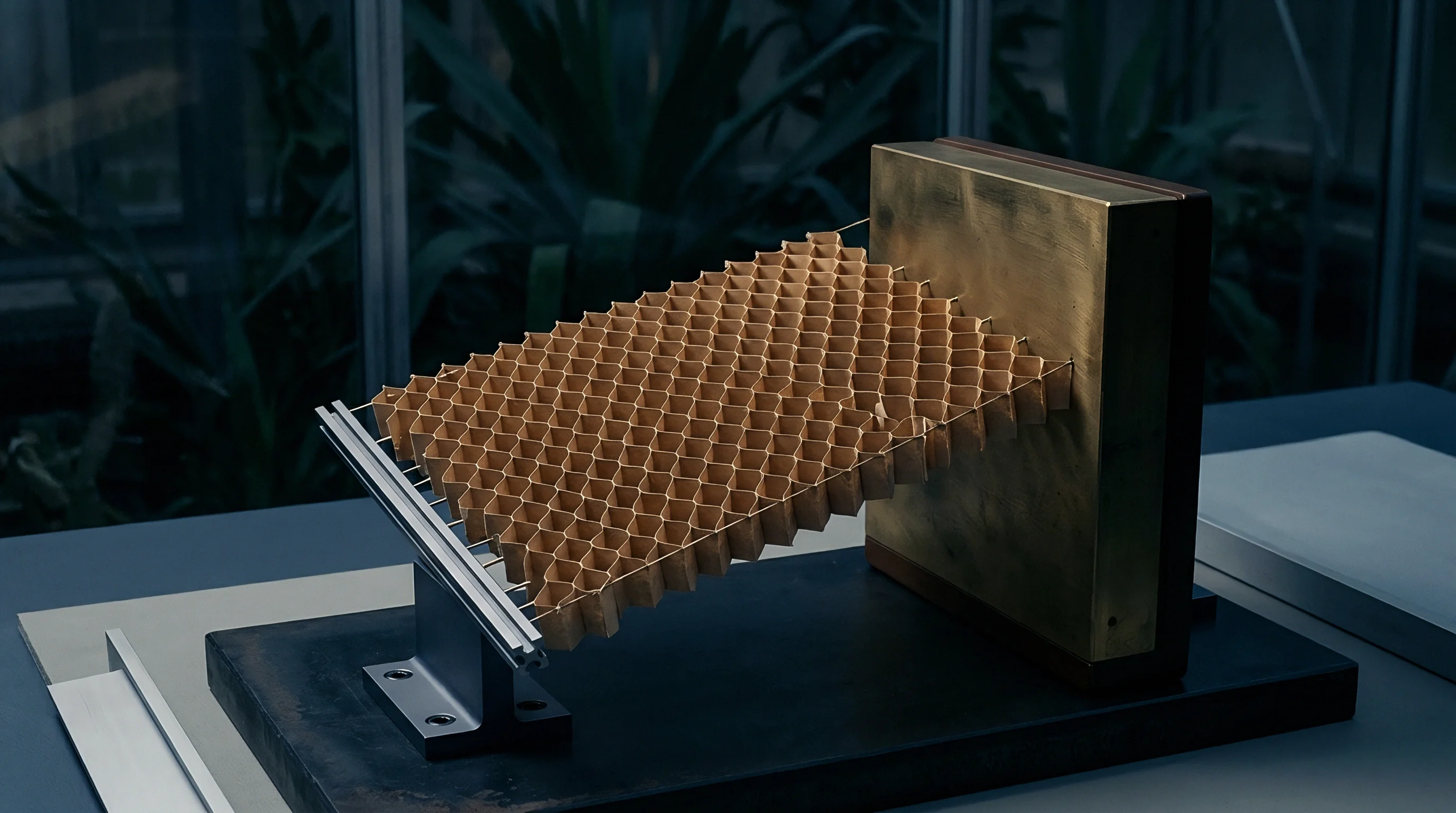
Coating Rheology and Drying Temperature Profiles
Viscosity control during high-speed metering dictates final film uniformity. Aqueous microfibrillar formulations contain high water ratios, typical solids content ranges from three percent to twelve percent. Applying five grams per square meter of dry coat weight requires depositing forty to one hundred fifty grams per square meter of wet dispersion.
Dewatering begins instantly upon contact with porous paperboard, increasing solids content at the interface and altering film formation mechanics.
Drying profiles require precise zone management. Rapid initial infrared or hot-air drying vaporizes water faster than it can diffuse through the gel layer, generating steam micro-explosions that leave pinholes. Progressive drying profiles start at low temperatures (60°C to 80°C) to consolidate the microfibrillar gel without boiling trapped water, escalating to high temperatures (120°C to 140°C) in later zones to activate chemical crosslinkers.
Consider a commercial converting line running a two hundred twenty gram per square meter folding boxboard substrate coated with a crosslinked microfibrillar dispersion. Target dry coat weight equals eight grams per square meter. Operating at three hundred meters per minute with an initial drying air temperature of one hundred forty degrees Celsius causes skinning; surface water evaporates, forming a dense top crust while sub-surface moisture remains trapped.
Sub-surface steam pressure builds to forty kilopascals, puncturing the top crust and creating seven to twelve pinholes per square centimeter. Lowering initial drying zone temperatures to seventy-five degrees Celsius while extending dwell time maintains an open structure, allowing moisture to escape without puncturing the surface. Subsequent high-temperature curing at one hundred thirty degrees Celsius completes crosslinking, reducing final pinhole frequency to zero and lowering ninety percent RH WVTR from two hundred forty to twenty-two grams per square meter per day.
- Pre-condition base paperboard to five percent equilibrium moisture content to balance surface absorbency and reduce initial vehicle take-up.
- Apply a high-solids bio-based primer layer at two grams per square meter to seal substrate macro-pores and establish uniform surface energy.
- Deposit microfibrillar coating dispersion via pre-metered slot-die at target wet thickness under constant line tension.
- Pass web through low-velocity air flotation drying zone at seventy degrees Celsius to consolidate the wet gel without crust formation.
- Elevate web temperature to one hundred thirty5 degrees Celsius in infrared drying section for forty seconds to complete crosslinking reaction.
Coatings applied over porous un-sized paperboard require double the dry coat weight to achieve the water vapor resistance of a pre-coated baseline sheet.
How do crosslinking additives alter dispersion viscosity during long production runs where recirculating coating tanks experience continuous shear and temperature accumulation?
Audit
Documenting regulatory compliance requires verifying both food contact safety and end-of-life recovery pathways. Incorporating bio-based barrier coatings into commercial packaging introduces multi-jurisdictional compliance demands. Claims regarding compostability, recyclability, or food contact safety must stand up to audit against harmonized testing standards and regulatory frameworks.
Recyclability verification follows standard pulping protocols such as EN 13430 and the Cepi recyclability laboratory guidelines. Crosslinkers and synthetic co-binders introduced to suppress water vapor breakdown must not prevent fiber re-slurryability. Heavy crosslinking or insolubilized films can form non-dispersible flakes, generating visual contaminants or sticky residues (stickies) that clog paper machine wires and lower recycled pulp yield.
Residual monomer levels trigger migration failures. Stickies cause paper machine downtime.
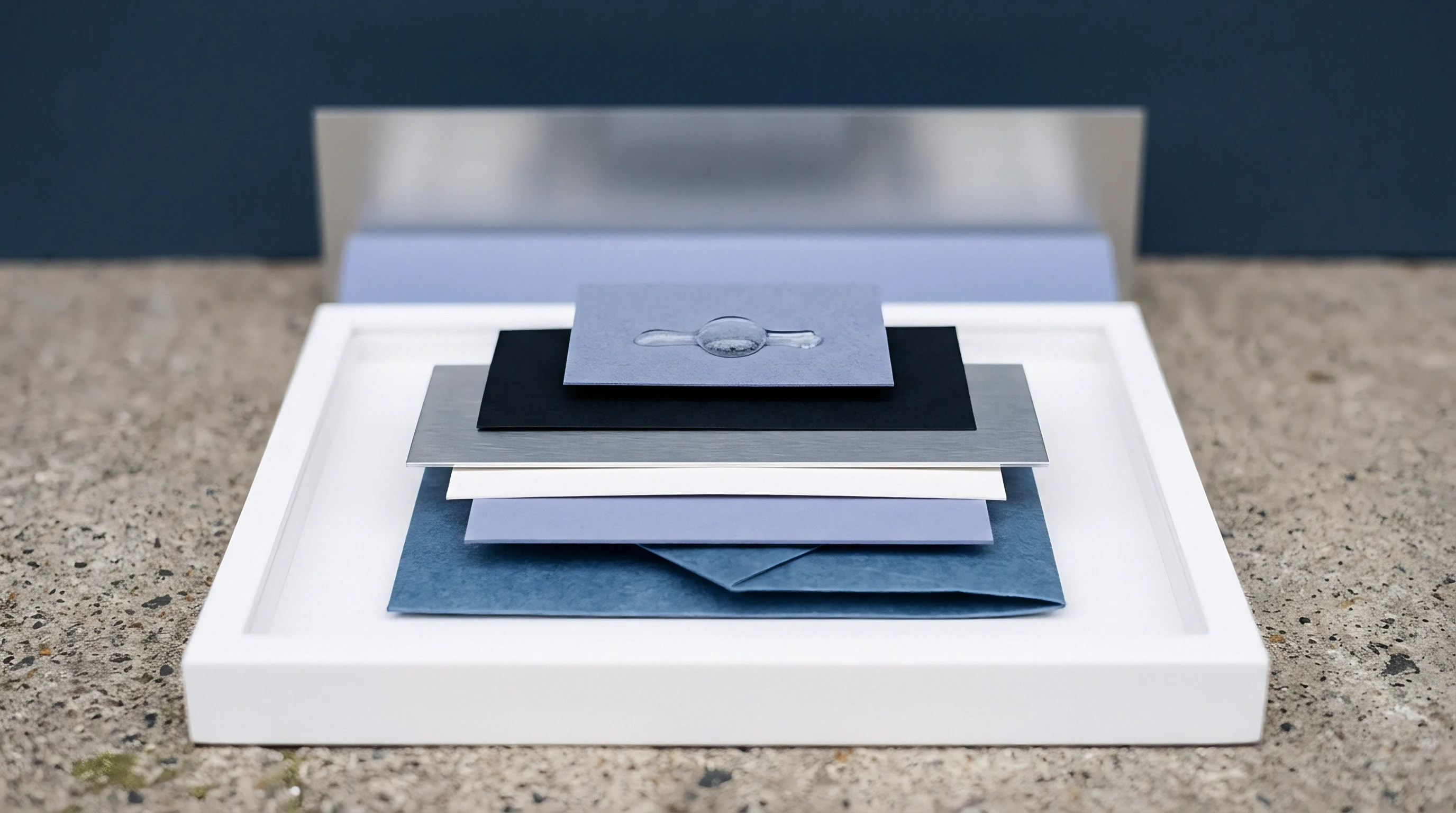
Conformity Assessment for Recyclability and Compostability
Laboratory pulping protocols measure fiber recovery rates from coated paperboard stock. High-shear pulping at neutral pH must yield over eighty-five percent clean fiber recovery to pass standard European recycling grades. When coatings contain insolubilized crosslinked networks, screening operations remove the barrier film as micro-rejects, decreasing overall material efficiency and raising disposal costs for paper mills.
Industrial compostability under EN 13432 or ASTM D6400 evaluates material breakdown across three stages: disintegration within twelve weeks, ultimate biodegradation within six months, and plant ecotoxicity testing of resulting compost. Chemical crosslinking with persistent synthetic compounds (such as polyamide-epichlorohydrin resins) can slow microbial disintegration, exceeding maximum allowable fragment retention on a two-millimeter sieve.
| Regulatory Scheme | Test Framework | Critical Compliance Threshold | Verification Document Required |
|---|---|---|---|
| EU Food Contact | Framework Regulation (EC) 1935/2004 & BfR XXXVI | Overall migration <10 mg/dm²; specific limits for aldehydes | Declaration of Compliance (DoC) with analytical migration report |
| EU Recyclability | EN 13430 & Cepi Recyclability Protocol | Mass yield >85%; coarse reject fraction <5% | Mill recyclability assessment certificate from accredited laboratory |
| Industrial Compost | EN 13432 / ASTM D6400 | Disintegration >90% in 12 weeks; biodegradation >90% in 180 days | TÜV / DIN CERTCO compostability certificate and eco-toxicity report |
| EU PPWR Readiness | Draft PPWR Recyclability Performance Classes | Grade A or B recyclability score at scale | Third-party laboratory design-for-recycling assessment file |
Food contact verification requires analytical testing under Regulation (EC) No 1935/2004 and national recommendations such as BfR XXXVI for paper and board. Overall migration testing using simulant E (poly(2,6-diphenyl-p-phenylene oxide), Tenax) evaluates volatile and semi-volatile component transfer at elevated temperatures. Crosslinker residues, unreacted glyoxal, or low-molecular-weight dispersant additives must remain below Specific Migration Limits (SML) to ensure consumer safety.
- Certificate Scope Matching verifies that certified grammages, coat weights, and formulation variants match shipped stock specifications exactly.
- Conditioned WVTR Validation confirms transmission rates were tested under high relative humidity conditions rather than dry baselines.
- Migration Simulant Verification checks that food contact reports used appropriate test simulants and contact times for the intended foodstuff.
- Batch CoC Traceability ensures delivery documentation links physical reel numbers directly to mill compliance testing files.
Crosslinking additions that optimize water vapor resistance frequently trigger re-slurry failures during standard pulp recycling assessments.
Standard sales contracts must incorporate explicit performance clauses requiring suppliers to deliver declarations of compliance citing specific analytical testing conditions, shifting financial liability for non-compliant migration or recyclability failure back to the chemical compounder.
Remedy
Financial exposure from packaging breakdown falls on the importer of record upon customs inspection. When bio-based packaging fails under transport humidity, losses extend beyond destroyed board stock. Water vapor ingress destabilizes structural integrity, leading to collapsed pallets, damaged primary goods, brand damage, and regulatory enforcement fines under green claims legislation if environmental properties conflict with real-world end-of-life performance.
Securing supply chains against barrier failure requires robust commercial risk management. Packaging buyers must align technical purchase specifications with actual distribution realities. Defining target water vapor transmission rates strictly at twenty-three degrees Celsius and fifty percent relative humidity leaves buyers legally unprotected when product damage occurs in high-humidity logistics channels.
Border detentions generate demurrage charges.
Commercial Risk Mitigation and Quality Guarantees
Technical purchase specifications specify performance parameters under both standard and tropical conditions. A comprehensive procurement file specifies maximum allowable WVTR under standard conditions (23°C / 50% RH) and tropical conditions (38°C / 90% RH), alongside pinhole frequency caps, minimum Cobb values, and re-slurryability thresholds. Establishing dual-tier acceptance criteria prevents suppliers from claiming compliance based solely on flattering dry laboratory assessments.
Landed cost calculations must weigh material premiums for fortified bio-based coatings against financial risks of product loss. Standard unmodified microfibrillar cellulose coatings add a baseline cost of approximately 0.04 EUR per square meter over un-coated SBS board. Fortifying the formulation with glyoxal crosslinking and montmorillonite clay platelets increases coat material costs to 0.09 EUR per square meter.
However, for high-value goods such as roasted coffee beans or specialty milk powders, a single pallet failure caused by moisture ingress generates product losses exceeding 4,000 EUR, alongside customs hold fees and disposal costs. Investing in stabilized coating chemistry protects landed goods values across extended transport chains.
Quality assurance protocols demand routine batch testing of incoming packaging lots. Statistical sampling according to ISO 2859-1 verifies that barrier properties remain consistent across production runs. Measuring moisture content, coat weight uniformity, and wet-cup WVTR across sample reels confirms that delivered pallets match certified prototype values, preventing un-stabilized grade substitutions from reaching filling lines.