Verifying Industrial Compostable Scope Boundaries across Converted Packaging Supply Chains
Verify finished packaging geometry and converting chemistries directly against registration registers to prevent customs holds on uncertified composite goods.
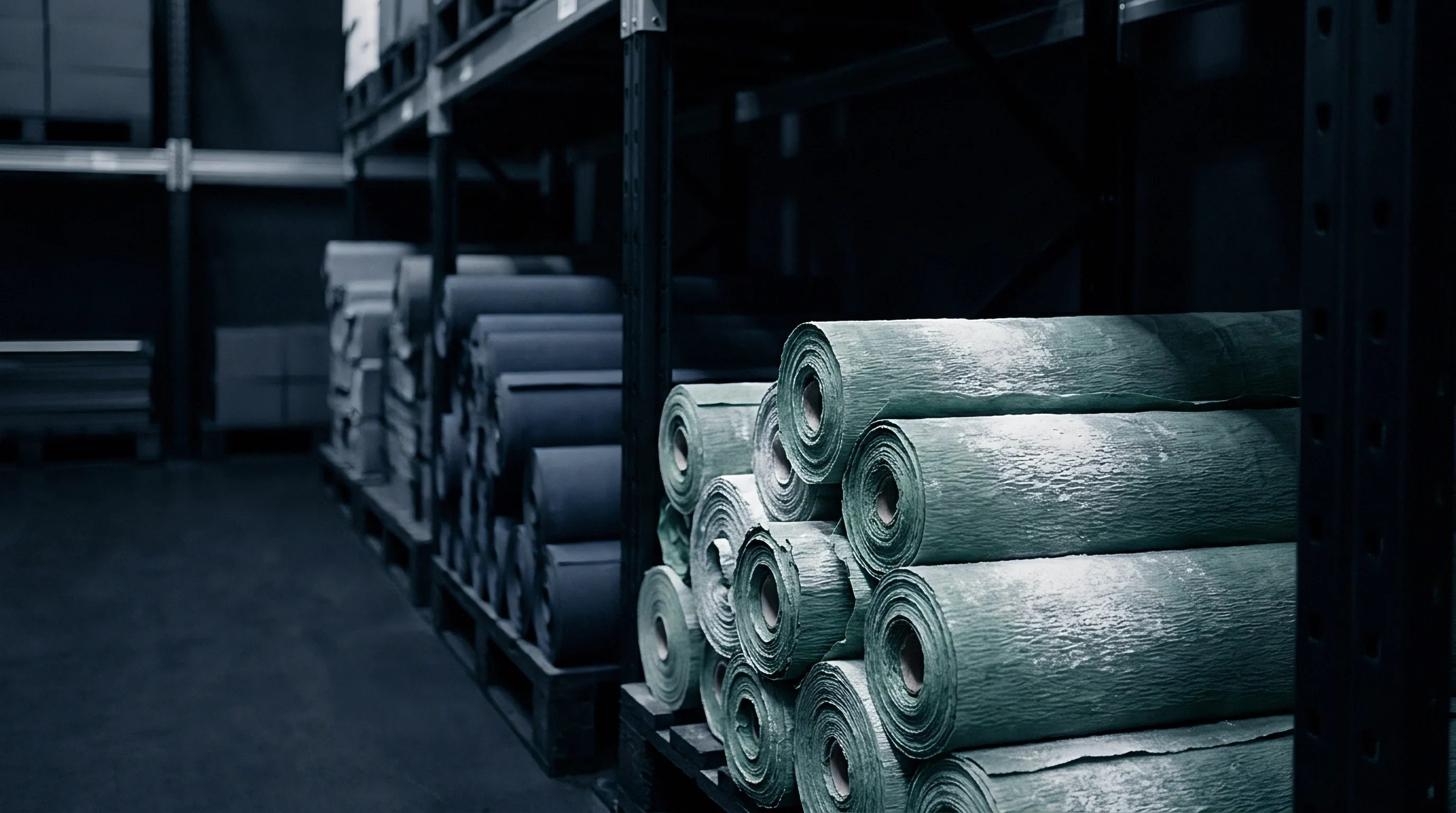

Web
Reel stock carrying an industrial compostability certificate loses its compliance status the moment a converting machine applies coatings, heat-seal layers, lamination adhesives, or solvent-based printing inks. Mill certificates issued under EN 13432 or ASTM D6400 evaluate the base paperboard in its unprinted, unglued state at a fixed caliper. When a converter slits, folds, glues, and prints that board into a finished carton or pouch, the physical geometry and chemical matrix change completely.
The finished packaging article constitutes an entirely separate entity under international standard schemas. Regulators and industrial composting facilities inspect the final composite item rather than the virgin pulp reel from which it emerged.
Converters frequently assume parent reel certificates protect downline packaging formats. A certified kraft base stock coated with an uncertified aqueous dispersion barrier or bonded with a synthetic ethylene vinyl acetate hot-melt adhesive creates an uncertified multi-layer composite. The mill certificate covers only the specific formulation and thickness range tested in the original laboratory assessment.
Packaging specifiers must establish traceability across every added dry-weight constituent to avoid shipping non-compliant packaging into regulated retail markets.
A raw material certificate guarantees the compliance of the parent roll alone.
Converting operations introduce physical and chemical interventions that alter biodegradation kinetics. Ultrasonic welding, flame sealing, and high-pressure creasing consolidate polymer chains and cellulose fibres, increasing local bulk density. This densification impedes moisture uptake and bacterial colonization during the active thermophilic stage of industrial treatment.
A paperboard tested as a flat sheet at 300 micrometres degrades at a predictable rate. That same board folded into a three-ply rim or glued with a four-layer corner lap presents a solid cross-section exceeding 1,200 micrometres. The local mass fails to disintegrate within the standardized operational timeframe.

Substrate Certification Gaps across Converting Operations
Downline mechanical processing demands its own validation trail. Slitting operations introduce edge fraying, while die-cutting creates compacted burnished edges that slow moisture penetration. Aqueous dispersion coatings formulated with styrene-butadiene, acrylic polymers, or polyhydroxyalkanoates (PHA) form cross-linked surface films.
Even when these polymers biodegrade as isolated thin films, their adhesion to paper fibres creates a physical barrier that restricts microbial access to the hydrophilic pulp beneath.
Secondary lamination compounds the problem. Dry bond lamination using polyurethane adhesives introduces aromatic isocyanates and synthetic polyols. The combined laminated structure acts as an entirely new material system.
Independent accredited bodies including Din Certco, TÜV Austria, and the Biodegradable Products Institute evaluate finished articles based on the total combination of components. Each distinct formulation, layer configuration, and maximum grammage tier demands independent qualification or explicit inclusion in an existing certification scope schedule.
- Aqueous dispersion barriers applied above dry coating weights of six grams per square metre form hydrophobic continuous skins that delay wetting and hydrolytic enzyme attack during municipal composting.
- Solventless polyurethane adhesives create irreversible thermoset cross-links at lamination interfaces, leaving visual plastic-like flakes during mechanical agitation screens.
- Flexographic ink systems containing copper phthalocyanine pigments exceed statutory trace metal thresholds when printed with heavy solid ink laydowns across exterior panels.
- Pressure sensitive labels applied with synthetic tackifiers resist enzymatic breakdown and generate gummy agglomerates that plug industrial compost screener meshes.
Suppliers routinely dismiss these converting additions by asserting that trace coatings burn off or vanish inside commercial composting piles without compromising the municipal batch.


Caliper
Physical thickness dictates disintegration rates in commercial aerobic facilities. Standard EN 13432 mandates that 90 percent of the initial dry packaging mass pass through a 2-millimetre sieve after 12 weeks of incubation at 58 degrees Celsius. Standard ASTM D6400 enforces an identical pass threshold.
Biodegradation at the molecular level, measured by carbon dioxide evolution against microcrystalline cellulose, depends on chemical polymer structure. Physical disintegration depends almost entirely on surface area, bulk density, and wall thickness. A material certified for full molecular biodegradation can easily fail the physical disintegration stage if the thickness exceeds certified envelope limits.
Accredited certification bodies set a maximum certified thickness on certificate master files. If a mill qualifies unbleached solid bleached sulphate (SBS) board at 400 micrometres, that thickness marks the absolute upper operational limit for all downstream conversions. A converter cannot fabricate a rigid food service box with structural gussets from this material and claim blanket compliance.
Fold lines, glued pinch bottoms, and rolled cup rims quadruple the effective physical cross-section.

Which Wall Thickness Governs Disintegration Compliance?
Testing laboratories evaluate samples at the thickest point of finished construction. A heat-sealed pouch features fin seals where two coated substrate faces join. The resulting weld contains double the base board thickness and double the barrier resin layer.
Quad-seal designs produce junctions where four layers converge into an eight-ply seam. Moisture and thermophilic bacteria cannot penetrate these compact resinous cores within standard commercial turnaround windows.
A twelve-week pilot disintegration screen under ISO 16929 fails if unrecovered fragments larger than two millimetres exceed ten percent of initial dry weight.
The seam creates a barrier. Testing protocols require finished units, complete with seams, closures, and structural folds, to undergo pilot-scale composting tests under ISO 16929 or laboratory-scale disintegration under ISO 20200. Thin-gauge folding cartons degrade without incident.
Heavy structural trays, rigid boxes, and double-wall hot beverage cups frequently shed recalcitrant fragments during the final mechanical screening.
| Packaging Format | Base Material | Nominal Caliper (μm) | Critical Joint Caliper (μm) | Disintegration Window | Sieve Pass Yield (>2 mm) |
|---|---|---|---|---|---|
| Single-wall hot cup | Paperboard + PLA | 280 | 1,120 (Rolled rim) | 84 days | 96.2 percent |
| Double-wall hot cup | Paperboard + PBAT | 540 | 2,160 (Base seam) | 84 days | 87.4 percent |
| Gusseted pouch | Kraft paper + PBS | 120 | 480 (Fin seal) | 84 days | 98.1 percent |
| Folded produce tray | Corrugated E-flute | 1,500 | 3,000 (Folded corner) | 84 days | 81.6 percent |
| Windowed sandwich carton | Paperboard + Cellulose | 350 | 700 (Window glue seam) | 84 days | 94.5 percent |
When packaging engineers ignore joint thickness limits, the resulting products contaminate municipal green waste streams. Industrial composting operators reject truckloads of incoming municipal organics containing visible, unfragmented packaging pieces. The entire shipment gets diverted to landfill at the packer’s expense.

Execution Steps for Converted Geometry Verification
- Locate the maximum certified caliper line within the original parent substrate conformity mark certificate.
- Measure the cross-sectional thickness across all seam joins, rolled rims, structural ridges, and heat-seal overlaps on production samples using a calibrated digital micrometer.
- Compare the thickest physical measurement against the certified maximum ceiling noted in the scheme registration dossier.
- Initiate pilot disintegration screens under ISO 16929 if any converted structural point exceeds the registered base thickness value by more than five percent.
- Submit fully converted, filled-geometry samples to an accredited testing facility whenever lamination adhesives or sealing waxes sit between multi-ply constructions.
The testing window runs twelve weeks. Failure to account for joint mass results in immediate revocation of compostability marks and costly shelf withdrawals across commercial retail partners.

Ink
Formulations applied during surface decorating and functional coating introduce chemical limitations that invalidate organic recovery claims. Standard EN 13432 establishes precise boundaries for non-biodegradable and minor organic constituents. An individual organic additive present at less than 1.0 percent of the finished dry packaging weight does not require individual aerobic biodegradation testing.
The sum total of these unproven minor components cannot exceed 5.0 percent of the total dry weight. Every constituent must maintain full biocompatibility and adhere to heavy metal and fluorine concentration caps regardless of its percentage inclusion.
Printers frequently misuse this 1.0 percent exemption. They assume that if each individual ink pigment, binding resin, wax additive, and defoamer accounts for less than 1.0 percent of total packaging weight, the entire chemical formulation passes without testing. This assumption collapses when total ink and varnish coverage accumulates across small, lightweight packaging formats.
On lightweight confectionery wrappers, tea tags, or narrow sachets, surface print and overprint varnishes often contribute 6 to 12 percent of total dry product weight. At this level, the formulation breaches the 5.0 percent aggregate ceiling, demanding full 180-day carbon mineralization testing under ISO 14855.
Annex A.1 of EN 13432 fixes total fluorine content below 100 milligrams per kilogram dry substance to eliminate persistent halogenated chemistry from finished packaging.
Fluorinated chemicals represent an absolute barrier to certification. Per- and polyfluoroalkyl substances (PFAS) traditionally applied to greaseproof papers impart oil and water holdout. Revised certification guidelines from Din Certco and BPI ban all intentionally added fluorinated compounds.
Total fluorine content must measure below 100 parts per million dry weight, determined through oxygen combustion ion chromatography under EN 14582. Traces from process water, recycled fibre, or equipment lubricants can cause batches to exceed this strict limit.
| Element or Parameter | Maximum Concentration (mg/kg dry mass) | Test Method Reference | Primary Contamination Source |
|---|---|---|---|
| Zinc (Zn) | 150.0 | EN ISO 17294-2 | Curing agents, white pigments |
| Copper (Cu) | 50.0 | EN ISO 17294-2 | Blue and green phthalocyanine inks |
| Nickel (Ni) | 25.0 | EN ISO 17294-2 | Co-catalysts, toner additives |
| Lead (Pb) | 50.0 | EN ISO 17294-2 | Recycled pulp furnish, mineral fillers |
| Cadmium (Cd) | 0.5 | EN ISO 17294-2 | Yellow and red inorganic colorants |
| Total Fluorine (F) | 100.0 | EN 14582 | Synthetic grease-resistant barrier coatings |
| Volatile Solids | >50.0 percent | EN 14046 | Inorganic chalk and clay coatings |
Pigment chemistry poses recurring compliance challenges. Green and blue flexographic inks rely on copper phthalocyanine complexes. While copper is chemically bound within the phthalocyanine ring structure, EN 13432 elemental analysis measures total atomic copper via inductively coupled plasma mass spectrometry (ICP-MS) following closed-vessel acid digestion under EN 13657.
The acid digestion breaks the chelate ring, releasing free elemental copper into the analytical solution. A dark blue printed carton often tests at 65 to 80 milligrams of copper per kilogram of packaging. That reading breaches the 50 milligrams per kilogram threshold, triggering an immediate certificate failure.
Ecotoxicity protocols under OECD 208 govern agricultural safety. Composted packaging residue cannot depress seed germination or plant biomass accumulation by more than 10 percent compared to control compost prepared without test materials. Standard testing evaluates summer barley (Hordeum vulgare) and white mustard (Sinapis alba).
Inks containing glycol ethers, biocides, organotin catalysts, or residual acrylic monomers leach into the compost matrix, stunting root elongation in seedling assays.
The lab reports zero growth. Sourcing contracts must stipulate that ink systems hold independent certifications meeting EuPIA Exclusion Policy standards and certification body approvals before release to the converting press.


Ledger
Administrative chain of custody separates verifiable packaging claims from fraudulent marketing marks. Certification registries maintained by Din Certco, TÜV Austria, the Australasian Bioplastics Association, and BPI maintain searchable public databases of approved products. A registration code identifies a specific company, a certified finished format, and the explicit bill of materials recorded in the test laboratory dossier.
Uncertified converters frequently print certification logos on cartons by citing upstream paper mill registration numbers. This practice violates scheme licensing rules, invalidating on-pack logos.
Downline brand owners face supply chain exposure when packaging records lack continuity. An unbroken chain requires every intermediate converter handling uncertified assembly steps to maintain a valid sub-licence or independent certificate. If Converter B purchases certified base board from Mill A, adds uncertified adhesive, and dies-cuts a cup sleeve for Brand C, Brand C cannot place a certified logo on the shelf.
Converter B must secure a sub-licence linking the converted article back to the parent file. This requires submitting the exact ink laydown, barrier coating, and adhesive bills of materials to the certification body for administrative review.

Whose Registration Number Carries the Converted Assembly?
On-pack certification marks require the specific licence number of the entity placing the finished packaging into the market or the licence of the primary converter. If an enforcement body examines a branded box, the printed registration code must lead to a register entry matching the commercial pack on the shelf. Displaying a paper mill registration number on a converted coffee pouch misrepresents the scope of certification.
The mill register covers raw board stock alone. The finished pouch incorporates heat-seal polymers and barrier lacquers absent from the mill dossier.
A certificate registration number identifies only the exact material combination and maximum thickness logged in the certification register entry.
Commercial transactions must document compostability credentials on trade documentation. Purchase orders, delivery notes, and commercial invoices must state the certification body name, standard reference, registration licence code, and certified claim category. Generic invoice lines stating compostable grade provide no legal protection during regulatory investigations.
Sourcing teams must require suppliers to supply formal Certificates of Conformity that explicitly state the converting facility location and product trade code.
| Supply Tier | Required Legal Document | Register Identification | Scope Boundaries |
|---|---|---|---|
| Pulp Mill / Base Producer | Master Certificate | Parent register code | Raw unprinted substrate, thickness range, elemental limits |
| Chemical Formulator | Additive Conformity Letter | Positive list registration | Dry weight addition limits, biodegradability reports |
| Primary Converter | Sub-licence / Finished Certificate | Converter register code | Finished geometry, validated inks, adhesive boundaries |
| Brand Owner / Packer | On-pack mark licence | Brand licence reference | Consumer pack SKU, shelf artwork, end-of-life disposal marks |
Uncertified components break the chain of custody. A single uncertified bonding adhesive invalidates the finished packaging file, voiding the packaging mark under licensing terms.

Tariff
Customs officials and commercial market surveillance bodies enforce strict packaging compliance at international border crossings. Under the European Union Packaging and Packaging Waste Regulation (PPWR), packaging materials labeled as industrially compostable face mandatory restrictions. By 2026, packaging must avoid marketing compostability claims unless the item belongs to specific statutory application categories.
The regulation restricts mandatory compostable packaging to tea and coffee bags, single-serve coffee systems, sticky labels attached to fruit and vegetables, and ultra-lightweight plastic carrier bags. Traditional secondary cartons, folding corrugated shippers, and general multi-packs cannot claim compostability as their primary end-of-life pathway if they enter mechanical paper recycling streams.
Green claims directives impose severe financial liabilities on misleading on-pack assertions. European Union Directive 2024/825 explicitly prohibits generic environmental claims such as bio-based, biodegradable, or eco-friendly without recognized certification. Port authorities intercept containerized freight carrying unsupported compostable claims.
Importers of record bear sole legal responsibility for cargo declarations. If commercial documentation claims industrial compostability, but import clearance packets lack valid sub-licence registrations matching product SKUs, border inspectors seize the shipment.
A container held at port generates immediate detention and demurrage costs. Customs brokers cannot clear the goods until the importer supplies accredited third-party test reports validating compliance under EN 13432. Importers cannot rectify missing finished-good certificates while goods sit in customs holds.
Generating a full laboratory disintegration and ecotoxicity dossier requires four to six months. By the time tests conclude, accumulated demurrage fees often exceed the commercial value of the underlying packaging shipment.
The margin for error vanishes. National Extended Producer Responsibility (EPR) schemes penalize packaging that misleads consumer waste sorting. Packaging classified as non-recyclable because of disruptive compostable barrier coatings incurs punitive eco-modulation fee surcharges.
Sourcing directors must align technical specifications, converting chemistry, and certificate registrations with market regulations before dispatching commercial freight.
How packaging surveillance authorities will arbitrate border disputes when a finished composite article meets regional laboratory disintegration requirements while remaining excluded from the destination country industrial composting infrastructure remains an open legal dilemma across international trade lanes.