Pilot Determination
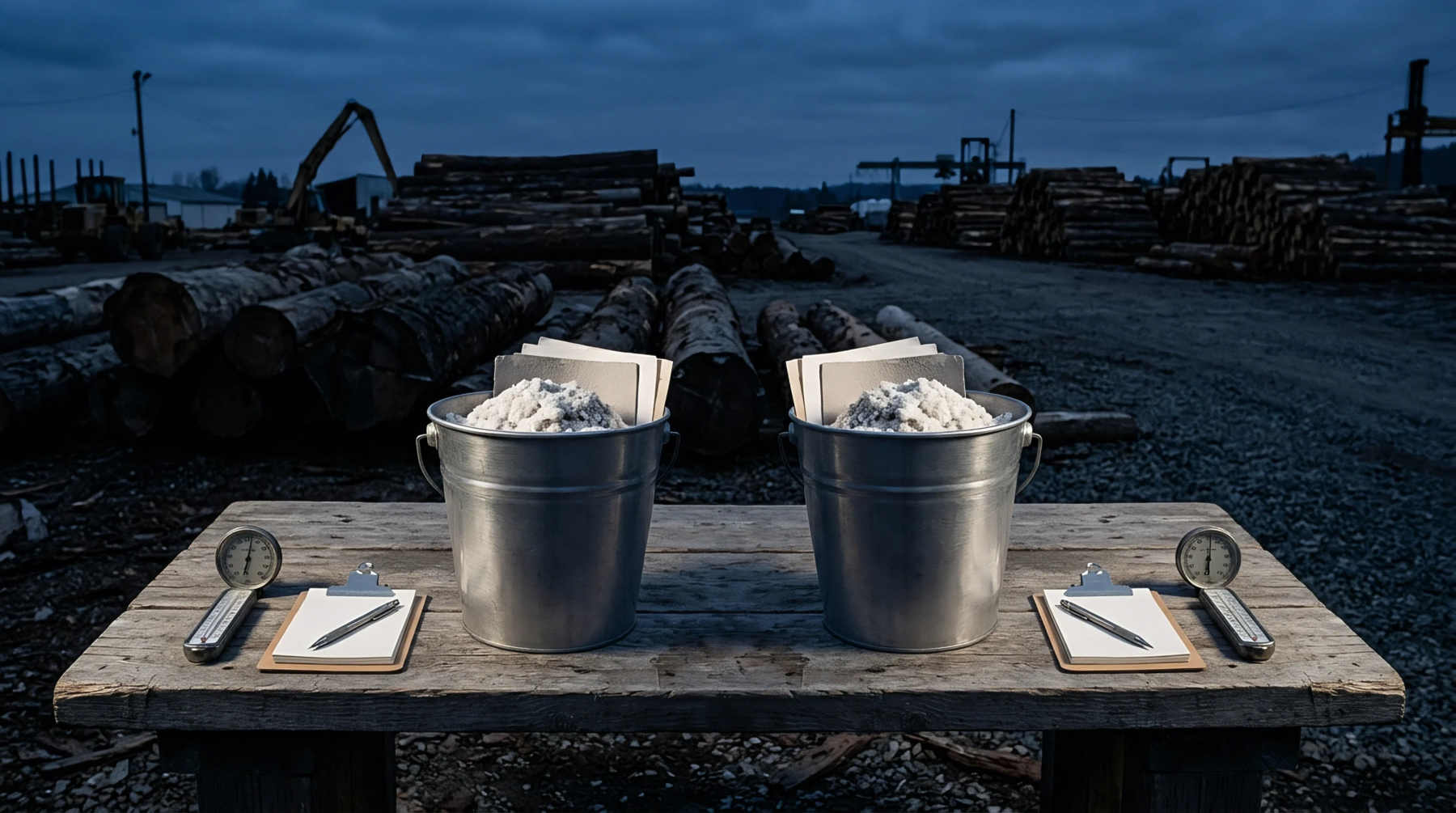
Pilot-scale composting trials evaluate the physical breakdown and structural fragmentation of packaging materials under simulated industrial thermophilic conditions over a fixed twelve-week duration. The test methodology defined in iso 16929 blends test packaging items directly with fresh biowaste inside insulated composting bins holding at least thirty-five litres of active organic mass. Environmental parameters including spontaneous biological heating, moisture ratios, and oxygen concentrations mimic the working environment of commercial composting plants.
Technicians monitor the compost piles to verify that core temperatures exceed fifty degrees Celsius for several consecutive weeks, ensuring realistic microbial degradation.
Sieving Protocol
Structural breakdown verification concludes with quantitative mechanical sieving of the entire bin contents through standardized mesh screens. Procedures governed by iso 16929 empty the mature compost bed after eighty-four days, gently screening all recovered residues through a two-millimetre wire mesh. The mass of unfragmented packaging pieces retained on the sieve must not exceed ten percent of the original sample dry weight introduced into the reactor.
Paperboard packaging structures lined with functional biopolymer barriers undergo rigorous evaluation during this phase. High grammage kraft papers coated with heavy bio-polyester layers often suffer delayed fragmentation when the polymer film prevents moisture penetration into the core cellulose fibres.
Ecotoxicological Verification
Physical disintegration represents only one dimension of industrial composting verification. Testing under iso 16929 mandates chemical and biological checks on the final compost product to ensure no phytotoxic damage or soil contamination occurs. Analysts run germination rate and biomass production trials with summer barley and cress seeds grown in the processed test compost compared to blank control compost.
Sourcing teams rely on this testing standard to confirm that converted paper packages, inks, and cold-seal adhesives break down physically without leaving visual contamination or chemical residues in commercial compost streams.