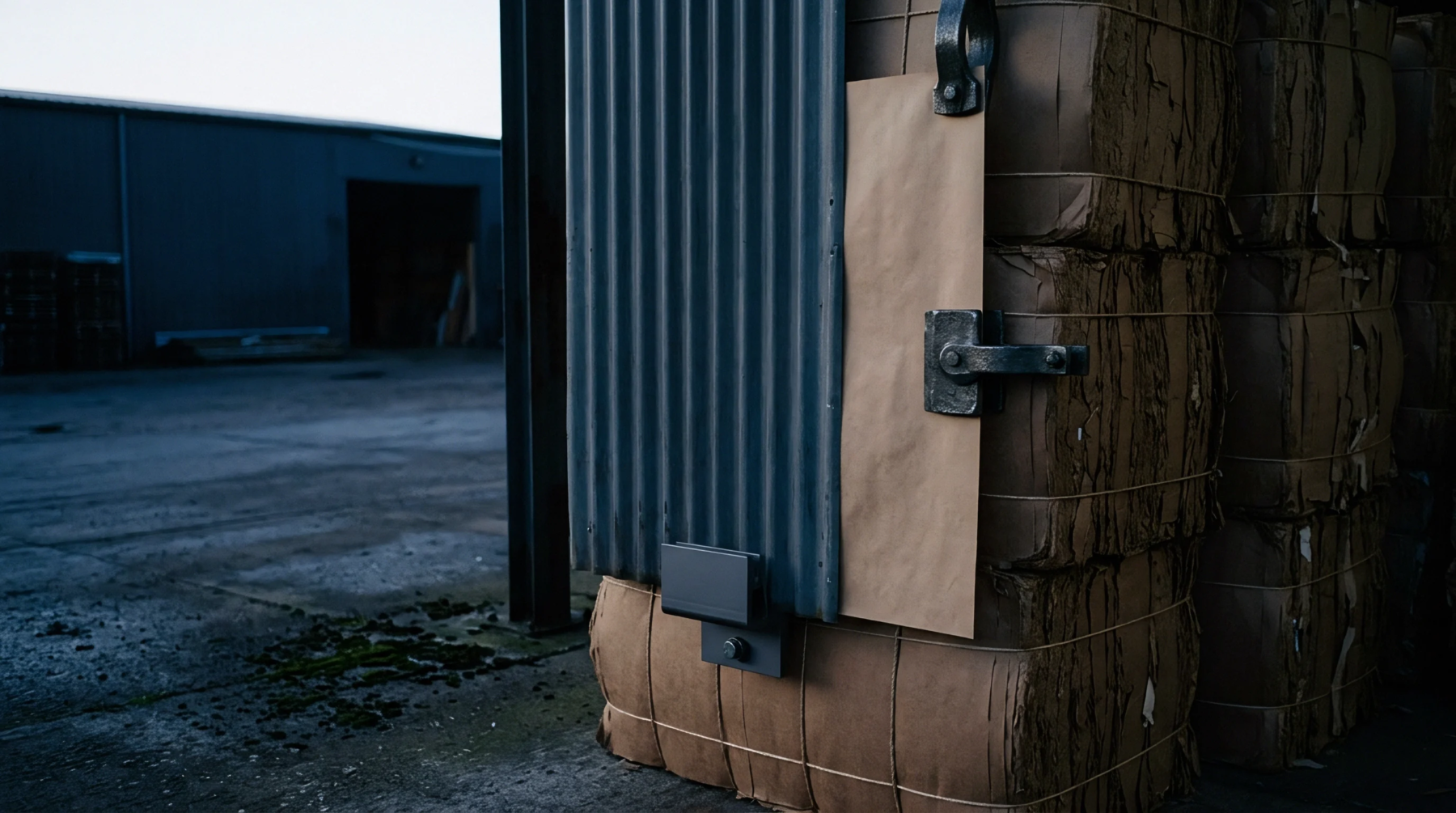
Regulatory Seizure
Border officials exercise legal authority to halt the physical passage of substrate shipments when documentation fails to align with the material findings during inspection protocols. Customs detention establishes a temporary hold on paper rolls or packaging pallets pending the verification of origin, quality standards, or tax compliance. Agents trigger this action through selective scanning or random physical examination to ensure that the imported stock matches the declared chemical composition and mass.
Verification of fibre types remains the primary driver for these stops because incorrect declarations of forest origin or prohibited pulp sources invalidate regional trade agreements. Carriers hold the freight in bonded zones until inspectors clear the shipment for release into the domestic market.
Assessment Protocol
Inspectors verify the integrity of the paperwork against the physical properties of the load to prevent the circulation of noncompliant print stock. Analysts compare the moisture content or the basis weight of the sample against the technical specifications listed in the bill of lading. Discrepancies in the fibre ratio or the presence of restricted bleaching agents lead to immediate escalation of the hold.
Customs detention occurs when the data recorded in the manifest fails to match the laboratory analysis of a paper bale. Documentation discrepancies require a formal submission of corrected certifications from the mill or the converter before the authority grants movement to the final destination. Freight remains stationary during this phase to minimize the risk of unverified materials entering the supply chain and polluting existing stockpiles.
Logistical Consequence
The duration of the hold alters the production schedule for printing houses that rely on a JIT delivery system for their substrate needs. Delays accumulate warehouse costs as the space occupancy fees rise for the duration of the state intervention. Owners of the cargo must provide additional proof regarding the manufacturing process or the bleaching method if the authorities find the initial certification insufficient.
Customs detention acts as a filter that forces transparency upon global paper trade routes by imposing financial penalties on those who fail to account for the specific technical inputs of their imports.