Microplastic and Sticky Colloid Accumulation Dynamics in Closed Mill Process Water Circuits
Closed process water circuits concentrate microplastics and microstickies, creating hydrophobic paperboard defects that ruin lamination and trigger yield losses.
Loop
Enclosed Hydraulics and Solvent Concentration
Mill process water circuit tightening cuts fresh intake from historical levels above fifty cubic meters per metric tonne of paper to volumes below five cubic meters per tonne. This hydraulic restriction retains dissolved and colloidal organic compounds inside the white water system. Recycled fiber pulping operations release synthetic contaminants into the slurry during mechanical disintegration.
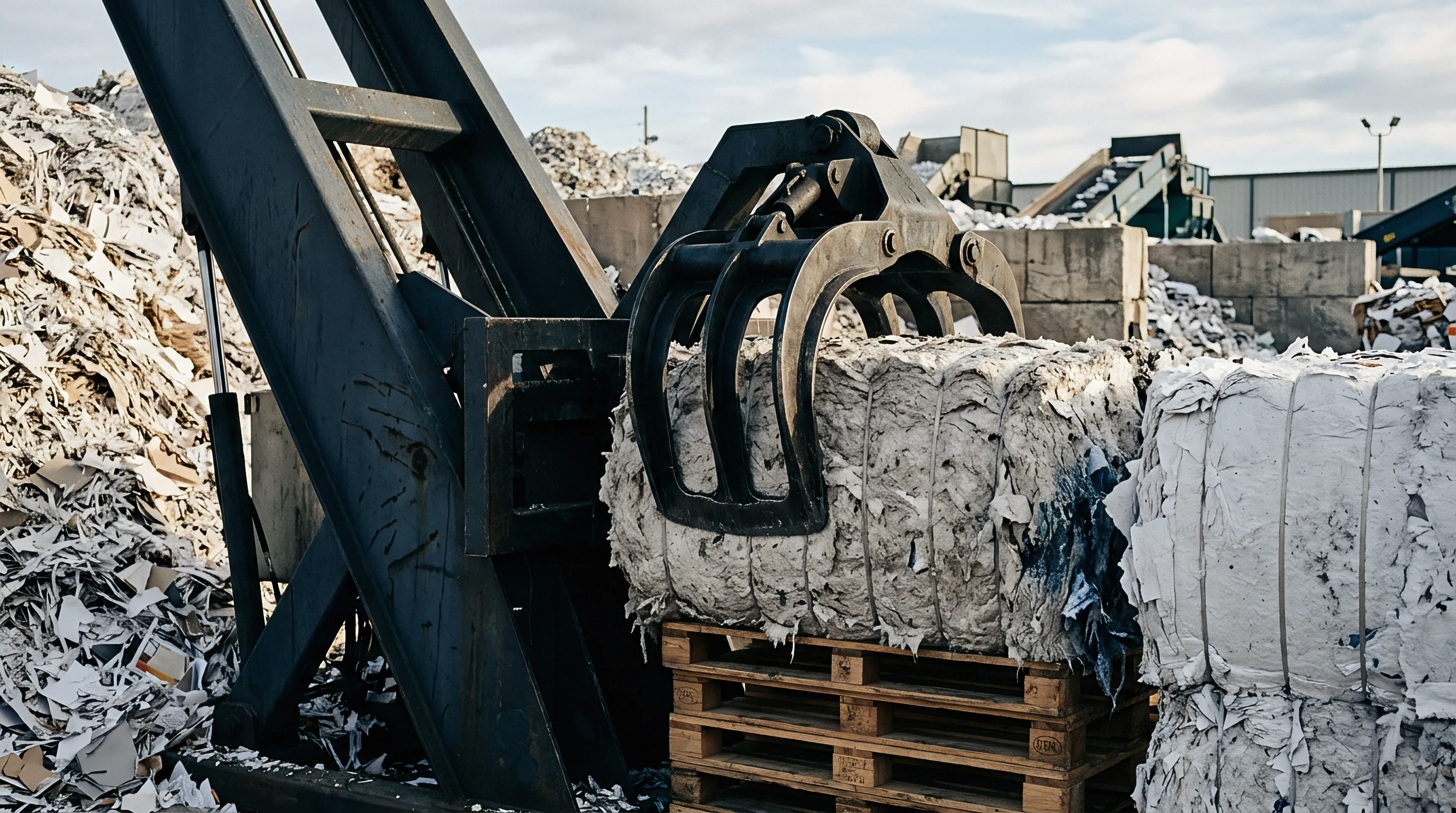
Polyethylene films, acrylic pressure-sensitive adhesives, ethylene-vinyl acetate hot melts, and styrene-butadiene rubber latexes fragment under high-shear pulping at temperatures between forty-five and sixty-five degrees Celsius.
Coarse screening with slot widths of zero point one five millimeters isolates macrostickies larger than one hundred micrometers. Microplastics and colloidal microstickies smaller than one hundred micrometers pass through screening media completely. Recirculated white water returns these uncaptured synthetic particles directly to the pulper and dilution headers.
Concentration gradients build across multiple water passes, transforming trace raw material contamination into severe chemical accumulation.
System temperature elevation past fifty degrees Celsius shifts synthetic adhesive polymers beyond their glass transition threshold, turning rigid microplastic fragments into tacky colloidal droplets.
Polymer Breakdown and Secondary Stickies Generation
Shear forces generated by stock pumps and refiner plates continuously modify particle size distributions. Microplastic fragments undergo mechanical attrition, degrading from visible film flakes into suspended microparticles measuring between one and fifty micrometers. Secondary stickies form when these colloidal microplastics coalesce with pitch, rosin sizes, and dissolved wood extracts.
Anionicity inside the closed circuit increases as chemical additives and binder residues hydrolyze. Carboxymethyl cellulose, starch fragments, and lignosulfonates build an anionic trash layer. This charge layer keeps hydrophobic microplastics suspended through steric and electrostatic repulsion.
The suspended colloidal phase reaches equilibrium only when deposition onto process machinery or incorporation into the paper web removes material at a rate matching fresh raw pulp input.
Equipment vendors often claim that advanced mechanical screening eliminates plastic contamination across recycled fiber streams. Chemical analysis of closed circuit clarifier bottoms reveals that screens remove only the macro-fraction, leaving colloidal microplastics to concentrate continuously in the process water.

Aggregation
Thermodynamic Driving Forces at Fiber Interfaces
Colloidal particles below one hundred micrometers remain suspended in process water while surface charges generate repulsive electrostatic forces. Destabilization begins when ionic strength shifts or polymer surfactants degrade under thermal stress. Hydrophobic interactions drive microplastic fragments toward non-polar surfaces, minimizing free energy within the aqueous medium.
Cellulose fibers possess hydrophilic hydroxyl networks, yet local patches of lignin and extractives present hydrophobic sites where microstickies collect.
Temperature changes inside the short loop alter polymer rheology directly. Adhesive components exhibit viscoelastic shifts at specific operational thresholds. Synthetic polymers softened by thermal exposure adhere to suspended inorganic fillers like calcium carbonate and talc.
These organic-inorganic complexes form dense agglomerates that resist hydraulic wash passes.
Surface Charge Modulation and Electrolyte Drift
Zeta potential measurements inside closed process water circuits track between minus fifteen and minus thirty-five millivolts under stable operating conditions. Divalent cations, particularly calcium ions released from recycled paper coatings, accumulate to levels exceeding one thousand milligrams per liter. High calcium concentrations screen the negative surface charges of colloidal microplastics.
This charge screening reduces the repulsion barrier, allowing short-range van der Waals forces to trigger irreversible agglomeration.
- Charge Neutralization Phase ~ Divalent calcium ions compress the electrical double layer surrounding anionic microstickies, driving zeta potential toward neutral zero millivolts.
- Colloidal Coalescence Phase ~ De-stabilized synthetic droplets collide under turbulent shear inside stock piping, forming hydrophobic agglomerates exceeding twenty micrometers in diameter.
- Hetero-Aggregation Phase ~ Softened polymer agglomerates scavenge inorganic fillers and fine wood fibers, producing sticky pitch complexes that deposit on warm machinery surfaces.
Process water pH shifts alter the solubility of synthetic binders. Acidic excursions convert fatty acid soaps into insoluble free acids, which act as nucleation sites for microplastic deposition. Alkaline conditions expand polymer chains, increasing colloid viscosity and altering flotation removal kinetics within clarification loops.
The exact threshold where calcium concentration forces colloidal microplastics out of suspension without coagulant addition remains difficult to predict across mixed recycled furnish batches.
Measurement

Quantitative Solvent Extraction and Gas Chromatography
Pulp slurry testing relies on particle separation techniques to quantify non-water-soluble synthetic debris. Gravimetric analysis following dichloromethane extraction measures total extractable content, including natural waxes, pitch, and synthetic adhesives. Dichloromethane dissolves polyacrylates, ethylene-vinyl acetate, and rubber compounds while leaving cellulose intact.
The extracted residue undergoes gas chromatography combined with mass spectrometry to distinguish natural wood resins from synthetic microplastics.
Pyrolysis gas chromatography mass spectrometry provides direct characterization of microplastic polymers without extensive solvent preparation. Samples heated to six hundred degrees Celsius degrade into characteristic pyrolyzates. Thermal decomposition of polyethylene yields specific alkene-alkadiene doublet series, while polyacrylates emit monomeric alkyl acrylates.
Quantification requires external calibration standards prepared with known mass concentrations of virgin polymer films.
Standard ISO 15318 defines the extraction protocols for quantifying synthetic adhesive residues in recycled pulp, establishing baseline thresholds for pulp acceptance in high-grade converting applications.

Micro-FTIR Imaging for Synthetic Polymer Identification
Spectroscopic imaging maps microplastic and microsticky distributions on laboratory filter pads. Attenuated total reflection Fourier-transform infrared spectroscopy identifies individual particles down to ten micrometers. Focal plane array detectors capture spatial maps showing polymer distributions across paper web surfaces.
| Method | Target Phase | Detection Limit | Standard Protocol |
|---|---|---|---|
Image processing software counts particle frequency, total surface area, and equivalent circular diameter. Micro-FTIR differentiates ester-based acrylic adhesives from hydrocarbon-based polyethylene films based on carbonyl absorption bands near seventeen hundred thirty reciprocal centimeters. Test results inform the precise dosage of chemical control agents added to the stock chest.
Purchase contracts for recycled pulp fractions specify an absolute upper boundary of ten milligrams of extractable synthetic stickies per kilogram of dry fiber, enforced through mandatory third-party laboratory verification before lot clearance.
Substrate
Deposit Entrapment on Paper Web Surfaces
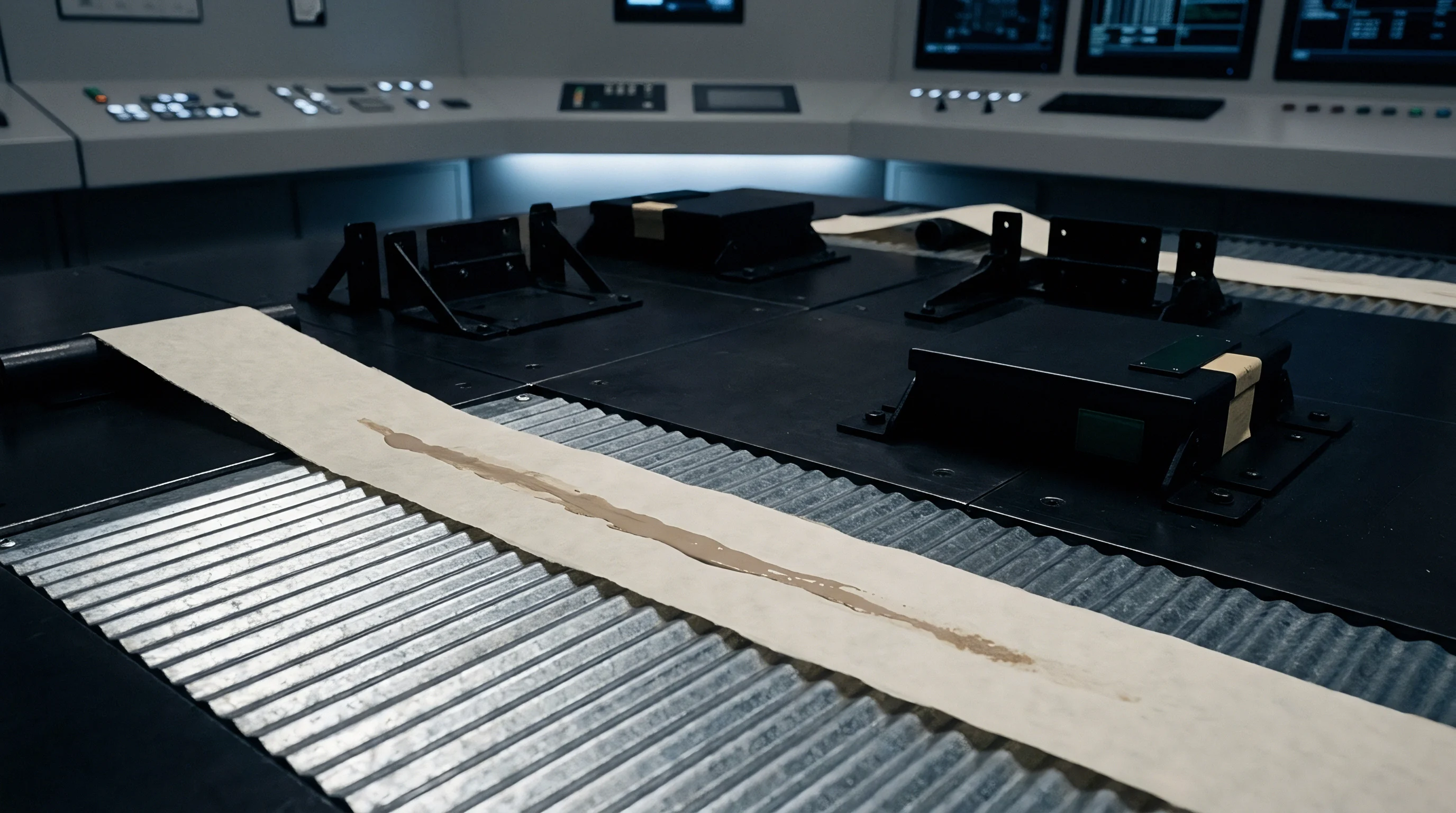
Forming fabrics deposit suspended hydrophobic particles onto continuous fiber sheets during dewatering. As water drains through the forming wire, colloidal microstickies become entrapped within the fiber matrix or migrate toward the sheet surfaces under vacuum filtration pressure. Surface energy measurements on finished paperboard reveal localized hydrophobic spots where microplastics accumulate.
These spots exhibit surface energy values below thirty dynes per centimeter, compared to baseline untreated cellulose surfaces exceeding fifty-four dynes per centimeter.
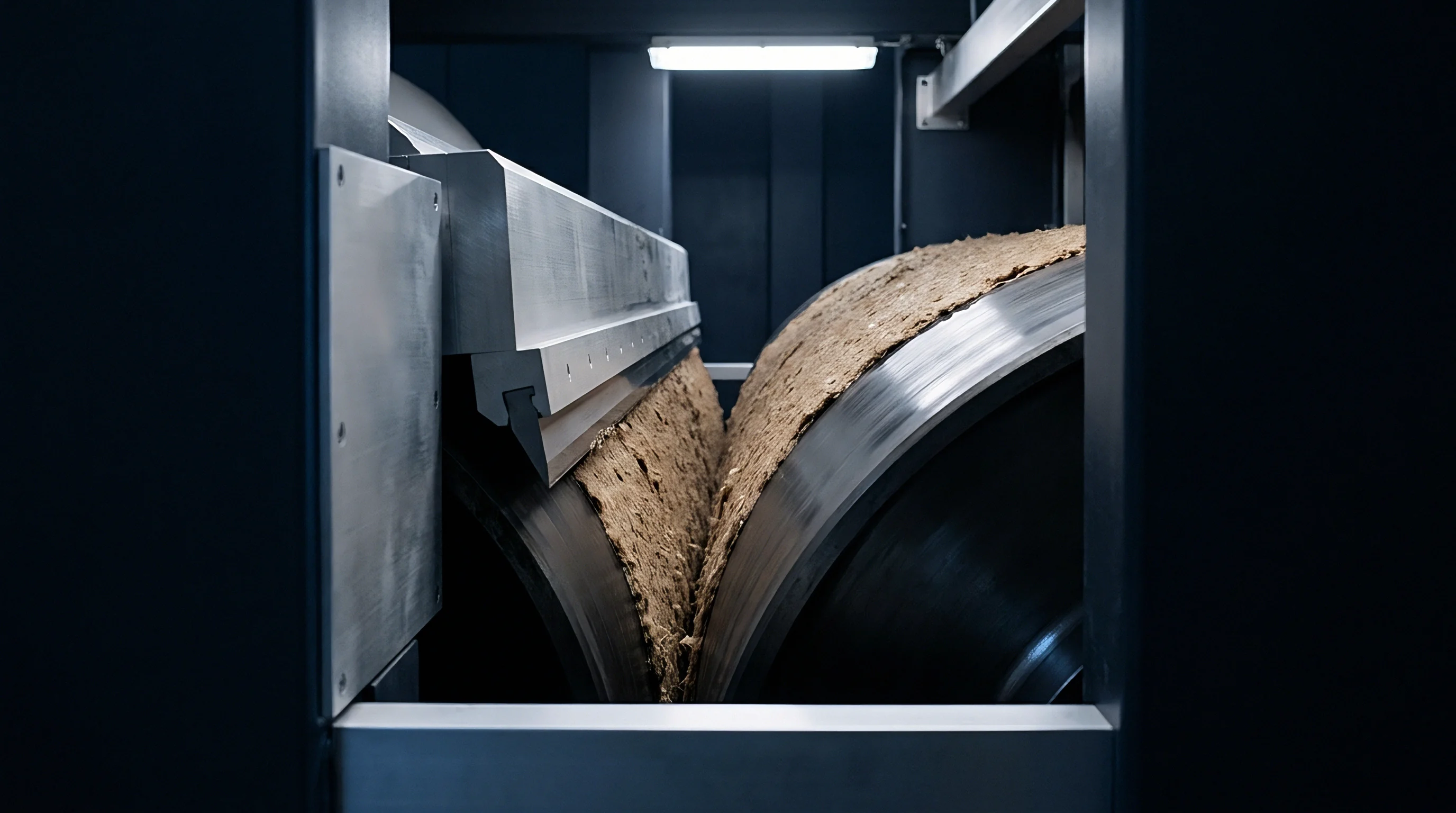
High-speed water removal at the press section squeezes tacky polymer aggregates to the sheet exterior. Press felts absorb a portion of these softened contaminants, causing felt blinding, uneven moisture profiles, and accelerated felt wear. The remaining surface-bound microstickies flatten against the top liner under thermo-mechanical drying cylinders, creating invisible, low-energy inclusions across the paperboard face.
| Defect Type | Physical Mechanism | Converting Impact | Inspection Standard |
|---|---|---|---|
Lamination Surface Energy Defects and Barrier Void Creation
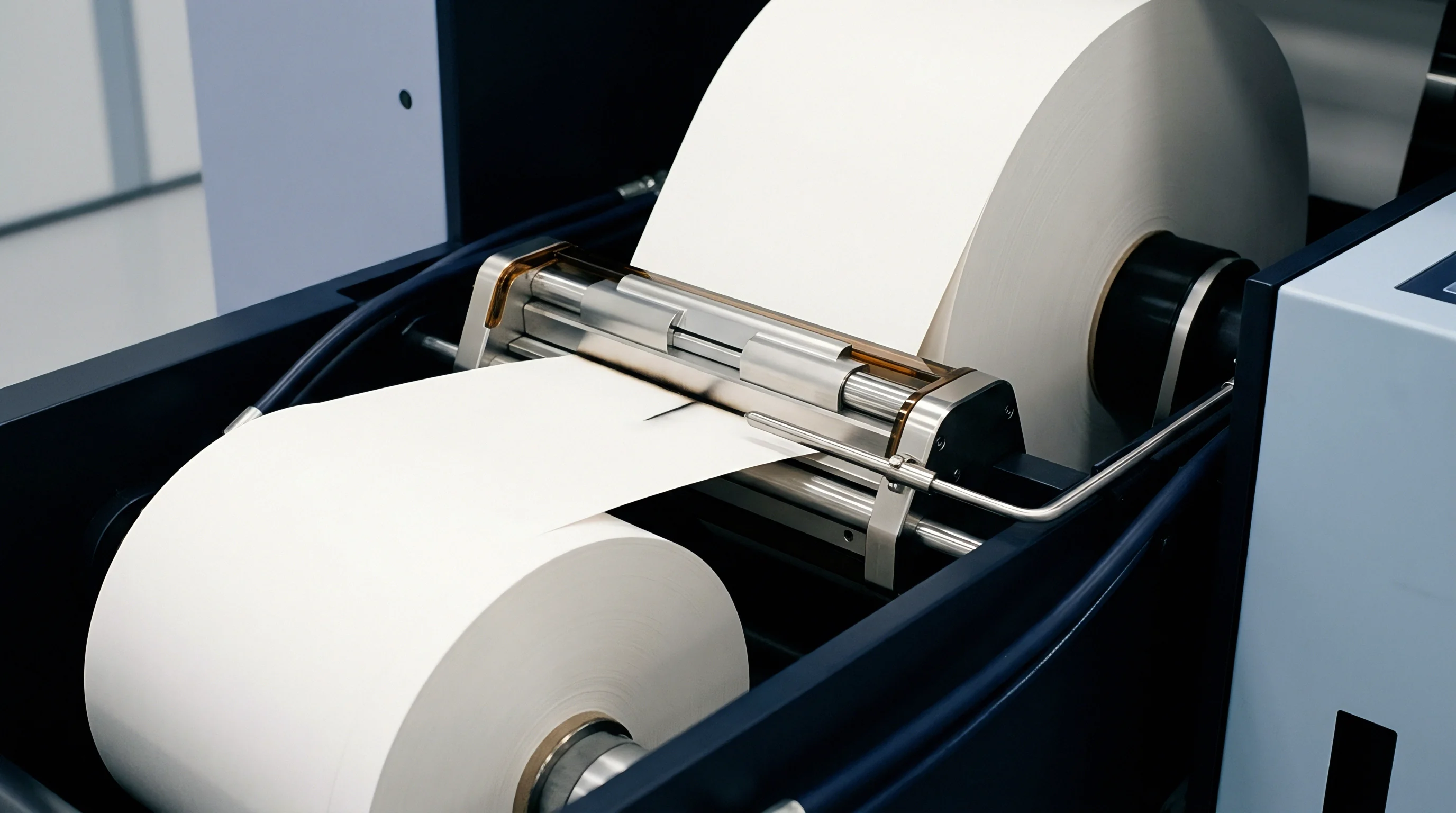
Extrusion coating and film lamination processes demand uniform surface energy across the paperboard substrate. When a polyethylene film nip meets a paperboard surface containing concentrated microsticky spots, molten film fails to establish molecular contact with the low-energy contaminant. Interfacial adhesion drops to zero at the particle boundary.
Subsequent heat seal passes expand air trapped beneath the film, generating visible surface blisters within twenty-four hours of converting.
Spot varnish application suffers parallel failure modes. Water-based and ultraviolet-curable lacquers recede from hydrophobic microplastic inclusions, producing circular voids known in converting operations as fish-eyes. Ink transfer during offset or flexographic printing becomes spotty, leading to incomplete dot formation and variable optical density across solid print blocks.
A score line struck directly over a concentration of brittle microplastics splits open during high-speed carton erecting, causing complete package rejection at the consumer filling line.
Filter
Which Water Clarification Pass Mitigates Microsticky Aggregation?
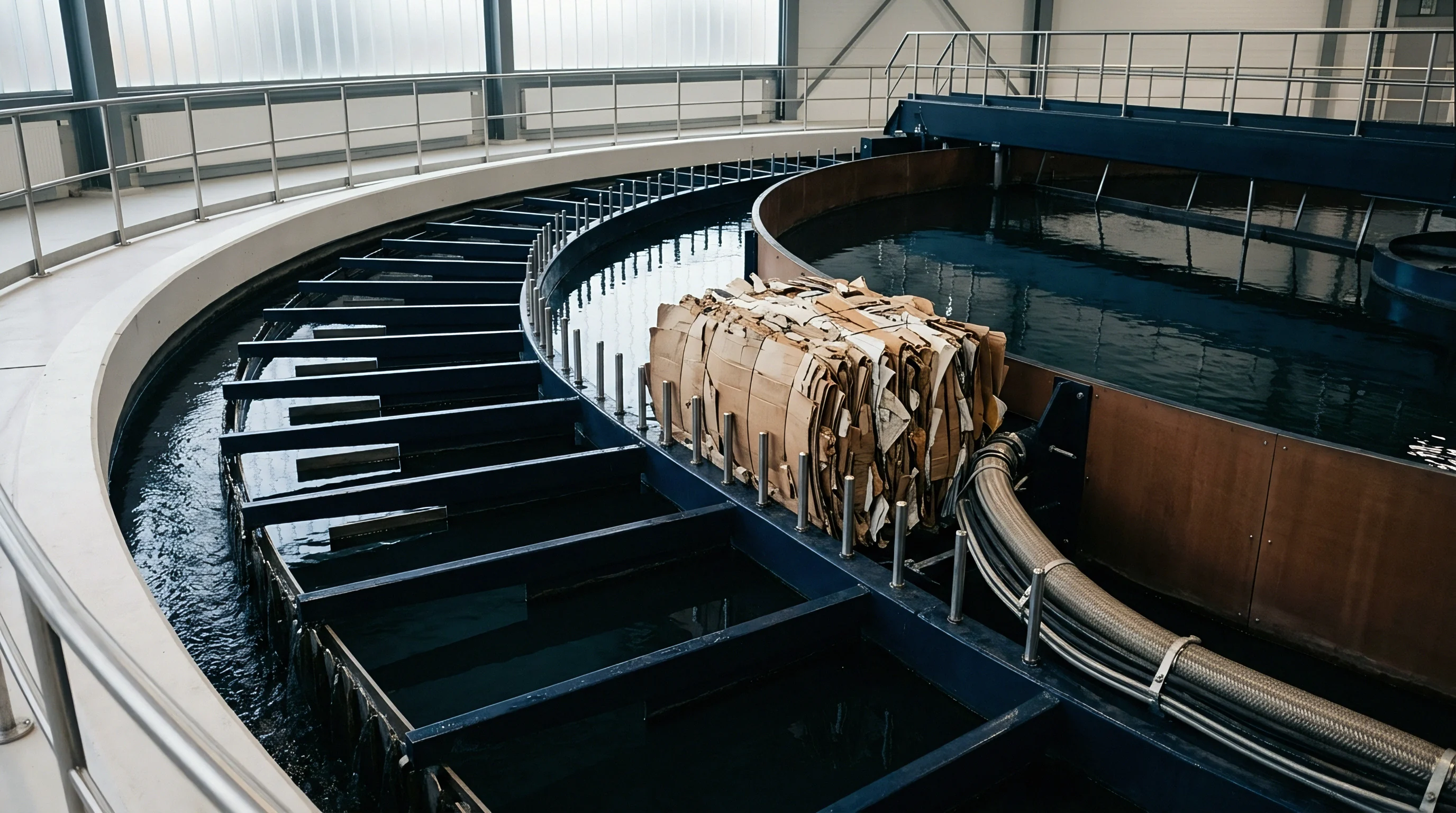
Dissolved air flotation units remove hydrophobic microplastics by attaching micro-bubbles to suspended particles. Flotation efficacy relies on chemical pre-treatment using dual-polymer clarification systems. Cationic coagulants, such as poly-diallyldimethylammonium chloride possessing high charge density, neutralize anionic trash and destabilize colloidal suspensions.
High molecular weight polyacrylamides then bridge the destabilized particles into buoyant flocs.
Enzymatic treatment offers a selective chemical mechanism for microsticky mitigation. Esterase enzymes hydrolyze the ester bonds present in polyvinyl acetate and polyacrylate adhesives. Breaking these long-chain polymers reduces sticky polymer molecular weight, transforming tacky solids into soluble, non-tacky fragments.
Enzyme dosing requires controlled residence time inside dedicated reaction tanks, holding temperature between forty-five and fifty-five degrees Celsius at pH six point five to seven point five.
- Primary clarification pass routes process water through dissolved air flotation to strip coarse suspended microplastics above twenty micrometers.
- Secondary enzymatic conditioning pass injects esterases into the clarified effluent stream with a minimum forty-minute retention period.
- Tertiary membrane separation passes process water through microfiltration units to remove residual sub-micron synthetic colloids.

Mechanical Membrane Separations and Coagulant Dosing
Ultrafiltration and microfiltration membranes present physical barriers capable of removing sub-micron plastic fragments from closed circuits. Polyethersulfone spiral-wound membranes with pore sizes of zero point one micrometers block colloidal microstickies completely. High organic loading causes rapid membrane fouling, demanding frequent chemical cleaning passes with sodium hydroxide and surfactant blends.
- High Charge Density PolyDADMAC ~ Neutralizes anionic charges, reduces colloidal stability, and targets sub-micron adhesive fragments.
- Bentonite Microparticle Systems ~ Absorbs tacky polymer species onto high-surface-area clay platelets to prevent equipment deposition.
- Esterase Enzyme Formulations ~ Cleaves acrylic ester bonds selectively, permanently removing adhesive tack under controlled pH conditions.
- Talc Surface Conditioning Agents ~ Passivates microsticky surfaces through hydrophobic particle adsorption, preventing agglomeration.
Over-dosing cationic coagulants reverses particle surface charge, re-stabilizing colloidal microplastics and accelerating felt blinding downstream.
Penalty
Operational Spoilage and Machine down Time
Accumulation of microplastics and microstickies forces frequent unscheduled machine stops for felt and wire washing. Solvent washing passes using aromatic hydrocarbons clean wire meshes but generate hazardous liquid waste and consume valuable production time. A typical paperboard machine running at eight hundred meters per minute loses up to twelve metric tonnes of saleable production for every hour of downtime caused by sticky deposition cleanup.
Finished product scrap rates increase when surface defects pass quality control undetected. Printed packaging converters reject delivered paperboard rolls containing microplastic spots due to lamination delamination during post-press processing. Sourcing agreements enforce strict financial clawbacks when converting line stoppages trace back to substrate surface contamination.
| Operational Factor | Uncontrolled Open System | Closed Circuit without Enzymes | Closed Circuit with Enzymatic Treatment |
|---|---|---|---|
Recyclability Score Discounts and Surcharges
Extended Producer Responsibility regulations impose financial penalties on packaging substrates containing non-recyclable synthetic inclusions. European standards like EN 13430 grade paperboard packaging based on effective yield during standardized repulping tests. Microplastics that fail to separate during pulping remain embedded within recycled pulp, lowering the final recyclability classification score.
Low recyclability scores trigger modulated EPR surcharges exceeding two hundred Euros per metric tonne of placed packaging material. Brand owners specification sheets increasingly stipulate zero microplastic carryover, shifting financial risk directly to mill procurement desks through explicit penalty clauses within supply contracts.
- ISO 17025 Test Certificate ~ Validates baseline extractable microplastic content below defined threshold limits using verified Pyrolysis GC-MS methods.
- Batch Water Quality Log ~ Documents process water conductivity, zeta potential, and cationic demand metrics recorded during the production run.
- Recyclability Grading Dossier ~ Certifies compliance with European standard repulping protocols and quantifies residual synthetic contaminant mass fractions.
- Lamination Compatibility Guarantee ~ Warrants surface energy uniformity across the delivered paperboard lot to prevent film pass delamination.
Mills managing closed process water circuits balance the operational savings of reduced fresh water intake against the ongoing chemical cost of enzymatic clarification and membrane filtration passes. Failure to manage colloidal microplastic concentrations degrades final paperboard surface quality, increases converting scrap, and exposes paper makers to financial penalties imposed by regulatory schemes and brand owners alike.