Thermal Regulation
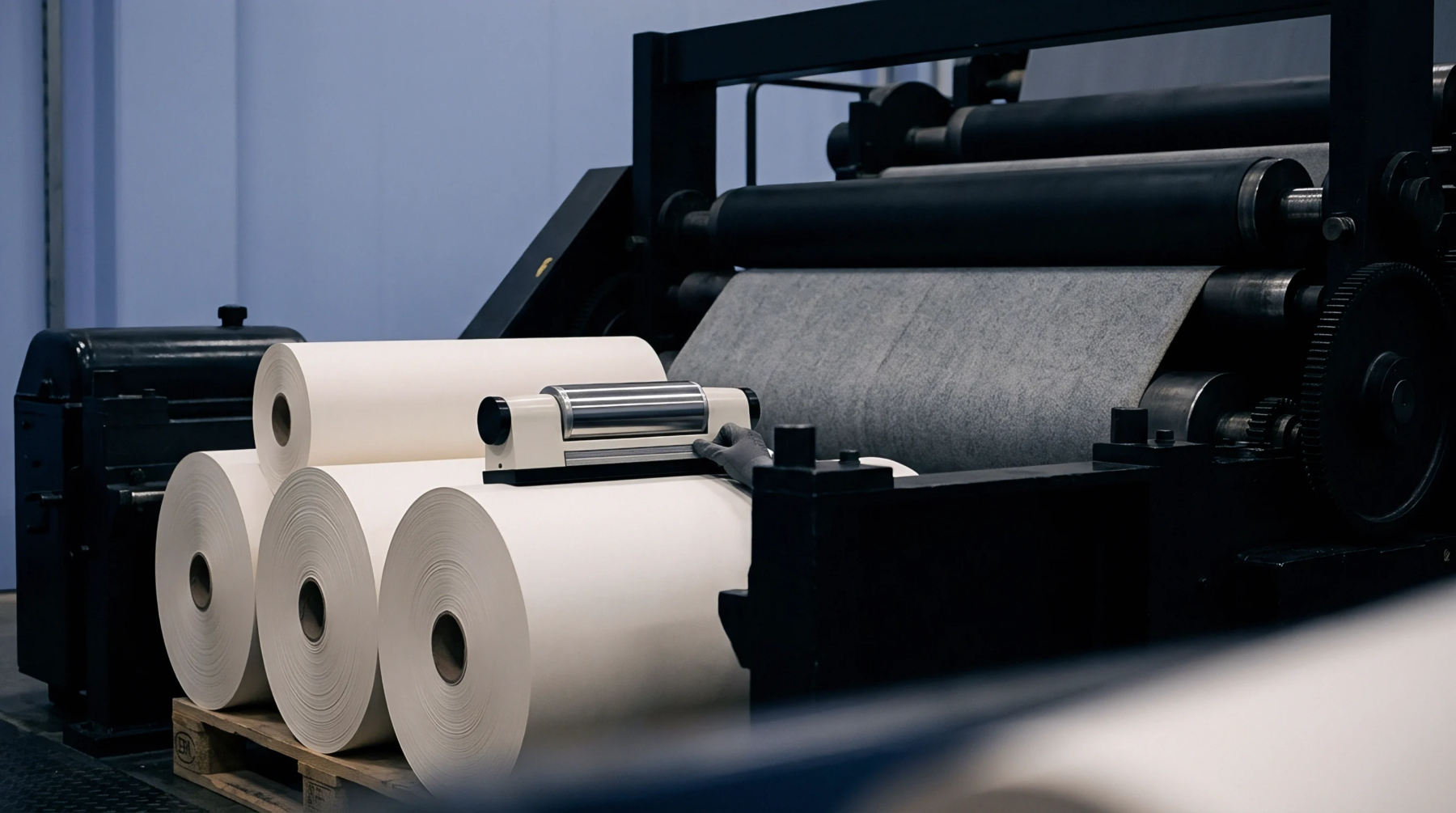
High velocity pneumatic systems provide rapid heat extraction from extruded polymer webs or coated paper substrates during the solidification phase. Integration of air knife cooling allows a production line to manage the transition of molten resins into stable films by directing a laminar flow of chilled air across the entire width of the material. This method prevents the formation of surface defects that occur when contact based cooling rolls are used on tacky surfaces.
Operational Velocity
Precise control of the air volume and pressure determines the rate of heat transfer and the resulting crystallinity of the polymer. When air knife cooling operates at optimal parameters, it stabilizes the web without causing physical vibration or marking. The distance between the nozzle and the substrate remains a major variable in achieving uniform thermal reduction.
Mechanical adjustments to the slot gap allow for the fine tuning of the air velocity to match specific line speeds and material thicknesses.
Structural Integrity
Fast cooling rates achieved through this pneumatic approach help maintain the clarity and barrier properties of thin gauge films. Because air knife cooling avoids the mechanical pressure of nip rollers, it is particularly effective for high clarity laminations where optical quality is a primary requirement. The technology ensures that the film reaches a handleable temperature before it contacts downstream rollers or winding equipment.
Effective heat removal prevents the blocking of finished rolls by ensuring the surface temperature is below the softening point of the resin. This solidification process limits the growth of large crystals in semi crystalline polymers, resulting in a tougher and more flexible end product that resists cracking during subsequent folding or converting operations.