
Surface Activation Dynamics in Treated Polyolefin Films
Inline corona discharge stabilizes polyolefin wetting immediately ahead of coating passes, mitigating inventory decay caused by additive migration.
Inline corona discharge stabilizes polyolefin wetting immediately ahead of coating passes, mitigating inventory decay caused by additive migration.
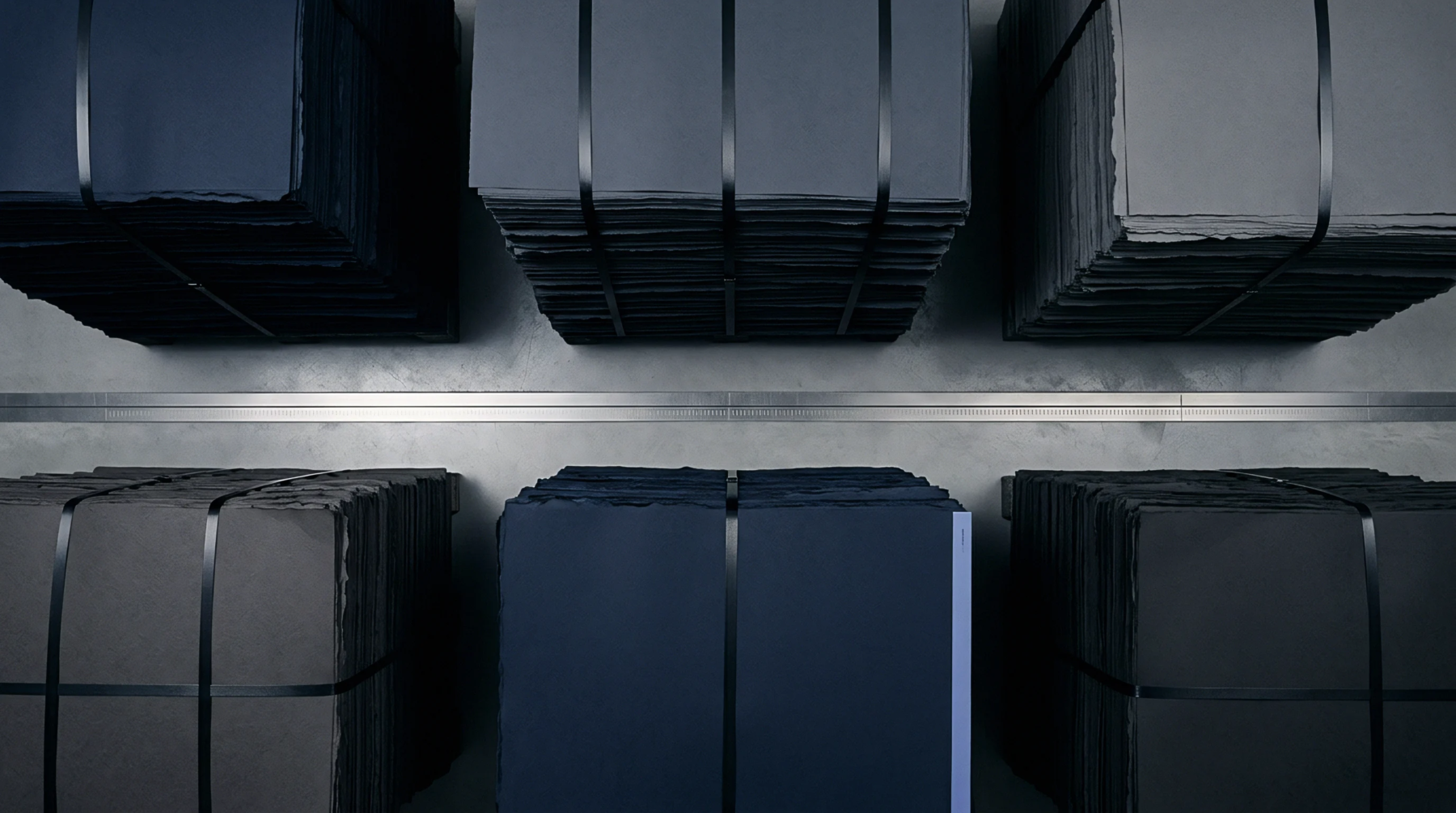
Corona decay on BOPP stems from hydrophobic chain turnover and slip additive blooming, requiring forty dynes or in-line re-treatment to prevent bond failure.

Polyolefin surface treatment decays via polar group reorientation and slip agent bloom, requiring controlled additive specifications and inline bump corona.

Foil adhesion succeeds when polymer film surface energy exceeds forty-two dynes per centimeter and sizing chemistry matches the polar surface component.
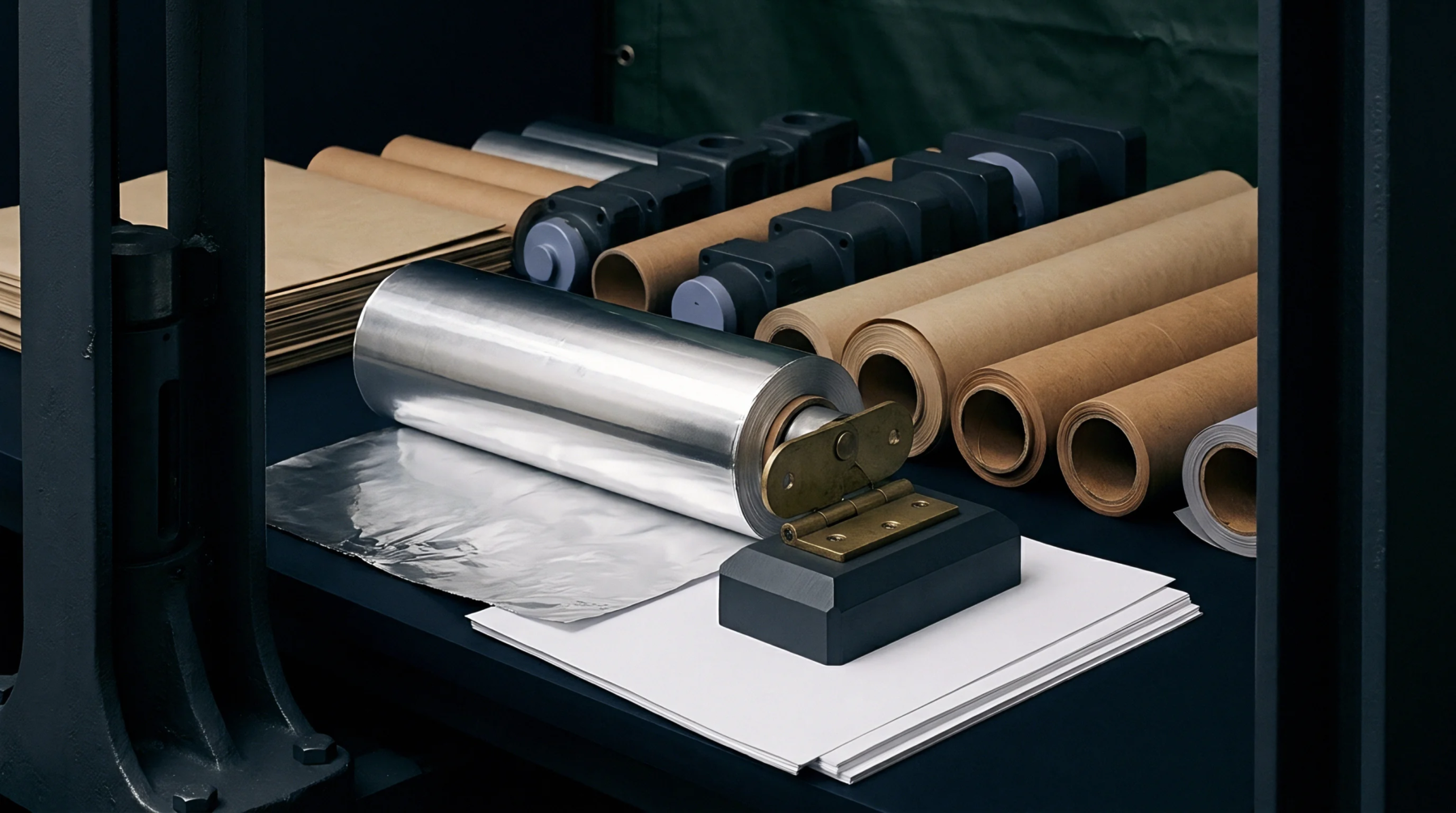
Interfacial peel strength verification in metallized foils mandates ninety-degree fixture isolation to prevent substrate yield and accurately measure metal-polymer bond mechanics.
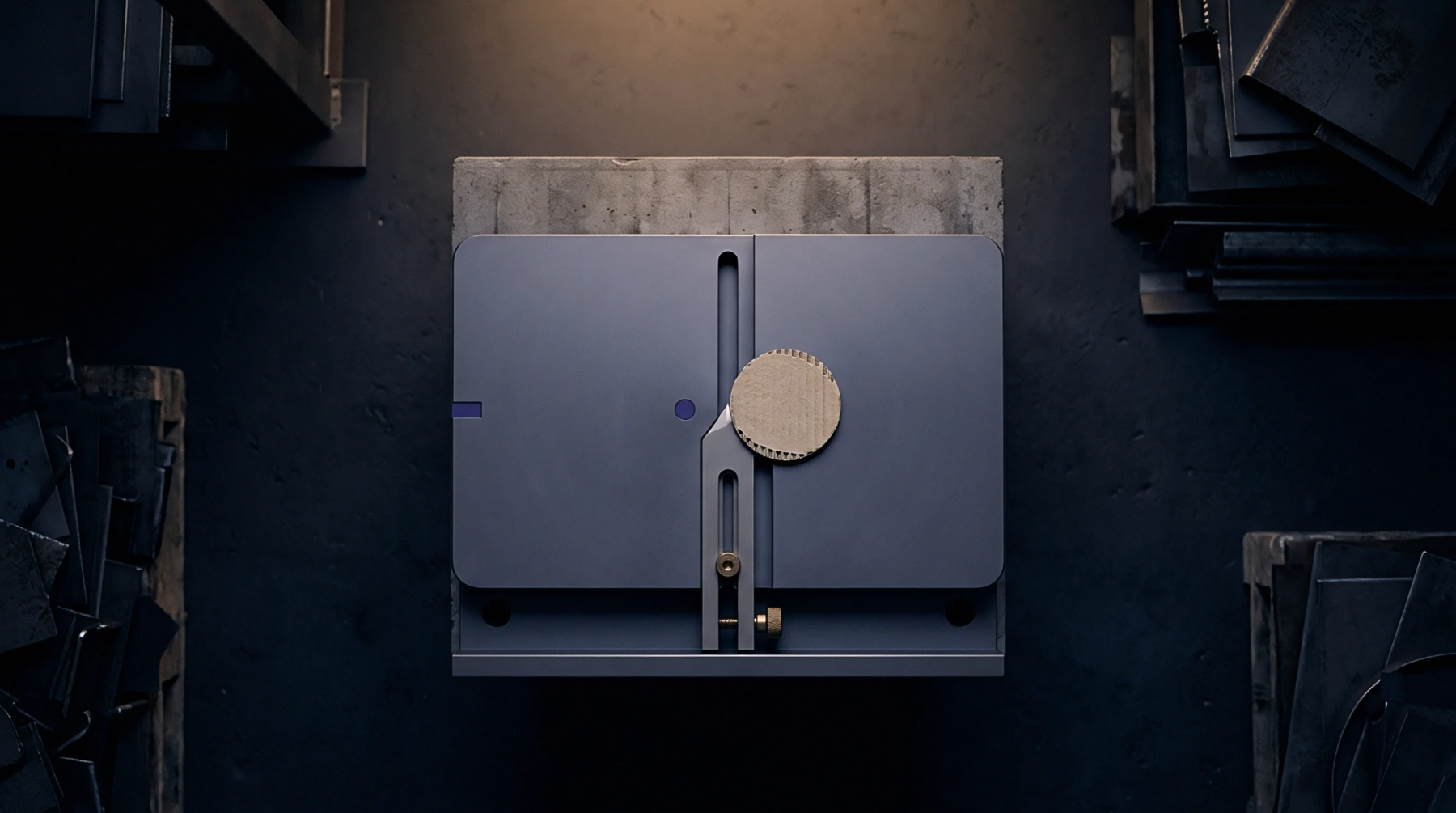
Polyolefin surface energy audits require OWRK polar component tracking and dyne fluid validation to prevent lamination delamination and slip agent masking.
Expertise is a utility, not a secret. sentiention™ publishes its working knowledge as open reference: intelligence layer covering the materials it sources, the markets it enters, and the reference that serves both.