Fractionation Standard
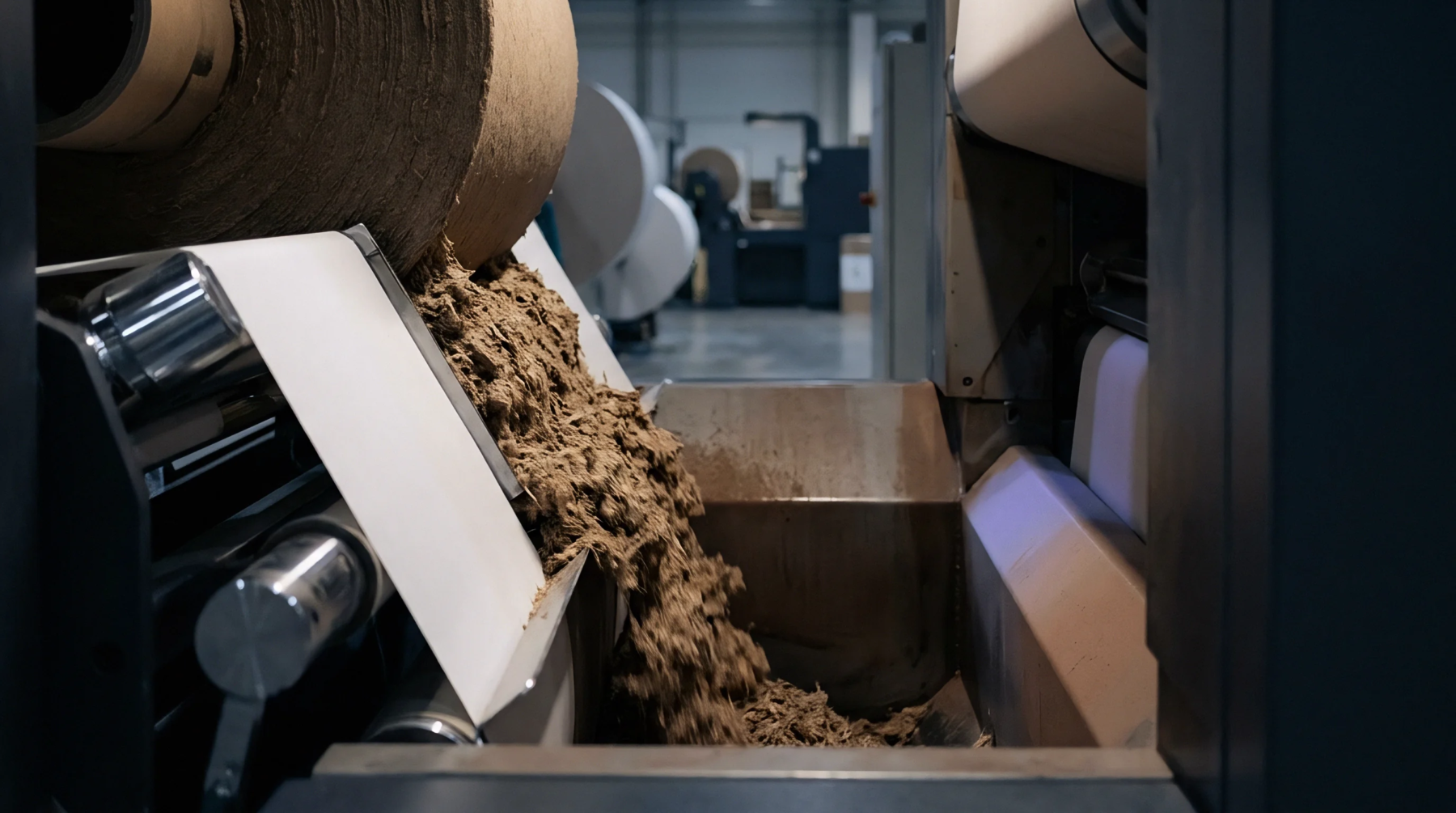
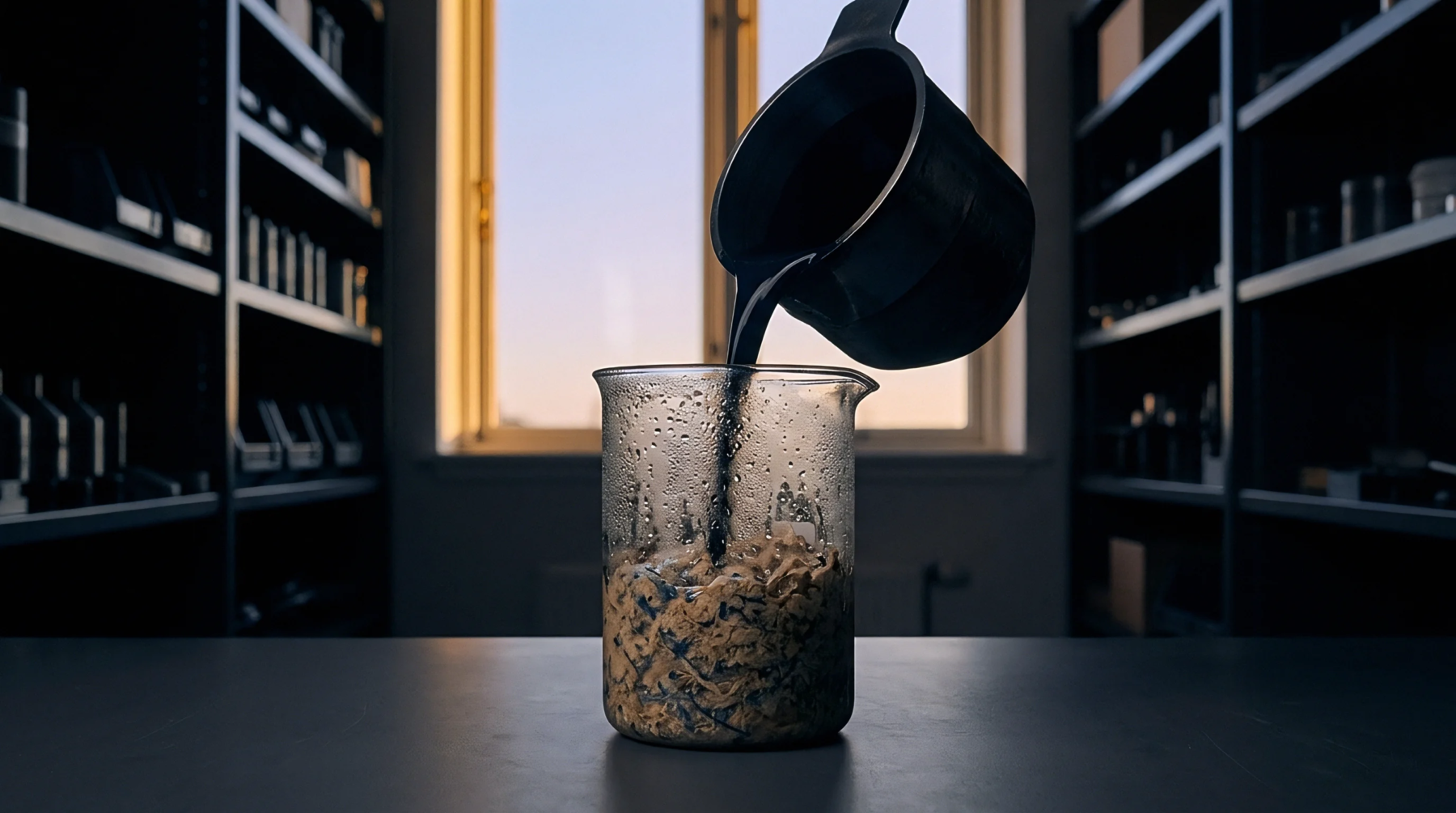
Wet classification equipment categorizes pulp fibers by length using a series of cascaded mesh screens under continuous water flow. Standardized testing protocols employ a bauer-mcnett classifier to divide a pulp suspension into discrete length fractions across wire screens ranging from 14 mesh to 200 mesh. Fiber retention on each screen determines the length distribution of mechanical or chemical pulps, separating long structural fibers from fine debris that pass through the final screen.
The physical separation relies strictly on geometric dimensions rather than settling velocity or hydrodynamic drag.
Screen Distribution
Dynamic water agitated tanks pass dilute pulp slurry sequentially through progressively finer wire meshes. Agitation impellers suspend the fibers while liquid movement aligns individual strands along screen surfaces, allowing shorter fragments to wash into subsequent chambers. Operational parameters require exact water flow rates and precise slurry consistency to prevent mat formation on early screens.
Excessive slurry concentration causes matting, which traps short fibers artificially and skews the length distribution toward higher mesh numbers. Liquid flow rates govern the residence time in each compartment, ensuring that fibers smaller than the target mesh opening transition completely into downstream tanks. The resulting dry weight of pulp collected from each wire compartment provides empirical values for fiber length distributions used in papermaking furnish formulations.
Mass Retention
Quantitative mass balance calculations convert captured oven dry weights into percentage fractions of the initial sample charge. Mathematical summation of all retained fractions alongside fine residue accounts for total pulp yield. Variations in fiber length profiles affect sheet formation, tear strength and tensile properties of converted packaging grades.