Operational Source
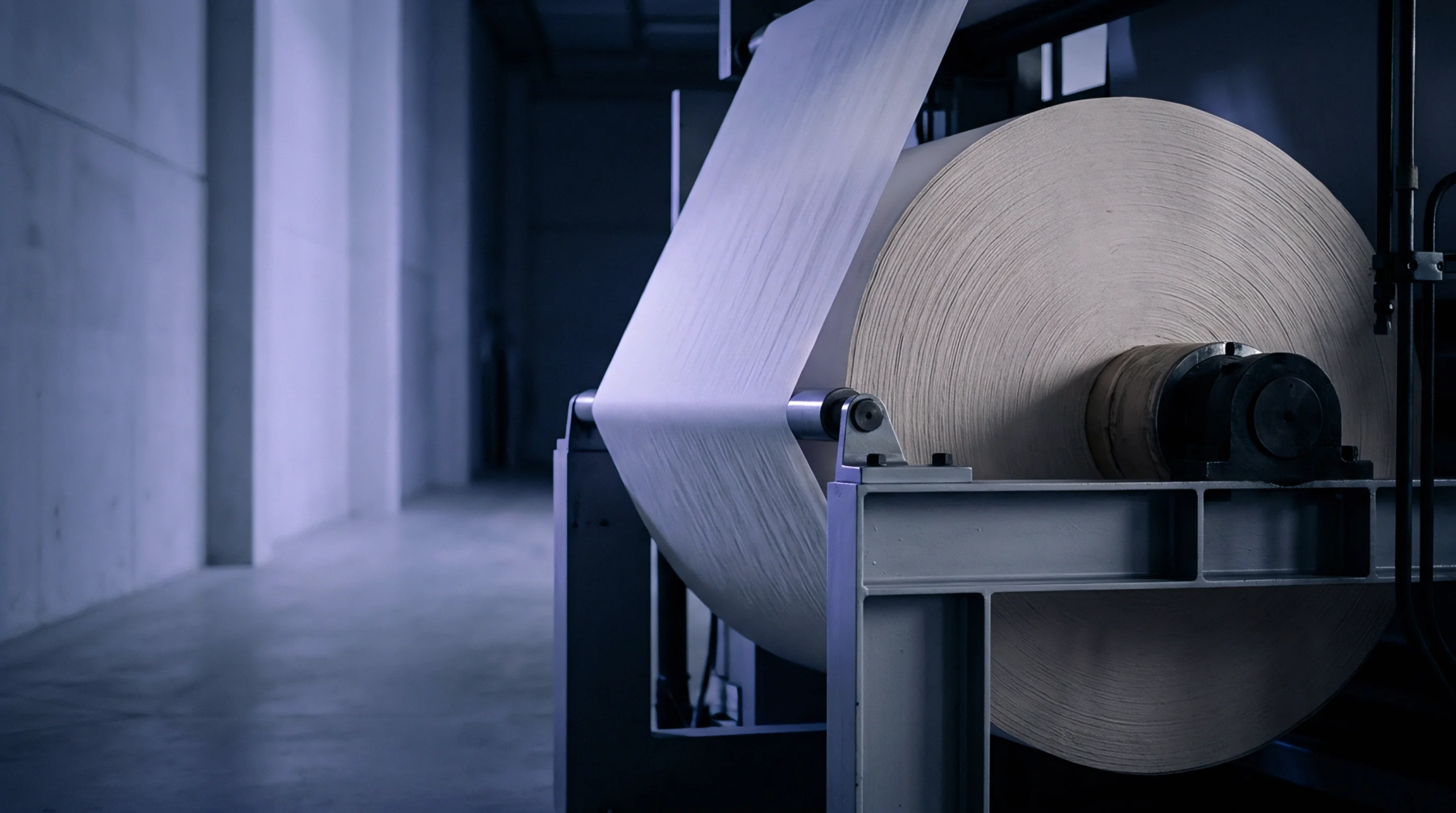
Manufacturing waste created during paper machine startups, roll changes, and trimming operations represents a major source of fiber reclaim in modern mills. While some broke generation occurs during normal reel slitting, most occurs during grade transitions or sheet breaks on the paper machine. This material is collected in pits beneath the machine and fed directly back into the stock preparation system.
Mechanical failures and moist-end breaks contribute to higher volumes of this process waste. In converting plants, die-cutting and folding also produce dry waste sheets that require baling for repulping.
Economic Outcome
Financial efficiency in paper and board production depends on keeping the volume of this recycled fiber within strict limits. Excessive waste generation increases the energy consumed in repulping and drying, raising the overall production cost per ton. The process can also introduce chemical imbalances if coated or highly sized papers are recycled back into the wet end.
Mills track the percentage of this material to measure overall machine efficiency.
Recovery Protocol
Wet and dry waste streams must be managed separately to prevent stock contamination. Wet broke is pumped directly to a storage chest, whereas dry broke requires mechanical agitation and water addition in a hydrapulper. Refining of this reclaimed stock is kept to a minimum to avoid shortening the wood fibers.
Highly refined fiber loses bonding potential.