Surface Uniformity
Coated woodfree paper is a printing substrate manufactured from chemical pulp that undergoes intensive mechanical refining before mineral pigment layers seal the printing surface. Bleached sulphate processes eliminate all mechanical wood fragments from the slurry, leaving pure cellulose fibres that resist yellowing under ultraviolet exposure. Modern blade coaters apply an aqueous suspension containing calcium carbonate and kaolin clay onto both sides of the dry web, smoothing microscopic voids between individual fibres.
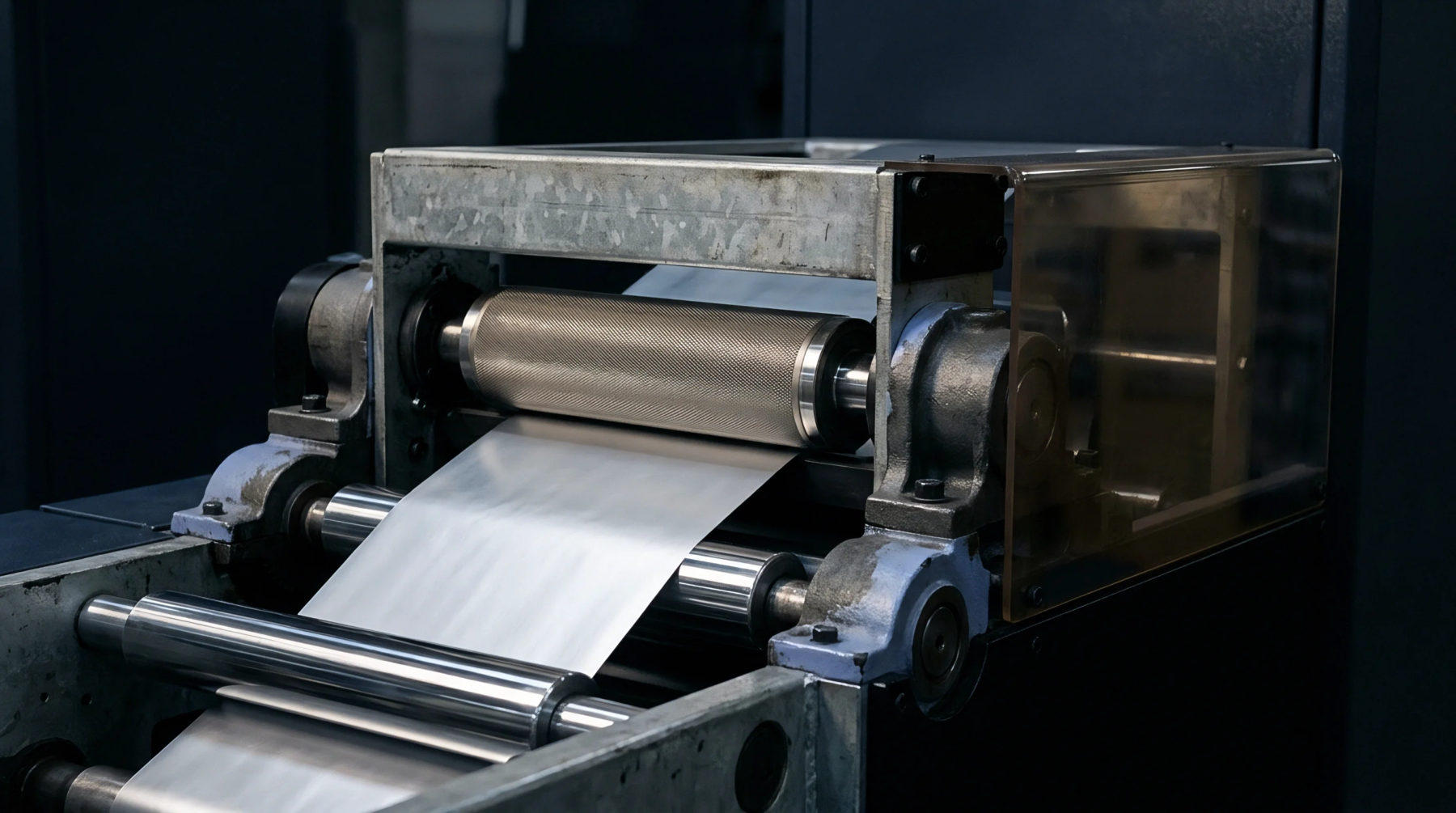
Calender stacks then compress the coated sheet under high pressure and controlled temperature to establish uniform caliper and gloss levels across the entire reel width.
Coating Adhesion
Chemical binders such as styrene butadiene latex lock mineral particles to the cellulose foundation during high speed offset printing operations. Water resistance depends heavily on the ratio between synthetic polymers and natural starches inside the pigment formulation, preventing pigment picking when tacky inks detach from rubber blankets. Press operators monitor surface strength values through standard wax pick tests to verify that the coating layer withstands the hydrodynamic pull of viscous lithographic inks.
Environmental Claim
Paper mills acquire chain of custody verification from forestry stewardship organizations to confirm that raw pulping materials originate from sustainably managed timberlands rather than protected ancient forests. Recyclability remains high because repulping facilities easily separate water soluble coating minerals from cellulose fibres during standard deinking sequences. Final packaging designers select specific grammages of coated woodfree stock to balance bending stiffness against postal weight thresholds without sacrificing image fidelity on luxury cartons.