Polymer Layer
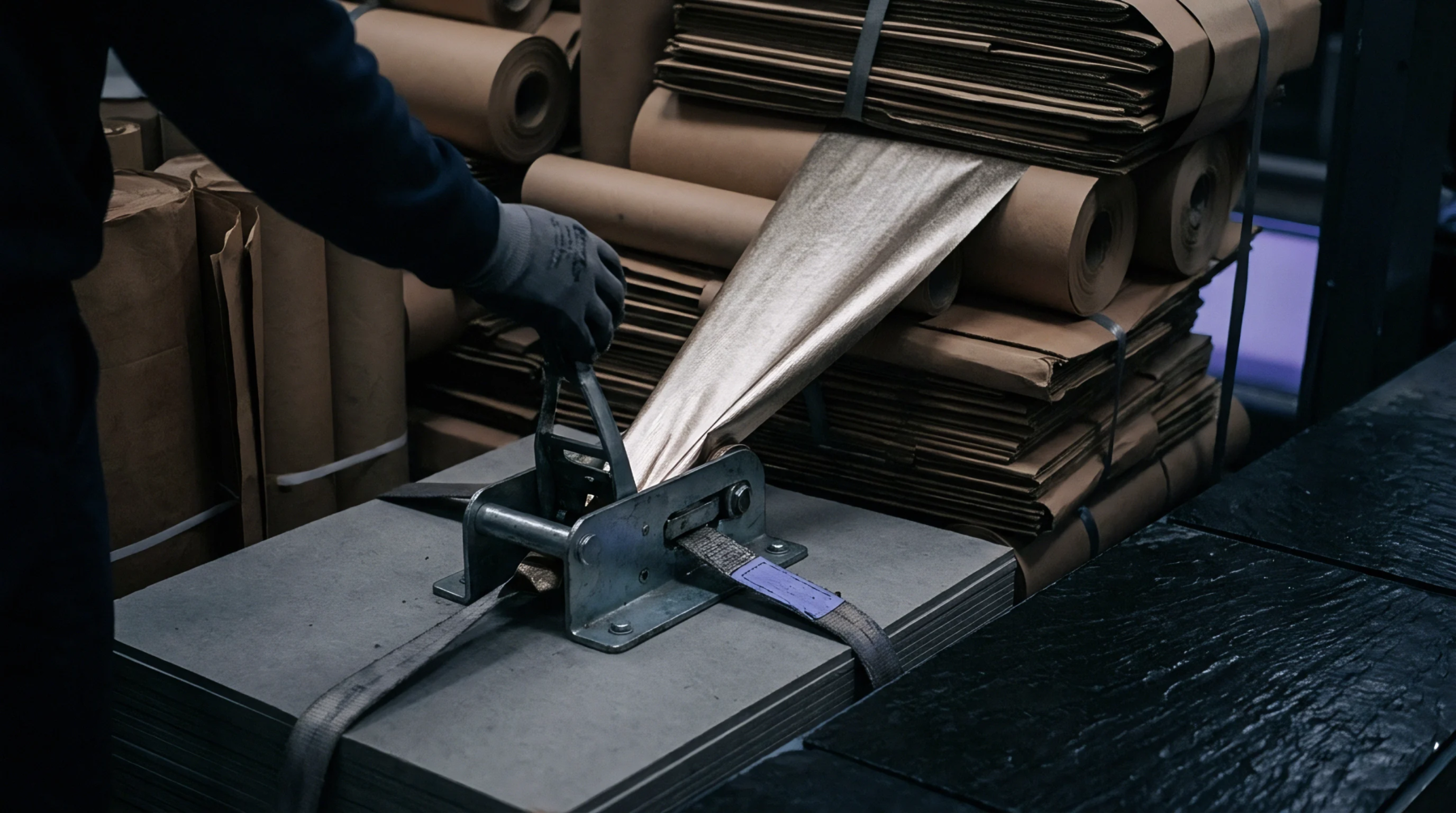
Lamination technology relies on a coextrusion barrier to block moisture vapor and oxygen migration across multi-layer paperboard structures. Extruders combine distinct resin streams into a single die feed, producing continuous multi-phase films directly onto moving cellulose substrates during high-speed converting runs. Ethylene vinyl alcohol and cyclic olefin copolymers serve as typical core functional polymers within these layered webs, maintaining oxygen transmission rates below targeted thresholds for sensitive food packaging formats.
Production lines run at speeds exceeding three hundred meters per minute while maintaining absolute layer thickness uniformity across the web width. Cooling chill rolls instantly solidify the molten extrudate before winding, locking the internal functional geometry into the finished packaging stock.
Permeation Kinetics
Molecular diffusion rates dictate the functional longevity of paper-based protective packaging subjected to varying ambient humidity levels. Hydrophilic resin components absorb atmospheric moisture, which swells the interstitial spaces within the polymer matrix and increases gas transmission rates across the barrier sheet. Temperature fluctuations accelerate molecular vibration, doubling permeation rates for specific gases with every ten degree rise within the standard storage range.
Converting plants measure these migration vectors using coulometric sensors to verify compliance with strict shelf-life requirements demanded by pharmaceutical and dry food brands.
Conversion Tolerances
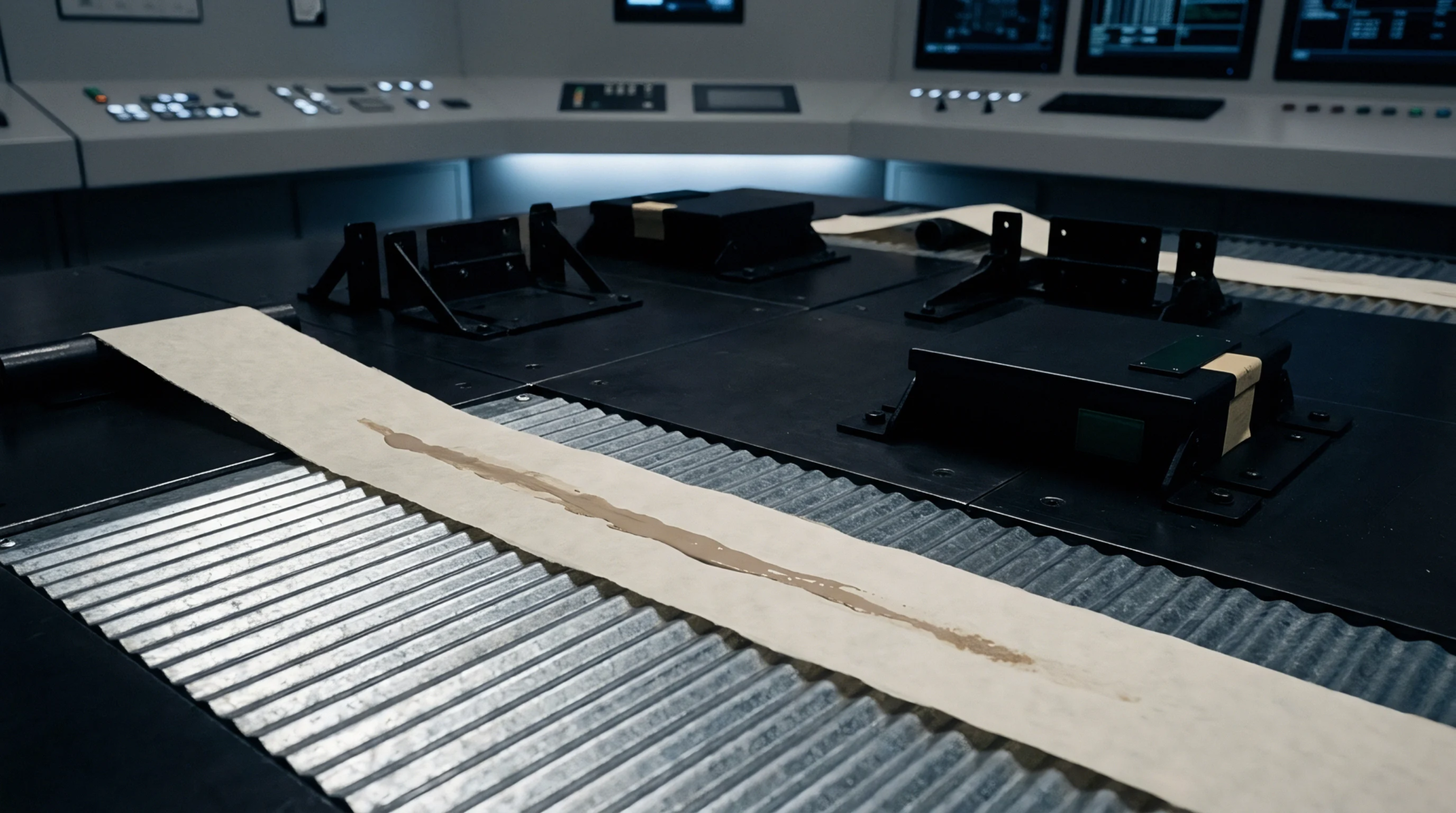
Die temperature stability directly dictates thickness uniformity across the coextrusion barrier, preventing thin spots that cause premature packaging failure. Melt fracture occurs when shear stress at the die lip exceeds critical limits, producing surface defects that compromise pinhole-free integrity on barrier webs. Extrusion operators adjust thermal profiles across individual heating zones to match the varying viscosities of dissimilar polymer streams entering the feedblock.
Precision caliper gauges mounted downstream monitor layer thickness continuously, feeding correction data back to the automated die bolt actuators to maintain tight manufacturing tolerances throughout the entire production run.