Palletization Method
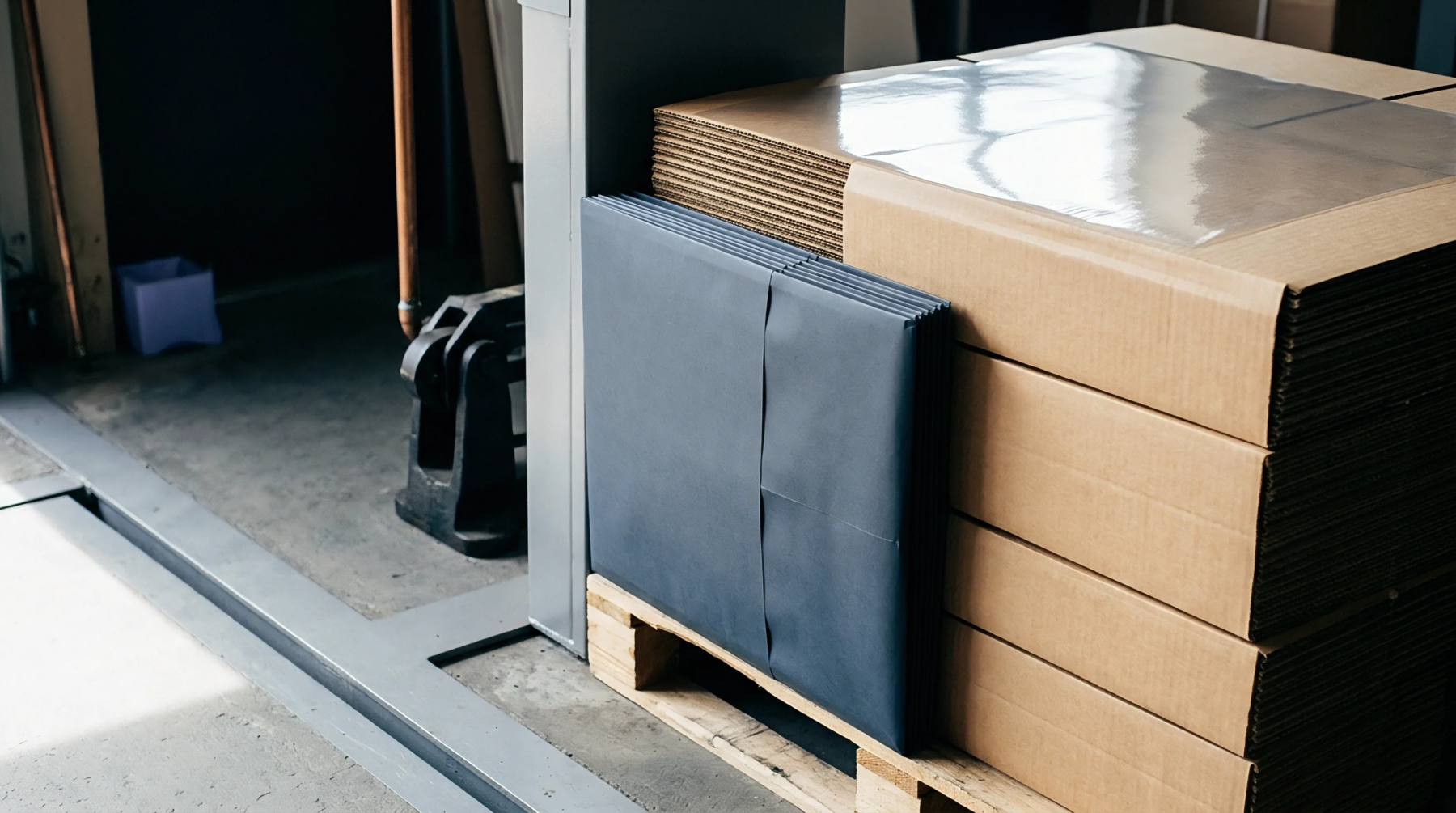
Box arrangement where containers sit directly on top of each other aligns the strongest vertical parts of the packaging to maximize load bearing limits. Warehouses utilize column stacking to optimize vertical space without causing box failure. This alignment places the four corners of each corrugated carton in a straight vertical line throughout the entire pallet height.
By doing so, the configuration utilizes the maximum compression strength of the board.
Structural Mechanics
Compression forces travel straight down the vertical corners of the carton, which bear up to eighty percent of the total weight in a properly aligned stack. When column stacking is maintained, the flutes of the corrugated medium stay vertical and prevent the linerboard from buckling under constant top pressure. This positioning reduces the bending stress on the horizontal faces of the boxes.
It distributes the force evenly through the board.
Load Degradation
Pallet movement and rough handling during transit can shift the cartons out of alignment, which immediately reduces the strength of the unit load. If a box shifts by even twenty millimeters, the compression capacity of the column stacking configuration drops by almost one third because the load is no longer transferred through the corners. This misalignment forces the weaker side panels of the carton to carry the weight of the boxes above.
As a result, the entire stack becomes unstable and can collapse under normal warehouse stresses, causing severe product damage.